Monthly Archives


Negativity is everywhere online, so how do you deal with it?
Today on the WPMRR podcast, Joe and Christie talk about dealing with online haters, proper online moderation, and how webinars are overcrowding digital learning.
Listen in to learn how to deal with haters in a healthy manner!
Joe Howard:
Well, some people I don’t like probably just because they’re easily unlikable. But there are probably also people I don’t care for very much just because we just don’t see eye to eye, and that’s fine. People see differently than me, that’s fine. That’s good. They want to run business differently than me, no problem. Do your thing.
Christie Chirinos:
Hello, WordPress people. Welcome back to the WPMRR WordPress Podcast. I’m Christie.
Joe Howard:
And we are Joe and Mo.
Christie Chirinos:
Ah! And you’re listening to the WordPress business podcast. What’s going on, Joe and Mo?
Joe Howard:
We are good. Yeah, okay. We’re doing video now, so if people want to see Mo and what he looks like, you can watch us on the YouTube channel. He’s like seven-and-a-half months now, so he’s getting big. He, as you can see, looks a little bit like his dad, which everyone seems to think is true. I can’t really argue with them. But yeah, we’re good. Sterling and I are at Lake of the Woods, which is about a two hour drive outside of DC. We’re doing a lake house with my parents and my sister this week, so we’re combining germ pods and all taking it easy at the lake house this week.
Joe Howard:
It’s been good. Trying to get in some work, hanging out with Mo, hanging out with family. Yeah, continuing to get some work done but also relaxing. I’m definitely not working eight hours a day. It’s three hours or four hours and answering emails and being on Slack and helping the team out and stuff. Whoa, he wants to be on the podcast too. But it’s been good.
Christie Chirinos:
That’s so good. That sounds so relaxing.
Joe Howard:
Yes.
Christie Chirinos:
Especially needed right now.
Joe Howard:
Definitely. It’s a nice mental health break, I think. It’s with not being able to travel much these days, it’s nice even to do a little trip out somewhere. So I’m feeling good outside of my usual element of just being home in DC. It can get a little monotonous, especially being stuck at home, so it’s nice to break that cycle a little bit. Yeah, got a nice lake out here, so I’m doing some swimming. Mo’s doing some swimming. Yeah. It’s been good.
Christie Chirinos:
Can you swim, Mo?
Joe Howard:
He’s taking some classes. He took a swim class, which was fun. He enjoys the water. He’s swimming, but it’s just mostly just like throwing him in the water and see what happens. It’s pretty cute though.
Christie Chirinos:
That’s adorable.
Joe Howard:
Yeah. What is new with you?
Christie Chirinos:
Oh, nothing much. I am not out by the lake. I am here in my walk-in closet. But I’m actually really excited about this. I set up a bunch of equipment, lights and things like that in here for some content that we’re recording at Nexcess, some video content and other content. Now I have at least V1 of my little recording/streaming setup going, which feels really great.
Joe Howard:
Yeah, looks good.
Christie Chirinos:
Yeah, yeah. I feel really good about it.
Joe Howard:
You got a nice background and you’ve got, it looks like, a new microphone, which looks great.
Christie Chirinos:
Yeah, yeah. Yeah. I mentioned that I got this new microphone a while ago, actually, but not have it mounted and set up in a permanent space. That feels really good. I’m super excited about that. Yeah. Hopefully I sound good. Hopefully, this microphone helps my voice sound less like this and a little bit more radio. You know?
Joe Howard:
Yeah. There you go. I’m just on the AirPods this week. So sorry, folks, it’s not quite as good audio quality as when I’m home, but it’ll have to do while mobile.
Christie Chirinos:
Oh. Well, I think we all forgive it for the baby cam.
Joe Howard:
Woo-hoo. Baby cam. Yeah, you trade a little audio quality for some video quality.
Christie Chirinos:
Exactly, yeah. But yeah, that’s me. I’m actually working on a ton of content for work, so it very much feels like that-
Joe Howard:
Cool.
Christie Chirinos:
… is the anchor of my life this week because content’s hard. And it’s so funny saying that being podcasters, but I really struggle with it, especially in the way that I’m doing it this week where I’m writing a handful of articles for multiples Nexcess properties. I’m making videos for-
Joe Howard:
Cool.
Christie Chirinos:
… the eCommerce master class we’re rolling out. I’m recording a couple podcasts. I did one live stream, so just very sort of content heavy kind of week. It takes so much out of you because it’s like a performance, right?
Joe Howard:
Totally.
Christie Chirinos:
Whereas, the work of mine that is more product management, like managing my partnerships, managing my vendors, talking to customers, calling customers is a lot more task based and almost like a laundry list rather than a show. I think it uses a different part of my capacities, so a lot of my week has been about shifting mindset and getting ready to crank out some ideas from brain to paper.
Joe Howard:
Yeah, cool. Is it content around Nexcess features rolling out or is it more like market… I don’t know, yeah. Is that the focus of the content?
Christie Chirinos:
Yeah. There’s a handful of Nexcess features rolling out that I’m working on content for. We are going through an organization, sort of the sales and marketing organization, so we want to make sure that when this new structure goes live that the first thing they do is go through a product retraining. So working on a whole bunch of that kind of stuff fell on me. My team divides work and different projects, they’ve been assigned to different people. That tends to be something that I love and I’m very good at is being the face of getting everybody to rah-rah behind a certain situation, but it does mean, like I said, it’s just a different mindset. It’s front lines work as opposed to behind the scenes-
Joe Howard:
Totally.
Christie Chirinos:
… sneaky product manager work. Yeah. We’re also doing, like I said, that eCommerce master class. That’s being spearheaded by Mendel Kurland, who’s on my team. So yeah, we’re just creating a ton of content right now, and I very much feels like a sort of sprint.
Joe Howard:
Yeah. I totally get that. I get the feeling the zapping of energy because you feel like you’re always on. You’re always in front of your audience, so you have to always be on. I’m doing a webinar for GoDaddy this afternoon on a lot of the tools we use, so I’m doing this podcast today and getting ready for that. So I’m feeling also like, “Okay, it’s going to be like a performance every day.” But we’re similarly doing a lot of content right now. We’ve got the new YouTube channel with a bunch of tutorials going out.
Joe Howard:
We’re starting… We haven’t really decided what it’s going to be called, but it’s like weekly round table or meetup. It’s kind of webinar-ish but also kind of WordPress community hangout-esque, so throwing a lot of that out there. We continue to push forward on written content. We’re doing a lot more ebooks. So we’re kind of in that same boat, and it’s a lot. It’s a lot to manage, and it’s a lot to do well at scale. I’m sure at Nexcess it’s a whole nother level of stuff. But yeah, I get where you’re coming from with that, feeling like you’re always on.
Christie Chirinos:
Yeah. I’ve definitely had that feeling this week.
Joe Howard:
Well, take a breezy. Take a breezy. Take some breaks. Take some deep breaths.
Christie Chirinos:
Mo’s shaking his head. Mo’s like, “Do not take breaks.”
Joe Howard:
No breaks. We don’t need no breaks.
Christie Chirinos:
No breaks.
Joe Howard:
No stinking breaks.
Christie Chirinos:
He’s loving…
Joe Howard:
Yes. He’s reached this age of being extremely active, so he’s started doing a lot of rolling over. He’s very vocal. He’s started to eat solids and everything. So a lot’s happening over here as you can see. Cool. All right.
Christie Chirinos:
Cool, cool, cool.
Joe Howard:
So updates done. I’m glad you’re doing well.
Christie Chirinos:
Well-
Joe Howard:
Glad Austin is good.
Christie Chirinos:
Austin, oh my gosh, yeah. We can back up for a second. Austin is so great. I mean, I’m sure that it’s going to be greater when things are open again and when the world goes back to normal and our lives, but for now I mean, I can tell you that if I have to choose between living in a 400-square-foot studio apartment in downtown DC during a global pandemic where I can’t leave or an 850-square-foot one-bedroom apartment with a giant recording booth in my walk-in closet and a lap pool and then another pool and also a boardwalk trail 10 minutes away, I can tell you which one I would choose. You know?
Joe Howard:
Yep. I think a lot of people are starting to think like that. I saw an article. I can’t remember if it was… It was either Washington Post or Wall Street Journal or New York Times, but it was talking about people living in cities being like, “Why do we live in cities?” Why do we really live in cities? The density of human beings, there’s a positive to it. There’s a lot of studies around the more people who are around, the more innovation happens.
Christie Chirinos:
Network effects.
Joe Howard:
There’s just a bigger footprint. Right. But there’s also obviously negatives like density obviously leads to bad things happening like during these times. So people are, including myself, starting to think like, “DC’s great. I love this city, but do I really need to live there? Can I not live somewhere I can have a little bit more space or a little bit just different positives than necessarily the positives I get from living in a city?” I get that and it sounds like Austin has been a good change for you.
Christie Chirinos:
I know the article you’re talking about, and we can talk about that article for a minute right here and do a quick COVID update.
Joe Howard:
Sure.
Christie Chirinos:
Because I actually thought that article was really silly when it came out, and I still do.
Joe Howard:
Okay. Because I just read the title, and I didn’t actually read the article. But I thought about it, and I was like, “Oh, that’s an interesting idea.” I don’t think differently, but tell me why. You read it, so you’re a better person to talk to about what was actually in the article. So why’d you think it was silly?
Christie Chirinos:
Yeah. Essentially, what you said was what was in the article. It was just questioning the way that COVID was going to change our perspective on where we should live and how. The thing is I know exactly why I like living in large, dense urban areas, and I still do. It’s everything that you said. It’s the proximity to other people. It’s the network effects, the water cooler effects, the innovation, the many things there are to do, the diversity.
Christie Chirinos:
I very much enjoy a small studio where the outside street is my living room, where that’s where I go to experience life and to be with people I love and whatever. Then I go back inside and I retreat to my small space. I see that and that’s something that I really appreciate and love about places like DC. I lived in New York for a few years.
Joe Howard:
Totally.
Christie Chirinos:
For me, this move to Austin makes sense because that kind of life isn’t coming back any time soon. That’s an important distinction, I think. Because when I read the article, I was like, “Well, this is silly because this pandemic thing will blow over in three months once we get it under control and then I’ll go back to my life. And no, I’m not moving away from the city just because I can with my remote job.” But six months later that perspective really changed simply because we don’t know that that’s going to come back soon. We’re looking at 12 additional months, 18 additional months.
Joe Howard:
Yeah. People are starting to say, “Vaccine in fall of 2021.” And then it has to roll out, and so it’s like, well, it really could be the new normal for the next few years realistically, right?
Christie Chirinos:
Exactly. So effectively, what has happened to my physical space is I’ve realized that I need an external place to go that isn’t the outside, and that’s almost how my apartment is structured. It’s like there is a divider between the living room and kitchen areas and the more inner, like the closet where I am right now and the bedroom. Then there’s like, I know live in a building with amenities, so there’s the building amenities that are an additional external space that continues to be self-contained, a little bit more safe than being out at a bar during a little pandemic or something. So yeah, that’s the COVID update. I think that our opinions are quickly changing.
Christie Chirinos:
I did the Torque Social Hour last night, so it’s fresh in my mind. We were talking a lot about just the way that WordCamps are going to look different over the next year.
Joe Howard:
Totally.
Christie Chirinos:
The way that-
Joe Howard:
That’s another reason we’re doing a lot more virtual content and virtual meetups and happy hours, which it sounds like you too. I think a lot of people are pushing into doing more digital meetups because this, it’s the new norm. There’s some long-term strategy behind that, right? It’s not like, “I just want to do virtual.” Maybe we do, but also it’s like, well, we may not have WordPress real WordCamps until 2022.
Christie Chirinos:
Exactly. Oh, here’s a controversial question.
Joe Howard:
Ooh, yeah.
Christie Chirinos:
I saw this on Twitter last night at one in the morning, okay. Matt Cromwell tweeted out, “Controversial opinion, the ratio of people making webinars to wanting to attend webinars is probably 10 to one.” Agree or disagree?
Joe Howard:
Say that ratio again because I want to make sure I understand which ratio is which person.
Christie Chirinos:
There are a lot more people making webinars than people who want to attend webinars. Let me not butcher his words. Let me look up the exact tweet so that-
Joe Howard:
That’s okay. I understand the concept. So what Matt’s kind of saying is everyone’s doing webinar online stuff and it’s like we’re all attending each other’s things. But everyone wants to throw an online event, but there aren’t as many people out there who maybe are the attendee types. That ratio is getting closer to one to one, I guess, or I guess he said 10 to one.
Christie Chirinos:
That was exactly his point, yeah. Here, let me read you the exact tweet.
Joe Howard:
Yes. I’ll get it exact verbatim.
Christie Chirinos:
Matt Cromwell, @learnwithmattc, tweeted out, “Controversial opinion, maybe. The ratio of those who want to host a webinar to those who are eager to attend one is roughly 10 to one. If virtual conferences are our future, it’s time to rethink virtual conferences already.” Thoughts?
Joe Howard:
I always agree that it’s time to rethink things. I agree with that second part, definitely. I mean it’s always important. Because look, there are a lot of people that throw virtual conferences and really just use it as a marketing strategy. It’s just like collecting email addresses, right? Let’s just be realistic about that. That’s actually why I was kind of hesitant to start the WPMRR Virtual Summit because I was like, “I want to do this really well… ” Whoa.
Joe Howard:
I want to do this really well. I don’t want it to feel like a markety conference. It’s why Brian Richards is helping and running this conference with us because I wanted it to be like WooSesh or WordSesh, a solid conference. There was a part of me that was feeling like that. But we’re working really hard to make it a really unique, valuable virtual conference, and we’re always thinking of more unique things we can do and ways we can not just do like every other online conference out there. That’s really active in our minds. It’s one of our biggest values that we put together before we put this conference together.
Joe Howard:
So I agree with Matt for sure on that. I think I feel like the first part of what Matt is saying is I think he’s right in the fact… I agree and I kind of disagree. I agree because I think that there’s more people throwing virtual events than ever. There’s a lot of noise out there. There’s just a lot out there. So I think to him it feels like that’s the case, that there are a lot, a lot of people throwing webinars, which there are. But the WordPress space is just so big, there’s always going to be new people coming into WordPress as the market share grows.
Joe Howard:
The market share’s growing so fast. There’s always going to be new people coming in. With every tenth of a percent, it’s tens of thousands of new freelancers coming in, right? Theoretically, that’s how my mind calculates it. Maybe that’s not exact numbers, but that’s how the math works. As everything grows, as the market share grows, more people need to come in to WordPress professional area. That’s how economics works, I think. I think what Matt’s perspective is is from someone who’s really embedded in the WordPress community like us.
Joe Howard:
Of course, we see every single event that comes out, so it feels like there’s so much coming out. But I think there’s a ton of room for more, actually, with so many people. The WordPress community is so big but also so small. There are a lot of people who do WordPress that aren’t part of the WordPress community, and people are always discovering it, I think. I think there’s room for more. What I’m saying is I agree with Matt. I kind of disagree, but I think he’s overall right because I think as we move into every conference being virtual, there’s going to be so much overlap and so much of the same stuff going on that we really need to think about how do we do an online conference different and how do we stand out from the crowd, right?
Joe Howard:
Because being unique is so important, and if everyone is just throwing the same events, then it’s kind of worthless to everybody. I mean not worthless, but it doesn’t add value from a conference someone threw a month ago. That’s why monthly recruiting revenue, MRR subscription-based lessons and talks, that’s what we want to do. Yon is doing agency summit specifically to help agencies scaling. I think picking a good niche is good.
Joe Howard:
Yeah. I just talked for a long time, but I think that Matt, you’re pretty spot on. You’re also just so WordPressy. You’re probably seeing a ton of WordPress stuff come out because you probably see every single WordPress thing that comes out. A lot of WordPress people out there, so I think it’s all good. I don’t know. What do you think?
Christie Chirinos:
That’s a super interesting perspective, and I think that the thing about me that I want everyone in the world to understand is all of my strong opinions are held loosely. I’m very passionate about this thing, but like, I don’t know, I might be wrong, I don’t know, about just absolutely everything. I think that when I read Matt’s tweet, it stood out to me because I was like, “Oh my god, yes. I totally feel like that’s true.” But just now, you presented this idea that yeah, I feel like that’s true because I’m plugged into the ecosystem.
Joe Howard:
Totally.
Christie Chirinos:
I’m seeing every single webinar that every single person is doing, so of course I feel like there’s too many. But the Nexcess marketing team is doing a ton of webinars, and I’ve just been like, “Ugh, why are we doing so many webinars,” even though I’m doing one of them.
Joe Howard:
Yeah, why do so… Totally.
Christie Chirinos:
But you’re right, yeah. The Nexcess audience probably only has maybe about… well, definitely not as many companies as I do in my face throwing webinars, right? They maybe interact with three to four, five vendors that do website-related stuff, and so to them, they’re not being bombarded by everybody’s webinar. The Nexcess webinar probably provides value. I hadn’t considered that point of view of getting out of my own head of being acutely aware of the ecosystem, and I think that’s a really good point.
Joe Howard:
Totally. I totally agree with that. Yeah. We used to do a lot of webinars, and we stopped doing them. They weren’t adding a ton of marketing value for us. We didn’t throw them in a way that was efficient for the marketing we were doing, so it was kind of hit or miss on those. But we have Ally on our team now, so I think she’ll be very good at organizing and doing all that.
Joe Howard:
Yeah, I think there’s also… It gives us a lot of space to be able to team up, honestly. It’s like, “Oh, you do webinars? We do a podcast. Hey, I can come onto your webinar to talk about, I don’t know, security or maintenance. And you can hop on the podcast and we can put each other in front of each other’s audiences and maybe get some good visibility for each of us. Maybe it throws a couple customers each of our way.”
Joe Howard:
I was just talking with someone from Weglot, and we were talking about as a WordPress ecosystem matures, companies need to do better around being premium and charging more money and growing up from a financial standpoint, which we’ve talked about a lot on the podcast. But I think that part of that is like, okay, how do we get in front of more people? How do we increase our audience? I think that there’s a lot of good work we can do. We don’t have to sacrifice just marketing and just growing our audience for growing our audience’s sake just to the put low-quality content in front of people. We can do both.
Joe Howard:
But I think to Matt’s point for Matt’s tweet, that’s super important for us to continue to think forwardly, not just do the same old thing. I think when we were doing webinars, we were just doing webinars for lead generation, and that’s why it didn’t really work for us because it was like, we didn’t have a unique value proposition for our webinars. It didn’t seem like we were honestly adding enough value, so we stopped doing them. And we’re going to pick them back up in a more community-oriented way. I think that we have a lot more direction in terms of where we want to go with it, and I think that’ll make all the difference.
Joe Howard:
Yeah, to Matt’s point, I think with everything we do, it’s always thinking about how do we make this really good?
Christie Chirinos:
That’s what I was about to say. I don’t think that rule is strictly about webinars. I think it’s about everything, right? That’s because I’m someone who I’m aggressively selective with my attention, especially these days. I cannot be exposed to all the content that’s out there. I would be exhausted.
Joe Howard:
There’s so much. Yeah.
Christie Chirinos:
Yeah. For me, I’m just very, very, very gung-ho on high quality content. So webinars but also podcasts, blogs, I don’t read anybody’s blog. That’s not because I don’t care.
Joe Howard:
Yeah, totally.
Christie Chirinos:
I very much care, but there really has to be a kind of quality level and effort that goes beyond, “Oh, we’re just doing this to check a box,” for it to really capture my attention because there is so much noise and so much content out there across every single industry that it really needs to be something that nobody else is doing or it just does not even stick in my brain. You know?
Joe Howard:
Yeah. Honestly, we didn’t plan to really talk about this today, but I thought this was really cool. You’re on Twitter a lot. I’m on a little bit, but when you see tweets, we should talk about that on the podcast. This was a fun section, like talk about this person’s tweet. I thought that was really cool. I think one last thing I’ll say before we get into whatever, the second main topic of today’s discussion, is I think that people are… To be able to start doing marketing stuff, everyone wants to put out super high quality content, of course, but you have to start somewhere. If starting by doing something good and not great means you started, I think that that’s okay.
Joe Howard:
I don’t want to stop anybody from putting something out in the world that maybe is not the best thing they have ever done. It’s okay. We always improve and get better. But once you’re at the scale of WP Buffs and definitely at the scale of a Liquid Web like Nexcess, expectations will be higher. That’s why we’re going through a lot of content revamps right now and making old content that wasn’t that great way better. I think there’s room to be able to improve, but I don’t want people to feel like just because something’s not great doesn’t mean they shouldn’t put it out there in the world. Make it good and put it up.
Christie Chirinos:
I definitely think that it’s a balance between the volume game and the quality game, right?
Joe Howard:
Yeah.
Christie Chirinos:
Because at the end of the day, you have to have blog posts that try and rank for search terms. That’s never going away, but we are in a continually noisier and noisier internet. And so how do you stand out in a way that makes sense, right? It’s actually funny, we can totally incorporate a Christie reads through tweets section into WPMRR, but I have opinions about them in regards to my own Twitter. I mean people will laugh at me when I say something. I’m like, “My work Twitter.” They’re like, “Your what?” Because my Twitter I think upon first glance is very personal, but to me that’s actually by design.
Christie Chirinos:
Just about the past three years of my career have been driven by Twitter, connecting with people from conferences on Twitter, offered opportunities, jobs, contracts through Twitter DMs. That’s because my Twitter is a work Twitter, but that doesn’t mean that I schedule two weeks of helpful blog posts and content via Buffer. It means that I present my genuine opinion. I share things that I genuinely care about, and I’m kind of myself. I’m a kooky person, and so I let myself-
Joe Howard:
That’s exactly how I describe you to people, “She is just so kooky.”
Christie Chirinos:
And I let myself be authentic on Twitter and share both the good and the bad. It works and it, I think, hopefully stands out above noise. You know?
Joe Howard:
Totally.
Christie Chirinos:
And filters through opportunities for me. I think that’s what your content, your podcast, your webinars, your virtual conferences, your blog posts should all be doing. They should be hitting that point of being unique, of bringing in opportunities that are right for you, and of standing out in a noisy marketplace.
Joe Howard:
Absolutely. I don’t think anybody could look at your Twitter and think it was not authentic. It’s one of the most authentic things online, I think. Yeah. I feel like what you see is what you get. When I talk to you, I’m like, “Well, it’s the same as Twitter.” I feel like you’re not hiding anything. It’s like, you are there.
Christie Chirinos:
The one thing that I’ve gotten in regards to that is like, “Oh, yeah. It’s the same person that’s on Twitter.” I got this a lot at WordCamp Europe, which was really funny, “But you’re a lot shorter than I thought.”
Joe Howard:
You look so tall on video.
Christie Chirinos:
I look so tall on video, and you have such tall energy on Twitter. You’re a lot shorter than I thought you would be.
Joe Howard:
Tall energy, yeah. Yeah, nice. That’s true. Are you sure you’re not six-foot-six, because you should be dunking in the WNBA, I’m pretty sure. Oh, you’re five-foot, I don’t know.
Christie Chirinos:
I’m a very short person. I am five feet tall, yeah.
Joe Howard:
Five feet. Straight five. That’s interesting. I used to teach with someone who was actually five feet tall. She was the high school teacher, but she would go up to these big six-foot-four, 300 pound football players and, oh, they listened to her because she had… I don’t want to… Tall person energy, but that’s nothing against short people. I just mean she had big energy for a small person. That’s what affects people’s mentality towards someone. It’s not just their physical stature but their emotional and intellectual stature, that’s a really important thing. Yeah, you’ve got WNBA dunk-on-them energy, I’m pretty sure.
Christie Chirinos:
All right.
Joe Howard:
All right. Should we dive into the, I don’t know, second piece?
Christie Chirinos:
Yes, yes.
Joe Howard:
Yeah.
Christie Chirinos:
Absolutely.
Joe Howard:
We’re on about 30 minutes, so we may have, I don’t know, 25 or 30 more minutes left. But okay, second thing we wanted to chat about today was, it’s kind of like dealing with haters section or dealing with negative feedback.
Christie Chirinos:
Tell us what kicked it off.
Joe Howard:
Well, what kicked it off is I had this experience, when was it, it was last week sometime. What is today? Today is the 30th, so it was late July. I was just working, and I got a DM on Slack from someone. I think it was in post status or making WordPress. It was a screenshot of a post from a Facebook group that I’m not going to name here on the podcast, but it was a Facebook group of a pretty well-known other WordPress podcast and community. Someone posted in this group a screenshot of an email that we had sent. It’s part of our sequence emails. The person said, “If you’re ever unsure if you’ve used too many emojis in your email, just compare it to this one, which I find unreadable personally.”
Joe Howard:
Okay. I want to talk about this in a way that makes sense because I did not prep a lot of what I was going to talk about before. When it was posted, the email does have a good amount of emojis in it. It’s got like 10 emojis in it, so it does have a lot of emojis in it. It had our company name in it. It didn’t name our company name in the post, but it had it in the screenshot. So it’s a screenshot of our email with a ton of emojis in it. Honestly, the post is not that bad. The post itself is not the issue, was not the issue to me when I saw it. The issue is all of the comments underneath because this is a Facebook group of 3,000 people.
Joe Howard:
This is why I don’t use Facebook very much. I made a big, long comment on it when I saw the replies to it. I made a big, long comment. Well, okay. What happened was it got posted. I got the screenshot sent to me. I was told where it was. I applied to be part of that group. I had to request to join. The person who made the original post accepted me an hour later and commented my name on the post so I knew where it was. Then I read through all the stuff, and I was reading through comments.
Joe Howard:
To go back to my point I was making, this is why I’m not super active on Facebook because I feel like it’s a pretty toxic environment of… I felt like the person who posted this was… It didn’t seem malicious. It was just like, yeah, there are a lot of emojis in this email, ha-ha, too many. Then when someone sees a post like that, I think Facebook tricks people’s brains into being like, “Yeah, pile onto this. Yeah, exactly.” Just a lot of, I don’t know, not nice or polite comments on it. Yeah.
Joe Howard:
That’s what happened, I mean, I don’t know, I could read some of the comments. I don’t even feel like I need to read them verbatim. Two or three positive comments, but 30 like, wow, this sucks. Yeah. I think that from my perspective, I was like, I don’t really care at this point. I said in my comments, “If this was two or three years ago, I probably would’ve cared a lot.” Because I don’t know, I probably wasn’t as mature, and I would’ve taken it personally. Because it’s my business, so of course, I take that kind of stuff personally. Today I don’t really give a shit. It’s okay, this happens, move on. If I see anybody who commented on this post at WordCamp in 2022, I will give you a hug.
Joe Howard:
I’m not taking it personally, but I thought that it was, I don’t know. I didn’t like that someone posted my company without blurring out my company name and just putting it out there when I wasn’t in the Facebook group to make a comment on it. I actually would’ve appreciated if that person had reached out to me and said, “I’m posting this to 3,000 people.” Also, it’s pretty easy to blur out my name. That would’ve been much more kosher to me. You don’t need to call out my company and do that kind of stuff, so to me it was a respect issue. But yeah, I can read my direct response to it. I feel like it was like 500 words, so it’s kind of long.
Joe Howard:
I don’t know if I necessarily need to do that, but I’d love to hear what you think about that and if you’ve ever experienced something like this happening to you. Maybe at Liquid Web and Nexcess that’s a bigger scale. I’m sure you get haters all the time. You’re just at the big of a scale that someone’s always going to be saying something. “Ah, this wasn’t that great,” blah, blah, blah. But maybe at Caldera where it was your company, did you ever receive hate stuff like this or just negative attention? I don’t know. How did you deal with it?
Christie Chirinos:
I have so many thoughts on this, but first of all, I want to start with I’m so sorry that happened. That is so crappy, and I’m sorry to anyone listening to this currently thinking to themselves about the one time this happened to you. I am also sorry because it sucks. It’s such a crappy feeling. I think that a lot of it comes down to courage behind the keyboard. Because people who engage in this kind of toxicity, the reality is they would never come up to you in face, in person with their body in front of you and say, “Your email’s got too many emojis, ugh.” You know? That’s 100% a courage behind the keyboard kind of thing.
Joe Howard:
Yeah. I’m sorry. To be clear, I actually appreciated the feedback. I like when I get real feedback. Because it’s true, when someone’s right in front of you, they don’t want to give you negative feedback, so you rarely get real negative feedback. I just want to be clear, I actually appreciated the feedback. I like to know what people think about my emails even if it’s negative because it makes me think, do I want to change it or was it just a bullshit opinion? I don’t know, but it gives me something to think about. I don’t want to make people think that I didn’t appreciate the feedback. I said that in my comment, feedback great, it’s just the way that it was presented and the way that people think on Facebook. It just turned something that wasn’t that bad into this snowball effect of negativity.
Christie Chirinos:
Yeah, the pile on.
Joe Howard:
It’s like, well, now I’m thinking about it and it doesn’t bring any positivity to anybody at the end of the day. Yeah, but go on. Sorry to interrupt.
Christie Chirinos:
Yeah. That makes sense, though, right? I think, like you said, it wasn’t the emojis in the email comment. It was the posting to a public forum with your name on it and 30 people being like, “This is stupid.” Again, that’s also just keyboard courage, right?
Joe Howard:
Keyboard courage, I like that. Right
Christie Chirinos:
Because that wouldn’t happen in a face-to-face context. I have never understood the impulse to be mean on the internet. This is the flip side of there’s so much content that I’m selective with my attention about what I read. It’s not that I don’t care, but it’s that I want high quality content. There is no way if I can’t even get through all the stuff I’m interested in, I can’t get through the stuff that I don’t like. Just move on. That has always been my approach, but it’s not the case for a lot of people. I’ve known that. Negative attention on the internet is part of my DNA at this point.
Joe Howard:
What, your controversial comments on Twitter get you controversial feedback? What?
Christie Chirinos:
So funny enough, I think that I have gotten to a point where I have filtered out my feed and the access that other people have to me to a point where I don’t even see the crap, but it took me a long time to get there. This kind of stuff used to affect me a lot, and it’s because I’ve been online for a long time. I’ve been publishing my things to the internet for even longer than I’ve been working with WordPress.
Christie Chirinos:
A lot of the time I tell stories about the way that I was publishing my… Oh, good. Publishing music to the internet when I was a teenager, the way that I was publishing blog posts and ideas and photos to social media and to original micro-blogging platforms for a long time. I’ve been all over everything. I remember watching grown-ass men, grown-ass men criticizing my music when I was 14 on Yahoo Answers or whatever.
Joe Howard:
No.
Christie Chirinos:
Yeah, yeah.
Joe Howard:
Oh my god.
Christie Chirinos:
That’s just how it goes.
Joe Howard:
Cringe.
Christie Chirinos:
It’s like, look, you are out here criticizing a 14-year-old’s music on Pure Volume, and I hope you find peace.
Joe Howard:
Yeah.
Christie Chirinos:
I hope you find peace, my dear.
Joe Howard:
I don’t know if this is the way, but I hope you do.
Christie Chirinos:
I got so used to it so early on, and then I definitely think there’s a sexism component to it too. I think that’s maybe beyond the scope of what we’re talking about because we want to talk about how to deal with it.
Joe Howard:
It’s within it. There are people out there who experience things like you do, so for sure I think it’s within the scope.
Christie Chirinos:
Right. I definitely think that there was a component of it to that. I think that’s why I’ve been exposed to it so much more. You know what I mean? But that just means that I’ve gotten good at it. I’ve learned to figure out how to roll it off my back. I’m very passionate about not only being selective to where you put your attention, but who gets access to you and why.
Joe Howard:
Yes, yes. So important because we only have so much time and bandwidth-
Christie Chirinos:
Absolutely.
Joe Howard:
… if you try to talk with everybody. It’s important to be able to say no, to be able to control your time and your schedule. Because it’s like what you were saying about controlling that, it’s like when I think about wanting to be physically healthy. You want to eat healthy food to be physically healthy. It’s the exact, exact same thing with mental health as physical health, right? Mental health, you do the same thing with content. If you read every pice of crap content out there, it’s a crap mental diet. Your brain, that same, your brain and body. I totally agree with that and finding strategies and ways to make sure that you are in control of who you talk to and your time is super important. I love that idea.
Christie Chirinos:
Right. There’s a general understanding that people on the internet, I don’t know what about the internet makes people say things that they just wouldn’t. But oh my gosh, I remember being in college and being featured in this bicycle commuting article and just all the comments on the article were so mean. I was just like-
Joe Howard:
What were they about? What could they be mean about?
Christie Chirinos:
It was like a lot of them-
Joe Howard:
She can’t ride a bike.
Christie Chirinos:
A lot of them were focusing on during the photos that the photographer took I had a bruise on my knee, and that quickly became a very sexually inappropriate-
Joe Howard:
A hot topic. That’s crazy.
Christie Chirinos:
Yeah. I mean, I don’t know. It’s like a part of my DNA at this point. Then when I started working on Caldera and I particularly had lots of exposure within the WordPress niche, I mean some of the emails that we got were absolutely remarkable. For a little while, the listeners are going to love this, I had a male name account on Help Scout to escalate tickets to myself in the case that I got an email that was like, “I want to talk to Josh. You don’t know what you’re talking about,” whatever. Or, “I want this to be escalated to your manager because whatever.”
Joe Howard:
That’s smart.
Christie Chirinos:
Because I got that frequently, frequently, “I want this to be escalated to your manager, dear.” I had lots of dear in the emails.
Joe Howard:
So condescending.
Christie Chirinos:
Things like that, yeah. Yeah, yeah, yeah. Just why, because my name is Christie. It’s such a cute name. It’s not even a cool, gender-neutral name like Alex or something. No, I don’t know. It’s just Christie. So I came up with strategies to work around it, but some were spectacularly bad. I remember there was this one time that it was the very similar situation where several people reached out to me privately in DMs with a screenshot and were like, “Don’t listen to this person. This is not who you are. You’re so much more than this.”
Christie Chirinos:
I was like, “What is even going on at this point?” I go, “Look… ” It’s this wordpress.org group. It’s still live. I wouldn’t know how to find it, but I’m pretty sure it’s still out there. It’s just like this 500-word review of why Caldera Forms is terrible ever since I started working with Josh and how now all the company cares about it money and I’m this profiteering, useless bitch who this and this and this and that. It was just like, “Oh my god.” Maybe it’s gone now because it might’ve gotten taken down for violating community guidelines. I think that actually may have happened.
Christie Chirinos:
One of my favorite people that I have a great relationship with in the WordPress community is Jan. Jan is one of the community moderators, and the way that our relationship developed is he realized that I was getting exposed to a lot, to an unusual amount of abuse on the community forums.
Joe Howard:
Oh, man.
Christie Chirinos:
Right. I remember the first time I met him in person after years of interacting online and just monitoring the forums for inappropriate content and fake accounts and things like that. I just gave this man a huge hug, and I was like, “You’re one of my favorite people.”
Joe Howard:
Totally. When someone has your back and stuff like that, it sticks with you.
Christie Chirinos:
Yeah. To go back to the original question, it’s in my DNA, and I have come up with a lot of ways both internal and external to deal with it. Internal, one of the big ones is realizing that people say things on the internet they wouldn’t say in person. Practicing acceptance with that, seeing the way that other things affect the propensity to receive negative feedback. That’s why I mentioned the sexism. And then there’s also internal ones, leaning upon the help of the people who send us the screenshots and say, “Hey, don’t let this get under your skin.” The people like Jan who have your back and make sure that things remain appropriate, above board. Asking for help is really big.
Christie Chirinos:
Yeah, I think at the end of the day it’s kind of like a bank account. It’s very easy for us to fixate on the negative comments, and that’s why it’s really important to remember all the positive ones you’ve gotten so that when you get a negative one, you can lean on the seven positive things you’ve heard. And there’s always, always, always, always, always a component to where’s the truth in this? Feedback is good. Being called a useless, profiteering bitch on the wordpress.org forums maybe is not constructive feedback.
Christie Chirinos:
But even out of that, I can remove myself out of the emotionality of that and think, “Okay. Well, you know, let’s make sure that I’m not alienating some of our Caldera forums free users because that’s not something I want.” Part of the project is to make sure that we’re being really helpful to everybody. When we get negative feedback on Nexcess and the platforms, and yes, you’re right, we get that all the time. We’re just operating at a scale where that’s always going to happen. I mean we have a team that deals with it. I’m not on that team. You know what I mean? But even-
Joe Howard:
Wow, a whole team to deal with it. We are at that point now where we get it pretty frequently also just because of the scale we’re at, but I’m looking forward to having a team for that.
Christie Chirinos:
It’s pretty great. It’s pretty great, especially compared to my previous experiences, right?
Joe Howard:
Yeah, reputation management team, kind of.
Christie Chirinos:
Yeah, exactly. Even when we look at the not so positive feedback, digging through the haystack to see where the opportunity for improvement is or even the opportunity for messaging improvement or whatever can be a really helpful exercise. But that’s definitely level three. Level one I think is accepting and letting it roll off your back. Because I think what I see a lot is I see especially newer entrepreneurs or maybe even existing entrepreneurs but people who just do not have negative attention online embedded into their DNA the way I do get really upset about it and post about it and even amplify the negative feedback about themselves through being so upset about it. That’s okay.
Christie Chirinos:
I think catharsis is really important, and I think the first round of reaching out to your community and asking for help and support to fill up that bank is super important. But then there’s a point at which you have got to let it go or else all your energy is going to go into that and not into the things you want.
Joe Howard:
Yeah. It’s a good point. I was pretty much like, yes, to everything you just said. I have a few things I also want to touch on. I did an episode with Jason Coleman from Paid Memberships Pro. It was just a year ago, so I forget what episode it was. It was like 30 or 40 or something, but it was about dealing with haters, specifically in the WordPress forums and running a plugin company. That’s a good resource for people too, like how to deal with one-star reviews there. That’d be a good resource. I think it has a lot of valuable lessons there.
Joe Howard:
For the feedback stuff you’re talking about, I think it’s really important to separate the good feedback from the bullshit feedback. You want to create systems in what you’re doing to gather more good feedback. So okay, for example, this new podcast recording software we’re using, Riverside, and with all the software we use, honestly, I get a lot of feedback. It’s always very respectful and positive, and I give a lot of feedback.
Joe Howard:
For them, I was like, “It would be cool if you had a Calendly integration. I use Calendly. You should know that. That’d be cool if other people need it, obviously. You can’t just build it for me. But just so you have it, add it to your feedback log because I actually want to help them get better. I think there’s definitely a right way to give feedback and a wrong way. This posting it on Facebook group is not constructive. It doesn’t help anybody really. It’s honestly not helpful to anybody, I don’t think.
Joe Howard:
I think people should be more cognizant online about how they’re giving feedback to people, and companies should be building stuff out to gather more positive feedback like that. This probably wouldn’t have helped in this case for us because it just got posted somewhere, but it’s just something I think to think about. I feel like part of me when I saw the posts go up, there’s this quote out there and I forget the exact quote. The gist of it is pretty much like, if you’re not doing it, if you’re not in the shoes of that person, then you can’t really comment on the things that they do because you don’t understand.
Joe Howard:
I don’t know how big a lot of those businesses and some of those people who commented built. Maybe some of them are bigger than ours or whatever, do great work too. That’s awesome. Okay, I’d love to hear your feedback. But if you’re letting a tiny little business, you’re not really at my scale, so part of me was like, “Come back and talk to me when you’re ready.” Again, I don’t know any of those commenters, honestly, so I don’t know if that’s the case. But that was my initial upset thought.
Joe Howard:
I think it’s important, you were talking earlier, Christie, about not even allowing this into your time or into the time you spend. To a point, I for sure agree with that. I 90% agree with that because I almost never read the comments. I don’t know. I just keep going. I know what’s good. I know what’s not good. It’s fine and this is not even that big of a deal. But I posted my reply to this and it was a pretty long reply. I got a bunch of, “Oh, this is a really good reply. Thank you for posting this.”
Joe Howard:
But the one that stuck out to me was someone who said… Okay, this is exactly what they said. I’m reading verbatim. “Good response. I’m sure this wasn’t pleasant to come across. I tend to use a lot of emojis to support my point/intention at times. I also refrain from posting, commenting, and heck, building our email list more because of the fear of responses sort of like this. I’m self-conscious in real life and online too, I guess.” That was the reply that someone said to me.
Joe Howard:
I usually don’t read the comments. I usually don’t really care about stuff like this, but when I do care about stuff like this, it’s because it was in a public enough forum that a lot of people were seeing it and commenting on it. I think it’s important for me to reply to something like that or someone from WPM to reply to something like that and stand up to that kind of behavior because there are 50 other people in that Facebook group that think the same as that commenter did, like I get nervous about that stuff. Seeing us stand up to folks when we’re like, “That’s bullshit. Come on. What the fuck?” That gives them power to be able to do the same thing. So I think there’s power in calling people out on stuff like this, especially when it’s not just my emotions.
Joe Howard:
If it was just me, I’d be like, “Whatever.” I literally wouldn’t have replied. But to me there’s importance of as a community, we have to stand up to this stuff. If one person does it, it empowers a hundred other people to do it. So hopefully, some other people saw my reply. I got 20 or something reactions and thumbs up for my reply, so I think it got positive response. The person who DM’d me was like, “I don’t agree with this opinion. I think your emojis are great,” but obviously some people…
Christie Chirinos:
I think your emojis are great, by the way.
Joe Howard:
Thank you, thank you. A lot of people like them. We actually get replies from a lot of emails like, “I love your emojis. Thank you.” I actually got the idea from Ahmad Awais. He uses a lot of emojis in his writing.
Christie Chirinos:
Yeah, yeah.
Joe Howard:
Probably better than we do, but it’s really interactive and fun. So I was like, “We want to do that.” Anyway, those are some of my thoughts. Yeah, that’s all. Keep being thoughtful about what you’re posting online. I think before you just pile on, what do you really thing? Don’t just post what everyone else is posting. It’s important to not get carried away, which definitely what happened in this post.
Christie Chirinos:
Tying the last knot with the diversity knot, I think that we hear a lot of stories about women who receive this higher concentration of negative attention online that they just give up. I don’t know. That sucks. That’s so terrible. There’s a lot of power, yeah, in saying, “Hey, maybe focus your attention on the things you love and not the things you hate and we’d get a more positive, diverse, productive ecosystem all across the board where not only the fittest and loudest women can survive because any others will just get sunk.” That’s not fair.
Joe Howard:
Yeah, totally. I think there’s also something to be said about proper moderation online. Part of my comment on that thread was like… Here, I’ll just read that section of it because I think it pertains to what you were saying, which was, let’s see. Okay. This group has rules, and I said, “I read through the group rules, and 6A says, be kind to each other, which seems pretty straightforward. I think this started out pretty lighthearted,” meaning this post. “I think it started pretty lighthearted, but there were a few commenters who probably toed the line.”
Joe Howard:
I won’t read all that, but I wanted to read that because I think that you have to set up a community with intent. You can’t just forget that intent once it grows and it’s becoming successful. It’s 3,000 people in this group, cool. Then it’s even more important to remember your group rules. I think that it’s true what you were saying, we need to protect each other. A group of people, when you put a bunch of people together, things get crazy. That’s just human nature. It’s like you put 3,000 of any kind of people together, woo, 3,000 people, let’s party. But that’s the job of the moderator to moderate your community.
Joe Howard:
I should probably say, this is the only experience I’ve had with this community. It’s probably a great community. I have no reason to believe that at scale if you look at a hundred posts, it’s great. I just had one bad experience, so I would never say, “This is not a good community,” or anything like that. I think it’s probably a good one. Everything I’ve seen has been good. I just had one bad experience, but that’s important. As communities grow, moderators and the leaders of those communities have even more responsibility to protect women, to protect companies, to protect people and their emotional integrity. It’s something that I think is important for everybody as they’re growing a community to think about from day one because it’s always going to be more and more important as the community grows. It only gets more important.
Christie Chirinos:
I think the interesting note there is you might not think that you’re protecting women by protecting men from negative attention, but you are. Because if you say something about that, you’re preventing three other pieces of feedback that maybe are more private or more subtle. Because if you don’t get away with one thing, you don’t get away with seven things. I think that’s an important consideration. I think a lot of people are watching, more people than we realize. How much stuff do you lurk on a daily basis? I lurk a lot of stuff on a daily basis.
Joe Howard:
Most users are lurkers in most things.
Christie Chirinos:
I am such a lurker just all over the place.
Joe Howard:
Me, too. Yeah. I’m not on social that much, but when I am, it’s usually because I’m just seeing what’s going on.
Christie Chirinos:
Yeah. All right. Well, I think that’s our note on haters.
Joe Howard:
That’s a lot on haters. I think a lot of your advice was really good though, like staying positive, surrounding yourself with positive people. We’ll tell you, both of us, from companies that we’re at a bigger scale than your average small business, and obviously Liquid Web Nexcess is a pretty big scale. As you grow, you’re going to receive more haters. You are. You’re going to have more trolls. You’re going to have more haters. You’re going to have more people asking you for back links to their web. It’s all going to increase.
Joe Howard:
Surrounding yourself purposefully with positive people is really important. It’s actually probably one of my joys of doing this podcast, Christie. I love doing the podcast. It’s great, but it’s also an excuse to talk to you every week. It makes my week better to get to chat for an hour. That’s really nice. Yeah, hey, we’re friends. So keep doing that. Be diligent about the team you’re putting together has to be people that are going to bring positivity. The people in the WordPress space you interact with, most people in the WordPress space are great. There are a few people who I don’t really care for very much or who I’ve learned not to care for.
Christie Chirinos:
Name names. I’m just kidding.
Joe Howard:
Yeah, yeah. Who are they? That’s okay. Maybe we’re just… Well, some people I don’t like probably just because they’re easily unlikable. But there are probably also people I don’t care for very much just because we just don’t see eye to eye, and that’s fine. People see differently than me, that’s fine. That’s good. They want to run business differently than me, no problem. Do your thing. But it’s just not my cup of tea. Let those people go. I say, “Okay, you go.” You don’t need them to do well.
Joe Howard:
You need to surround yourself with good people, and as you move forward it’ll keep you moving forward as opposed to trying to get stuck somewhere. I think from what you said, that’s the best way to fight against negative. When negative does happen, you can focus on it, but if you have a lot of positivity around you, that can outshine some of that shadow, I guess.
Christie Chirinos:
I think I’m a very positive person, but I take positivity in a very realistic way if that makes any sense. I love positivity, but I am very comfortable saying that sometimes things just suck. They just suck and they’re bad, and there’s no reason why they are other than just sometimes things are bad. That’s the positivity but also not engaging in a toxic sort of positivity that forces you to be positive all the time.
Christie Chirinos:
I’m a big fan of alternate thoughts that can help frame a situation in a way that’s just easier to accept that it sucks and that it’s just kind of terrible and it’s going to be terrible and move on. When it came to a lot of the Caldera forums type stories that I have so many. We could do a whole nother episode on. Eventually, I developed this motto, I guess, that was just like, but isn’t it so cool that we’re big enough for this to happen.
Joe Howard:
I think that’s important to think about.
Christie Chirinos:
No.
Joe Howard:
You’re right because it’s almost like we’ve had instances where we found people duplicated our whole website. They literally took our site and duplicated it somewhere and tried to sell. It was like, “Okay, that’s literally our website. I get you wanting to do this, but that’s not cool.” It’s not great, but it’s also a sense of like, well, someone wanted to do that. You’re obviously doing something right because someone wanted to, so trying to think about it positively is good.
Joe Howard:
I think about the same thing honestly as this post, Facebook group. It’s like, hey, if we’re out there, if 90% of the stuff is good and 10% is bad, that’s sometimes how it is. The fact that just we’re out there is probably something I should take positively and keep trying to improve. That’s all we’re trying to do, right, get a little bit every day. So, cool.
Christie Chirinos:
And you can take that positive thought with the primarily negative ones, right?
Joe Howard:
Yeah, definitely.
Christie Chirinos:
I think that’s the important thing to me. I think it’s very dismissive, especially for women receiving abuse online, to be like, “Oh, but think about it positively.” No, don’t think about it positively. It’s stupid. It’s terrible. It’s absolutely terrible. Also, isn’t it kind of cool that you’re big enough for this to happen? Isn’t it kind of cool that people think your seven-person company is so large that they could send this kind of abuse and that it would just get filtered through the abuse filter and not go directly to the owner? Aren’t you doing something right?
Christie Chirinos:
And also, this sucks, is inappropriate and should stop, and also here’s just an alternate thought to get you through this kind of blech situation. I think that kind of strategy is super important for just being okay-
Joe Howard:
Totally.
Christie Chirinos:
… and being a healthy human.
Joe Howard:
Agreed. I think yeah, to wrap up, I would just urge people if you have something you don’t like about someone’s company or something that you just don’t think is that great-
Christie Chirinos:
And send it to us instead, yo@wpmrr.com. We’ll read it.
Joe Howard:
We’ll post it in our Facebook group and we’ll hate on those people.
Christie Chirinos:
We’ll read it. You hate this plugin, don’t leave without a review. Just send us how much you hate this plugin in an email.
Joe Howard:
Totally. Honestly, I love feedback if it’s negative. I want to hear it. If someone had the respect to come up to me and say, “Hey, this email’s way to many emojis,” I might not agree with them, but I would really appreciate someone who had the balls to come up and say something to me about that. I don’t feel like I’m a big, mean guy online, like I’m going to hate on someone for coming to me with some negative feedback or something I didn’t like. Just present it respectfully, and we could be friends.
Joe Howard:
I like getting feedback personally, and I think a lot of business owners think like that. So if you’re thinking about this thing’s not that great, well, okay. This company is not perfect, no company is, and they probably want to get better. So let’s help them. Help them to get better by hey, send them a screenshot on the Intercom chat or email their support saying like, “Hey, just saw this.” We get some people email grammar mistakes on our blog, and we’re like, “Oh, we didn’t want to do that. Thank you. Get 25% off some merch and stuff.”
Joe Howard:
Two people commented very positively on emojis in the group and in my comment I said, “We’re going to give you some free merch. Thank you for being bufftastic and not getting drawn into craziness.” We’ll send those people some free swag. I would urge everyone to try and be positive and talk with companies about this. Help them get better. That’s the only way they’re going to get better if they get the feedback and don’t feel shitty because someone said something bad about them.
Joe Howard:
All right, that’s good for today. We’ve been going for an hour. This is a good episode.
Christie Chirinos:
We did several topics in one. That was kind of fun.
Joe Howard:
Yeah, yeah. What are we going to title this episode? I’ll have to figure that out. Cool, all right. If people want to go back and listen to some old episodes, you can do that, a hundred-plus episodes. This will be 106, 107 or something, so lots of old content. People can go back and binge. That’s great. How about questions? Christie, where should people shoot questions?
Christie Chirinos:
If you have questions, you can send them to us at yo@wpmrr.com. I love doing a Q&A episode, so please make me happy and send me questions.
Joe Howard:
Yeah. They are fun. They are fun. We’ll do more Q&A, and now we can do tweet. We can do a tweet analyses as well. That’s fun too. Cool. Oh, and you can also listen to the podcast on YouTube. We’re publishing all future episodes there as well, so go give us… We need some listens and subscribers because we don’t have that many yet because it’s a new channel. So if you want to go and add a new subscriber, that’d be cool. Wpmrr.com…
Christie Chirinos:
… dotcom.
Joe Howard:
… if you want to check out the summit, it’s going to be dope. You heard a pre-roll for it on this episode, so you already know about it. But go register. It’s free. It’s going to be awesome. Christie’s going to talk. What else do you need to know? That’s all. It’s just Christie talking 15 times.
Christie Chirinos:
Just me on all the different topics.
Joe Howard:
Christiemrr.com.
Christie Chirinos:
If you would attend a conference that was just me talking for 15 sessions, tell me at yo@wpmrr.com.
Joe Howard:
There you go. We’d love that. Tweet at Christie, nothing negative, only positive. We’ll be in your podcast players again next Tuesday. Thanks for listening. All right. See you, Christie.
Christie Chirinos:
Bye.
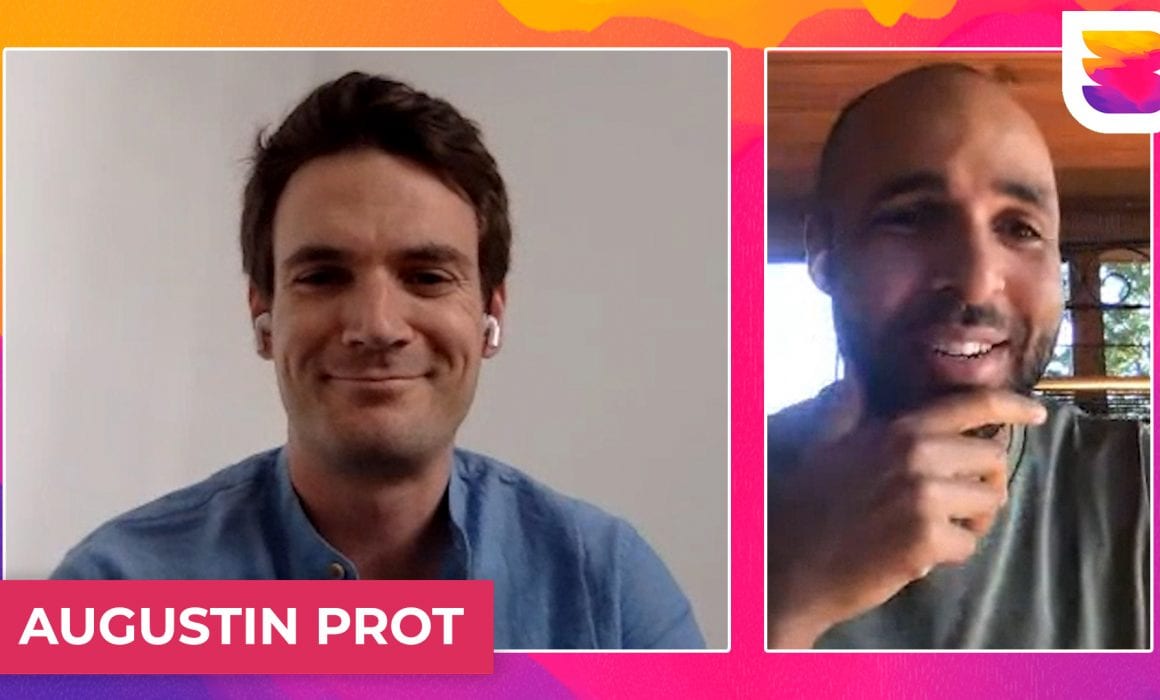
Online translations have sped up research and business growth, now how about paying for a one-stop shop translation plug-in?
Today on the WPMRR podcast, Joe talks to Augustin Prot on co-founding WeGlot into existence, why premium subscriptions should offer more, and how community support adds value to a business service.
Listen to how the translation business has evolved for a broader mass consumption.
Augustin Prot:
At the end of the day, if you’re a big online E-commerce player, you have hundreds of thousands of millions of words. I mean, just you can’t… You don’t have the time to do all manual translation.
Joe Howard:
Hey, hey, good WordPress people, welcome back to the WPMRR WordPress Podcast. I’m Joe.
Augustin Prot:
And I am Obi-Wan Kenobi.
Joe Howard:
Yeah. And you’re listening to the WordPress Business Podcast. We’ve got Obi-Wan on the pod this week. Obi-Wan’s a popular character, obviously. People love Obi-Wan in the Star Wars. Yeah, we’ve Obi-Wan on the podcast this week. What going on, Obi-Wan?
Augustin Prot:
I mean, I’m fine. A bit of quarantine with the COVID. But apart from that, I’m fine.
Joe Howard:
Yeah. Tell me about it. It’s, I think it’s been a tough time, tough time for everyone. Although, I’ve heard a lot of people in the WordPress space, people say, business is going well, everyone’s online, everyone’s doing more WordPress stuff. So things are picking up for me. But it still doesn’t mean it’s not tough for people. It’s a challenging time, I think for everybody in the world right now. But yeah. We’ve got Obi-Wan on the pod this week. Also known as Augustin Prot. Augustin, we met at, I think it was WordCamp Europe last year, right before we started recording. We were like, “Oh, so good to see you.” It’s been a year since we saw each other. But yeah, I think it was WordCamp Europe 2019. Is that right?
Augustin Prot:
Yeah, exactly. We also met at WordCamp US 2019 too, I guess.
Joe Howard:
Oh, we did both.
Augustin Prot:
Maybe no. No. We actually met together at WordCamp US 2019 and you met the other co-founder of WeGlot at WordCamp Europe 2019.
Joe Howard:
Oh, okay. That’s where my brain is short-circuiting a little bit. Cool. I remember seeing you guys at WordCamp Europe because I feel like everybody who has a booth or something, or is doing some sort of promotional for these big WordCamps have swag or they have T-shirts or hoodies. You guys had the hood less sweatshirts, which were super unique and I was like, “Those look really cool.” And WeGlot was really nicely printed on them. I remember being like, “Oh, WeGlot’s got awesome swag.” Yeah. We could take a lesson out of your book because I was kind of basic.
Augustin Prot:
Yeah. We tried to improve our swags over years. I could show you the pens and the pencils we had the first year we did the WordCamp. I mean, there is no shame but it was very off and far beta version of our swags.
Joe Howard:
Yeah. Right on. It’s that, it’s always a journey, right to view? Anything cool you see, you should have seen the five versions before that. It’ll give you some clarity into the work that went into making it really good. But, cool. Yeah. Okay. Augustin, tell folks a little bit about you. About WeGlot. I already blew it. You’re the co-founder of WeGlot. But yeah. Tell folks a little bit more about the company and yourself as part of that.
Augustin Prot:
Yeah, sure. With pleasure. I’m the co-founder of WeGlot. We’re two in this journey. The other co-founder is Rémy who is a more technical guy, I’m more the business guy. WeGlot is actually… it’s a solution to make any website multilingual easily. Basically, you have a website. It’s in English or in French and you want to make it available in other languages, Italian, Spanish and others. You would use WeGlot to do that. So it would help you to translate and to display the translated versions to your end visitors. Right now we have approximately 50,000s users in the world. Yeah, it’s going great. We are 20 people in the team. I mean, it’s an amazing journey. We’re very happy.
Joe Howard:
Yeah. Very cool. So, 50,000 users about. What’s the split between… I don’t know if you do a freemium version or if it’s only premium. Is it part of those free users and part of those paid users?
Augustin Prot:
We do free trial and free version. We have a free trial freemium model. We have approximately 15,000s paying customers and we have 35,000s free customers… users.
Joe Howard:
Yeah. Yeah, cool. That’s a pretty good split. That’s like 30% of your folks who use WeGlot are premium users, which, I’m not a plug-in guy, so I actually don’t know if that’s high or low. But it seems pretty high to me. Like 30% of people use it are paying for it. That sounds pretty good. Because I know a lot of plug-ins I’m sure have a lower percent, 10% are paying and most are free. Cool. Have you been using the freemium model/having a free plug-in and a premium plug-in since the beginning? Or have you changed your business model as things have gone?
Augustin Prot:
No. We changed actually. At the very beginning, we didn’t have a plug-in, we had only a JavaScript library. We would ask people to add the JavaScript snippet in the HTML. At the very beginning again, we used to go to remote working offices. I was asking everyone on the tables, “Do you have a website? Can you add my product and tell me what you do… If you like it or not?” Most of them would reply to me “Yeah. But do you have a WordPress plug-in? I don’t know how to add the JavaScript snippet?” That’s how we went from having a JavaScript library to a WordPress plug-in. And to be on the directory, you need to have a real free version. Before that, we had a free trial and we actually added the free version because it was required to be listed on the directory.
Joe Howard:
Oh, okay. That’s interesting. I feel like that’s something I should know as someone who is deep in the WordPress space. But I don’t know if I ever explicitly knew that. It sounds like, having a free plug-in allows you access to be in the repository. And, although you’re using that probably to bring in mostly free users, it’s also kind of free marketing for you. Like, it allows new users to come in and potentially upgrade in the future, but it’s also… It gives you a huge market for, to find new users from. I guess that’s kinda how it works?
Augustin Prot:
Yeah. It’s an amazing hub of distribution and it’s… you can touch many people. It was great for us to test traction and to test if it actually works… worked initially. And if you were able to make money with it. Yeah, the proof of concept was great things to distribution through the directory. And also, I would say that making the decision to have a free version was a very good thing. I mean, apart from being able to be listed on the directory, because we really try to bring the value very quickly to the user, so we don’t having him getting his credit card or anything else. So having the possibility to use the product for free for very small project, I think it’s in a way it’s… It’s removed the idea of, we only want your money to users that are trying to discover the product.
Joe Howard:
Yeah. Yeah, I totally get that. We… I always feel like we’re trying to do that better because we don’t… Like we’re a services company so we don’t have like a free anything we do because you can’t really do free services. That model doesn’t work for a services company. I think what we try to do and like that equivalent space is, we really try to educate people. We have ton of great blog content. We just started a YouTube channel with tutorials and it’s… At the end of the day these are marketing opportunities for us, but we want to be a marketing opportunity that shows people like, “Hey, you can trust us.” “Hey, we really helped you with these things.” Maybe now you want to work with us. So I totally get that. And I think that that makes a lot of sense. I’ve always-
Augustin Prot:
Even when you look at what’s going on in the software industry… When you look at Slack, at Zoom, at other great services, they have a… It’s a large feature. It’s not just a tricky feature when you only have a 10th of the product. It’s really something that people can use and they can discover, and then they can bring it in their own company or department and it provides value to the rest of the team. And I just find they can convert into a paying customer.
Joe Howard:
Yeah. I think that’s something that people in the WordPress space are very cognizant of, if a free version of a plug-in is, it’s just a free version just to have a free version, but it’s not really useful to people. I’ve heard a lot of people who say… I won’t name any specific plug-ins under that. Definitely some free plug-ins out there that people like complain about like, “This is all just you have to upgrade to do anything useful here.” So I’d be interested to hear from you, how did you walk that fine line, and I’m sure you still are, but how do you find that balance between offering a lot of great things in the free plug-in to make it really valuable for people while also making sure that the business is sustainable and giving people the opportunity to upgrade when something really is going to be that valuable for them? Like, how do you guys figure out what’s going to go in the free version and what goes in the premium paid one?
Augustin Prot:
It’s hard. I think it’s a balance between what we can do and how users and customers responds to what we’re trying to build at their… in terms of line between the free and the paid one. And on the other hand, it’s also a cost issue. I mean, we’re paying based on usage. So, for example, if a website has 10,000 of words and low traffic, we’re not paying the same for website that has one million translated words and high traffic. So, it’s normal that the terminal one would pay more than the first one.
Augustin Prot:
And then, we also, we had the feeling that the key values of WeGlot it’s being able to add WeGlot in minutes, I mean, to make your website machine work in minutes and being able to translate your website, at least if it’s a small one, a landing page for an app, or a small hotel website, you could do that for free. We tried to make it possible for this kind of chore to get the free version. But it’s a very complex line. We iterated a lot and now we have the feeling that we found kind of a balance that’s working.
Joe Howard:
Yeah. Cool. I think a lot of people who are starting off… Like, if someone’s thinking about starting a translation plug-in they’d think that kind of pricing is so complex and what do I include free? What do I include not? And I think it’s important to realize a lot of this comes with experimentation. A lot of the things comes with hearing feedback from customers and no-one’s going to get it right the first time and it’s always going to be an evolution. I’m sure you’re still at the point where you’re kind of thinking about a few features like, “oh, what should go here? What should go here?” It’s a constant journey and it’s going to be for everybody. And so we have free version [inaudible 00:11:52] version.
Joe Howard:
Why did you start a translation plug-in, or is this something that you found a need for, or are you really into translations? Is that part of your backstory? I love to hear why people started businesses in the first place in terms of being in the translation space in this instance.
Augustin Prot:
So, it’s actually not my story. It’s more my co-founder’s story, this one. On my side, I had a financial background. I didn’t know about CSS or HTML before, so it’s really about my co-founder, Rémy. Before WeGlot he did… I mean, he started another startup that was a mix between Google Maps and, for example you know apps where you can buy and sell things to your neighbor or to anyone. So it was a mix between the two of them and he was in charge of the web development. So he did the web app, he did the mobile app, and when he faced really extremely complex challenges, technically speaking, he always found a solution. So for example, when he had to do text messages he used Twilio. When he had to do E-mail he used SendGrid just to be placing a small snippet and it was working. When he had to do payment he did Stripe. And then paying… Doing an online payments gateway, it’s very complex, so having a solution like Stripe, or its competitors, it’s really useful.
Augustin Prot:
And when he had to do translations… He speaks English, he made part of his studies at Columbia, in New York, but the technical complexity behind that was low value, time consuming. He didn’t understand why he couldn’t find just a tool to make it easy to just make your website multilingual, SEO friendly, taking care of URLs, and you just focus on translations. And that’s really how the idea came out. That’s where the frustration, a pain-point he experienced and when he decided to stop the first startup, because he couldn’t… I mean, they didn’t make money, he just say, okay, “I need to build a product that does that.” And I met him at this point, so we started to do sort of the rest of the journey from there.
Joe Howard:
Yeah. I want to dive into that even more because I think that a lot of people like you who are on more of the marketing business development side, everyone’s looking for like a technical co-founder, right? It’s like, I have all these great ideas, but I don’t really know how to build it. I could really use some help there. So I like to dive in a little bit into the… How did you meet your technical co-founder story as maybe like the non technical co-founder. Cause that’s me, I’m a non technical co-founder, and Nick is does everything technical, as does the rest of my team. But in terms of you two meeting, did you meet and then two weeks later start to get to work together? Had you known each other for a little bit before you started working together?
Augustin Prot:
Well, we didn’t know each other before. And actually we met through a friend of mine that used to work for kind of an incubator for startups in France. They were being incubated by this incubator. And so the one then that they would stop the first startup and then they were open to meet other people that can have complimentary skills. And that’s how the idea… That’s how we get to meeting together. And then during the meeting, we kind of described who we were, what we were working on, both of us. And he had a strong pain point, he already had a first prototype and a first user. And I really liked their… Not only the idea because I didn’t know about websites or even SAS, like SendGrid or Twilio, but the way he presented me the issue and the problem he was trying to solve and the way he was building the prototype very customer centric. He was doing things. He was not trying to explain me how to teach me things because he was doing things and I was like, “Okay, if you’re looking for someone else, let me try being the number two.”
Augustin Prot:
So, I tried to find as many users as possible during the next weeks. And then learning from that, trying to… How we distribute, how we do the pressing. The goal was to prove that we could make money. I mean, 10 customers and there is… Then there is a market for that. And we did that without a bank account for the company, without a registered name, nothing, just checking that. And once we reached that 10 or 20 customers and we saw the traction, especially thanks to the WordPress community, we said, “Okay,” so now we do the statements and we register the company and we can focus on the development.
Joe Howard:
Yeah. Cool. I like that all of that came about from an introduction from someone who said, “Hey, you two should meet.” I think a lot of people are like, “Ah, networking, like that sounds so formal and stuff.” And you don’t have to network in the most formal way possible, like shaking hands and trading business cards. But it’s another lesson of that. Like having and knowing some people in the space is important because these big things all WeGlot, it started because there was one introduction and these small little details can blossom into huge things. And they almost always do. Probably most people who’ve done big things, have a few small pieces that are like, “Wow, if that hadn’t happened, who knows what things would have been like today.”
Joe Howard:
Cool. I want to jump into community stuff here in a second, because I’m interested to hear about utilization of the community to help grow your product, the WordPress community specifically. But one thing before we jump into that is, you mentioned previously that WeGlot is able to… One of your values is helping people to be able to set up a multi language website in minutes, which I think is really valuable for a lot of people who don’t necessarily have the time to do all sorts of manual translation and to spend hours doing that or pay expensive rates for people to be able to do that for their whole website. But I think there are also two camps of people. One is automatic and fast and maybe not a 100% correct translation, but then there’s people who are like, “I manually translate everything, I get translators to manually do it because I know it’s going to be correct.” Sounds like WeGlot’s in the promotion of getting websites translated for everyone, even if it’s not 100% correctly translated, but maybe I’m not right about that.
Joe Howard:
I’d love to kinda hear a little bit more about like WeGlot’s perspective on fast translation and how you help people to translate quickly and get the website translated in minutes, but also giving them high quality translations.
Augustin Prot:
Yeah. Thanks for the question. So I think it’s very important to clarify. Yes, so we are not translators, so we are not there to be a translator. We’re there to provide the tool to make it possible to translate the website and to manage [crosstalk 00:19:38]. And so what we do is then we provide a first layer of automatic translations. Like you say. Because I think it’s two reasons. First, automatic translation engines gets, they are so good now. It’s really impressive, Spanish to English, English to Spanish, French also. It’s really impressive. So first the quality of the automatic translation really improved over the last years. Second, it’s pretty good to start with something. So when you install WeGlot you have your first layer of translation, then you can yourself, your team, your in-house translator, you used to work with, you can just edit and validate the translation if you want directly on the WeGlot tool. And last, if you prefer working with professional translators, you can adjust other professional translations directly from the WeGlot tool too.
Augustin Prot:
So the idea is really to give you the resources to build your own workflow, depending on your budget and your constraint and how you want to do that. But at the end of the day, if you’re big online E-commerce player, you have hundreds of thousands of millions of words. You don’t have the time to do all manual translation. So you need to do a balance between maybe the key pages, the key products and the other one that are less important on your website. At least at the very beginning. And then you can improve it over time. That’s a way to build it, but you can have a different workflow. Again, the users create their workflow.
Joe Howard:
Yeah. I like that idea and concept a lot. Of allowing people to create their own workflows. And I like the idea of speeding up translation by starting with an automatic translation and then, instead of having to manually translate everything, you edit a translation and have someone just proofread it, which probably is a lot faster than going through and manually translating all these pages. And the idea of… I know some companies that do manual translations for all their pages, and it seems like a lot of work and it seems very expensive. And I think that it’s also understanding to hear, because technology is getting better, right? In 10 years, think about how good auto translate is going to be, so maybe people don’t need manual translators in 10 years because the error rate will be so so small. I think it’s cool that you’re helping people do that now, because it will only probably continue to gain momentum as time goes on, because again the technology just gets better.
Joe Howard:
Community. Sounds like community has been really important for you to grow WeGlot. It’s important for us here at WP Buffs too. We’re very involved in the community. Community has helped us grow. Significantly. And we’ll always have to be thankful to everybody and continue to give back to the community. But, I’d love to hear from a plug-in developer’s perspective or a plug-in’s perspective, what did you guys do to lean on the WordPress community a little bit to help grow WeGlot? And what kind of… How useful was it in terms of your journey?
Augustin Prot:
Yeah. Maybe I can first talk about the very beginnings because at the very beginning when we knew nothing about WordPress, we discovered that there was a French community. And so we tried to contact people, calling many people. Obviously not everyone answers you, but we had many answers. So, for example, Johnathan from WP Rocket, also Kim from MailPoet. These are two guys that had great plug-in and businesses at this time. They could just ignore us, but they replied and they actually give us advice. It was really useful and helpful, and it was, I don’t know, maybe it’s a kind of way doing business. It’s not just about money, but they were happy to share their experience and advice.
Augustin Prot:
And from there we sponsored our first work in Paris, France. It was very early 2016. That’s when we officially launched WeGlot. And that’s where we met most of the people from the community. And yeah, I mean, they have been very helpful, very welcoming. So, overall it was surprisingly easy to get access to great people into the community, the friends that you meet them. So, thanks for everything. I mean, I think that this first traction could not have happened without that.
Augustin Prot:
So from there we understood two things, that we needed to keep investing into the community because we could learn a lot of thing, and also the power of the community as a way to reach more people for your business. I don’t want to do… Of course there is a part of that that’s marketing when we support WordCamp we expect to be more visible to the community. But I think it’s, we’re trying to do that in a healthy way. So we’re trying to invest our time and money to give back to the community and to make sure there is a fair balance between what you get and what you give to the community. I don’t know if we achieved that, but that’s what we’re for trying to do.
Joe Howard:
Yeah. It’s a hard balance. It’s one that all companies, I think in the WordPress space, are always trying to do. That’s what I want to talk about too, is the balance between giving back to the WordPress community and trying to give back more than you take and leave a place better than you found it. Right? It’s that mentality. But also growing a healthy business and one that is financially healthy and successful. It can be difficult to find that balance sometimes. Right? I’m not gonna lie. There’s sometimes I want to do more marketing stuff. And a lot of times I think that all the marketing and community stuff I do is pretty much in line. All the marketing stuff I want to do is pretty in line with the community stuff, because our values as a company are structured in a way that’s like, we want to help people and that’s how we attract customers. But it can be a challenge. And I know it can be a challenge for other folks too. So in terms of what y’all do at WeGlot, sponsorships sound like one thing. Maybe some other things too?
Augustin Prot:
We’re doing similar things, but we’re doing classic sponsorships to a WordPress WordCamp. I mean, right now there is no WordCamp anymore, but it’s going to come back. Yes, all virtual. And then we’re also doing the same for meetups when it’s possible, for local meetups. What we also love to do is to try to partner with a member of the community, individuals, and rather than going ourself, taking the plane and being there for the WordCamp, we prefer partner with local people. And making them kind of ambassadors of WeGlot for a day or two. Obviously it’s only the case when they like WeGlot, when we have a good feeling between them and us. And I think it’s a way of, it’s a balance. Of course, we hire them. So there is a fee for that on top of our sponsoring. I don’t know, it’s a fair balance between what we give and what we get in some sort of a way to make the community keep growing in a healthy way. I mean, that’s a feeling we have. Maybe I’m wrong, but I think it’s a good way to increase our presence inside the communities.
Joe Howard:
Yeah. I think probably that’s right. And that’s a good way to think about it and the more… Okay if you want to grow more from the community, you have to give more to the community. That seems like the only real equation that’s going to make the community sustainable, is if people aren’t just like taking, taking, taking from the community. Sure, maybe you can take a little bit more from the community, but you have to put in twice as much as you’re taking or three times as much or whatever that number is, but yeah. Yeah.
Augustin Prot:
And that’s why I’m thinking that there is this wave of this trend of no code. So more and more easy things to use, more and more plug-ins and solutions in WordPress, but also outside of WordPress. And so, if you want this to continue and you want WordPress to keep a growing market share, I think we also all need to have more professionalization of some of the service, like what you do, currently. And so it’s also means people getting more from what they do for WordPress. So paying them more for things they do. So it’s also… I think it can make sense. WordPress is attracting more and more money. It has to go somewhere else also into the community and not only through the WordCamps.
Joe Howard:
Yeah. Yeah. We’ve talked about that a lot on the podcast of the WordPress space changing a little bit and more money coming into this space which in essence changes a lot about how the WordPress space functions, both community-wise and economically. How do you think companies can continue to professionalize their services better? Like what pain… What gap are you seeing in terms of companies that could do a little better in that area? Anything specific that you’re like, “Oh, companies should probably try and do X, Y, and Z better.”?
Augustin Prot:
I’m not gonna name anyone because I don’t actually have any example in mind and I don’t have a… I mean, I’m no one to give advice for that, but what I see as a trend is very focused solutions for very specific pain points or problems, even if it’s a niche. If it’s good and you’re focusing your time on it, you should be paid. So we need more and more premium solutions, more and more paid solutions within WordPress that are doing things great. That’s a general comment I can do.
Joe Howard:
Yeah. Yeah. Sorry. I totally did not mean I want you to call out a company. But, I totally agree with you. I think probably the WordPress space, like a lot of people in the WordPress space have probably been underpaid for a long time. I think that as the WordPress economy, we have some growing up to do to match the money that’s coming into WordPress. And I think that instead of providing a good solution for a good price, we… Folks should be continuing to try to find how can they provide a better service? How can they make an even better product that people will pay more for? That will be more expensive, but that gives more to the end customer as well. I think that’s really important and a lot of folks have found more financial success when they move up market.
Joe Howard:
And I know a lot of folks in the WordPress space, they want to help everybody. They want to be at a price point where anybody can afford them and they want to help as many people as possible. And I totally get that, but I think that there’s also the space to make sure that things are priced correctly. I think you can do both. I think you can help a lot of people. And I think you can also be priced correctly, whether you have a new pricing tier for certain people. Or someone has a million pages need translated, obviously they’re going to pay a little bit more for that. I think that there’s… Every WordPress business should be thinking of ways to offer more premium offerings so that they can run a healthier business financially and continue to give back financially in the ways that are important to help the space grow. So, I dig what you’re saying. It makes sense to me.
Joe Howard:
All right, cool. We talked a little bit about community stuff, helping you build. Support. I’d like to talk a little bit about that, cause that’s something you mentioned here, it was one of the things we could talk about. Obviously we do a lot of supports, like the main thing we do at WP Buffs, but a little bit different, different for a plug-in company. How do you do support and where is it in terms of like your priorities as a company?
Augustin Prot:
We’ve done supports like 95% of our time the first year of doing WeGlot with Rémy. I mean, we were so happy to have people chatting to us. We spent hours to get people to the product. And when people are coming to your product and asking you questions, you are happy. I mean, you can include your Game of Throne and whatever [inaudible 00:32:42] whatever. It’s great.
Joe Howard:
It means they’re using it and it means they want to do more with it because they’re asking questions. So it’s like, yes.
Augustin Prot:
Exactly. And it’s… That’s where you understand your issue. That’s where you have your best features requests. This is at the very center of our company today, we have a bit more than 20 people and it’s one-third tech team, one third marketing, and one third support. And we provide support to all our users, I mean free and paid ones. And it’s very important because we believe that’s… We’ve all been in a situation where we need support for anything from a phone company to an online issue with a product and so on. And when you have the answer timely, and it’s exactly what you were looking for and it’s fixed, you’re very happy. So it’s… I think it’s part of the journey and you need to be very focused on the customer journey. On the other hand, it’s your responsibility and your job to decrease and lower the level of support by improving your product. So that’s so where to see if your product is going to the right direction. So if the average number of support per user is decreasing and if their difficulty per case is decreasing, it means your product is improving.
Joe Howard:
Yeah. I think that there are definitely plug-ins out there, and definitely folks out there who are like support is a premium thing. Like you have to be a paying customer to get support, which I understand, like I understand the concept of that. I think there are definitely distinct advantages to doing support also for free members. Obviously, you may not be getting directly paid for that free support, but like you said, it’s part of the customer journey. You’ll probably get more people to stick with you, to upgrade to a premium license, also to talk about you more, more five star reviews in the repository. I think also as a company that, like all companies, we all have to listen to our customers and get feedback from them to figure out what we’re going to build next.
Joe Howard:
And if you’re doing free support, it actually gives you a huge access to all your customers because they’re telling you their pain points and you can build lists of like, “Oh, 10 people in the last month asked about this thing. Like we should probably change the UX there.” and that can help all your customers, including your premium customers which will eventually reduce churn for your premium customers. So I think there’s… It’s a complicated science between choosing to go which route you want to go, supporting free customers or not. But I think there are definitely a lot of advantages to doing that. Plus it’s just a good thing to do, like you said, so yeah.
Augustin Prot:
To me, I go for supporting free customers. I mean, they’re giving you ideas, they’re giving you features, they’re giving you big issues. So it’s value actually, it has value. And also on the other hand we’re a subscription based service. So if someone is not happy with our service, it can stop paying us the next months. So we have a responsibility to keep improving the business to make sure they’re happy with the product and they’re happy with the service every month. Which is, in sense, it’s a healthy way to do business because whenever it stops, we stop improving the product or we stop solving their issues, are we creating more problems to his experience? There’s nothing… They can just remove our plug-in, our solution, and choose another product. And we’re not just, sorry, we’re not only on WordPress. We started out in WordPress, but now you can use WeGlot if you have another CMS or even custom websites.
Joe Howard:
Okay. So like works across Squarespace or Shopify or Wix or some stuff like that?
Augustin Prot:
Yeah. No, you can do it, but also if you have something in JavaScript or in PHP Symfony, you can use it.
Joe Howard:
Yeah. Cool. Support’s just so important and adds so much value to everything you’re doing. It’s always good to hear when people are so focused on it. I think-
Augustin Prot:
And I want to say that our support team is amazing. Really. I’m really proud to work with these guys because they’re doing an amazing job.
Joe Howard:
Totally. I feel the same way. It’s like the support is so core to what we do. It’s like, they’re doing the most important work we could do, which is helping people when there is a problem. Also, when, proactively, when they need help doing X, Y, or Z. But especially when there’s a problem, like to be the people who are there on the front lines to help them when someone’s having a challenge and, you know WordPress pretty well at this point. There’s all sorts of stuff that could go wrong, to be able to help people through that challenging time. It’s great. So I say the same thing to our support team, like nice. Alright. Very cool.
Joe Howard:
I like to kind of wrap up at the end of these by hearing a little bit more about what the future of WeGlot looks like. What do you have planned during the next year or so. Or… Yeah, what does next year look like? Especially now during this kind of crazy time in the world of COVID happening, not a lot of… No WordCamp Europe this year, no WordCamp Europe next year. What do you have planned for the next year?
Augustin Prot:
It’s hard to say. And first we’re among the lucky ones, we can do remote work easily, the business is up, we don’t need to fire anyone. So, just for that I think we’re very lucky and it’s great that we can keep doing business. Then for the year coming, we now have the possibility as I said to use WeGlot on any website. So we’re trying to grow also into other communities. So you name for example, Squarespace. It’s interesting. That’s where we’re also trying to do things with them. And we’re also for supporting the community trying to keep talking to all people we were talking before the COVID and we’re trying to share best practices of people going 100% online between… For example, I think that it’s in Toronto, they did meet ups 100% online and they didn’t… It’s doing great for them. And so we try to share their best practices to other meetups we know, so they can, if they want, they can do it and they can apply the best practice and the guidelines of the guys in Toronto.
Augustin Prot:
And we’ll see, we’ve found out that WordCamp supports virtual WordCamps, when you do on these sponsoring booth, it’s not working that well. At least when you don’t have a big name, like WP Engine or Good ID, which are great, but they have a big brand name. We don’t have this level of brand name. So, we’re trying to find another way to give back and being visible, which is not always easy. I think there are more and more local initiatives, for example we’ve seen podcast and online courses in Spain. It’s really… There is a strong, active community over there and we’re trying to support them also. So yeah, it’s really… If you have any ideas or initiatives come to us, we always like to discuss. We will be very quick to say yes or no.
Joe Howard:
Yeah. I really like your focus on local WordPress, because I think a lot of people in the WordPress community think about WordCamps and they think about WordCamp US and WordCamp Europe, but there are so many local WordPress meetups and just WordPress on a somewhat smaller scale that’s no worse than the larger scale. And in a lot of cases, more intimate, you can have more conversations with fewer people, and these local meetups are great. Like our DC meetups has been awesome over the years. So, yeah. All that sounds cool man. Let’s wrap up. Discount code. Folks want to try out WeGlot premium. Can they use a little discount code?
Augustin Prot:
Sure. You can. First, you can try WeGlot without paying anything, just creating an account. And then if you’re convinced you can use a 20% lifetime discount code, which is WPBUFF20, I repeat WPBUFF20.
Joe Howard:
Nice. WPBUFF20 if people want to check out the premium version. Like Augustin has talked about on this podcast, they do support for free users as well. And they love their free users and want to continue to support them. So yeah, try it. And then when you’re ready to upgrade, feel free to use that discount code. Cool. I also like to give people your information, where can people go to find you online? WeGlot, social media, all that.
Augustin Prot:
Yeah. You can find us on our website, www.weglot.com, it’s available in French, English, Spanish, Japanese, other languages coming. You can also find us on the official WordPress directory. We have a plug-in page. We have a YouTube channel. We have a Twitter and LinkedIn, you can find us. Yeah. And if you have any question you can just send an email to contact@weglot.com or support@weglot.com.
Joe Howard:
Awesome. Last thing I like to ask our guests for is to ask our listeners for a little iTunes review for this show. So if you wouldn’t mind asking folks for a little review, I’d appreciate it.
Augustin Prot:
Oh, yes. So I’m asking a review for you on the podcast?
Joe Howard:
Yes, you are.
Augustin Prot:
Just to be sure I understand [crosstalk 00:43:11]. So yeah, we all know reviews are key. I mean, I know that I’m chasing one star reviews and turn them into five. So don’t put a one, put directly a five, it’s easier. Yeah. Rate this podcast is great, I love it.
Joe Howard:
Right on, man. Thank you. And if you leave a review, make sure you leave Augustin’s name in the comments or something you learned from this episode, that way we can get feedback and know what episodes you really liked. And then we can also shoot it to Augustin and say, “Hey, thanks for the review. Appreciate it.” If you are a new listener to the WPMRR WordPress podcasts, we’ve got a bunch of old episodes, especially during this time where we’re all working remotely, and we’re all home looking for new things to do. Don’t go binge Netflix or Hulu or HBO Max or Disney Plus or whatever. Go binge some old episodes of the WPMRR WordPress podcasts, we’ve got a hundred plus episodes in the bank on whatever topic you need to listen about. So, go check out some of those. If you have questions for us at the show, feel free to ping us with those. So we can then do more live Q&A episodes, just yo@wpmrr.com Y-O-@wpmrr.com. And yeah, well Christy and I will do some more Q&A episodes. Those are always a fun time.
Joe Howard:
wpmrr.com. If you want to check out a virtual summit all about helping your WordPress business do better around monthly recurring revenue and subscription pricing and all that stuff. Come check out the WPMRR Summit. It’s this September, and it’s going to be awesome. All the details are right on the website, wpmrr.com. We will be back in your podcast players again next Tuesday. Augustin, thanks again for being on man, it’s been real.
Augustin Prot:
Thanks so much.
Augustin Prot:
(singing)







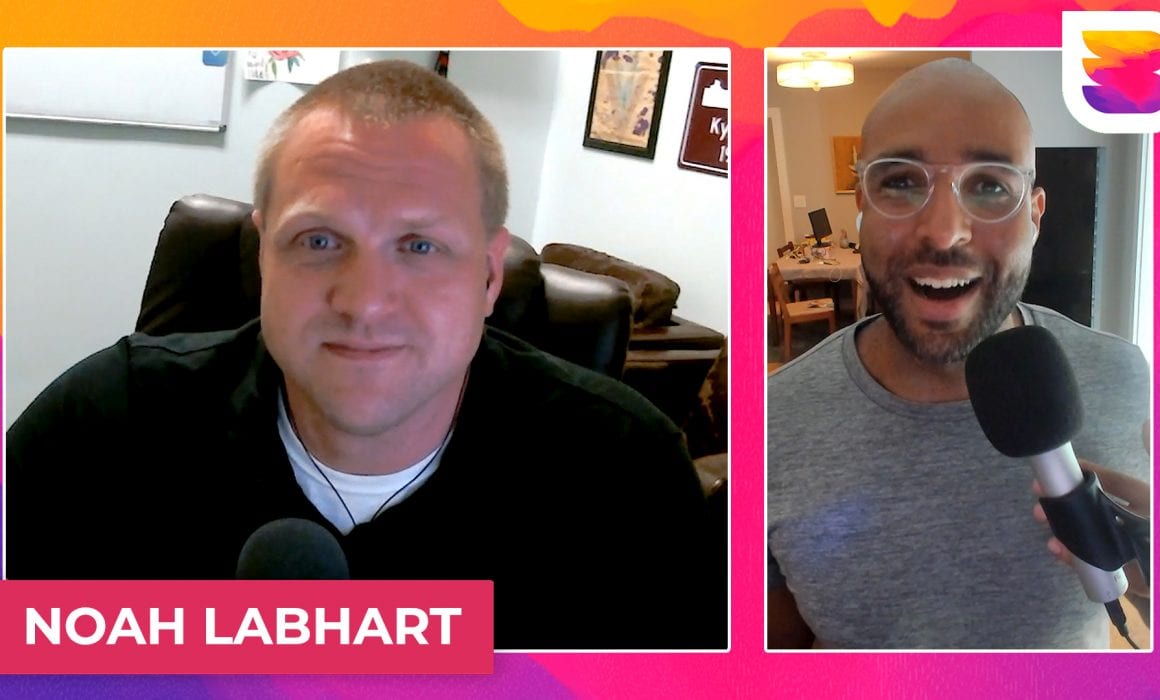

Recent Comments