182 podcast episodes 🎙️
Monthly Archives

May 2021

Home / May 2021
Podcast

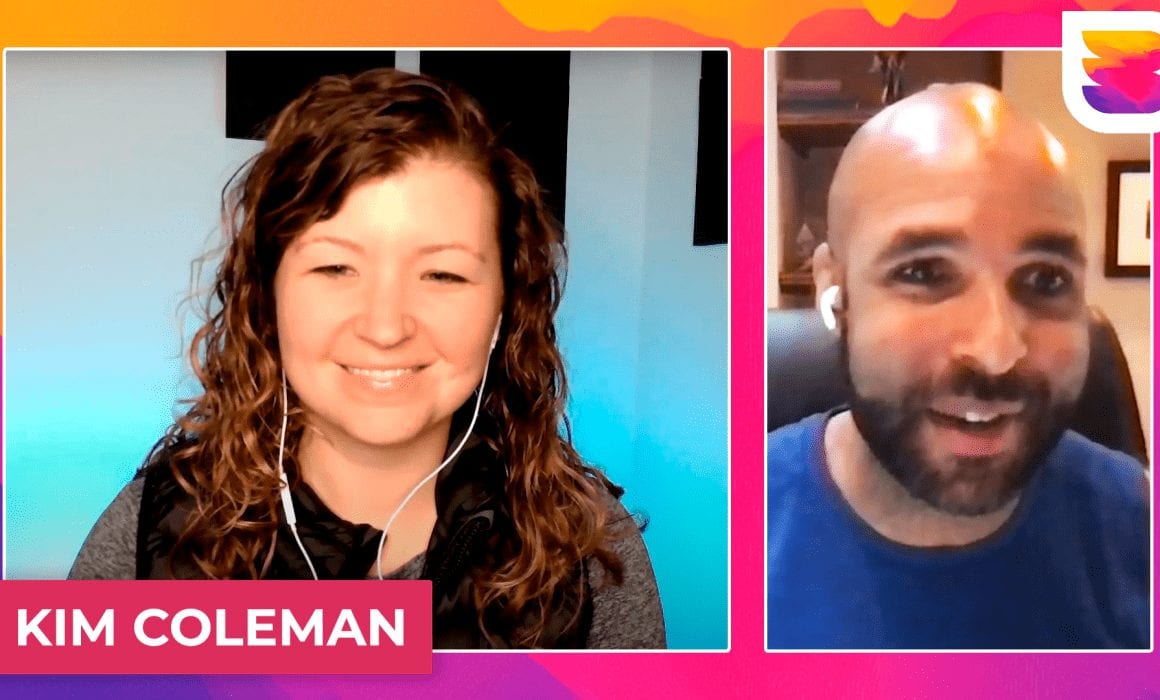
E148 – 10 Years of Driving Success Through MVPs (Kim Coleman, Paid Memberships Pro)

In today’s episode, Joe talks to Kim Coleman, the co-founder of Paid Memberships Pro – the most complete WordPress membership plugin. She has her hand in all aspects of the development, management, and marketing for the product and the team. She oversees frontend development for the core open source plugin and over 75 Add Ons.  

They discuss the value of MVP in growing a business, catering to customer needs, and building and testing new features through the community. They also touch on the importance of formulating the right content for branding, and membership pricing and discount schemes.

What to Listen For:

  • 00:00 Intro
  • 00:46 Welcome to the pod, Kim!
  • 04:12 What has changed over the years?
  • 07:02 The biggest concerns are the desire for the developers to refactor some features
  • 11:11 MVP on the site’s current workload and paid memberships
  • 13:55 Deciding between adding as a core part of the plugin or an add-on plugin
  • 17:32 Limiting what the plugin is responsible for in WordPress
  • 22:46 The struggle to get content from your customer when building a site
  • 27:51 Allowing the community to test newly built products and features
  • 30:07 Pricing: during product launch and how it evolved over the years
  • 37:32 Turning experiments into blog content and knowledge share
  • 40:43 People buy because of urgent technological issues they cannot solve on their own
  • 42:31 Running a company and the family together with your partner
  • 45:37 Homeschooling kids during the pandemic
  • 49:13 Find Kim online!

Episode Resources:

Podcast Transcript:

Joe Howard: [00:00:00] Early folks, Joe Howard here this week, I got to sit down and chat with Kim Coleman. So Kim and I know each other pretty well from kind of back in the day. And WordPress, we’ve gotten to know each other a little better over the past, like three or six months maybe, but yeah. Kind of when I was starting off with WP buffs, I definitely remember like meeting her and Jason at like word camp us.

I don’t even know as well. It must be like 2016 or something. I can’t remember if we actually met there, but I remember paid memberships pro being a plug. And I definitely looked up to, I was like, wow, Kim and Jason are doing awesome stuff over there. And still today they continue to do that. So it was really cool.

Being able to sit down and chat with Kim on the podcast live. Really inspiring to hear. What’s led to 10 years of success for her and Jason and the company paid memberships pro 10 years is a long time. It hit double digits. Really cool. And getting to hear what’s driven some of that success. I think is going to be something that’s going to help me to think about how I moved up to the bus forward.

And hopefully you as well as a listener, if you’re running a small business or a company, cool. To hear how she transitioned into paid memberships pro from consulting and services work, she has a real MVP kind of approach to her work at a PMP, a minimum viable product. So they have a really good system for like, How to decide like what they want to push forward.

What do they want to create an ad on plugin for what they want to integrate into the main plugin? What steps do they need to take before they even, you know, talk about plugin development? So we talked about a bunch of other stuff too, but listen into today’s episode to get everything so cool. Without further ado, please welcome Kim Coleman.

Enjoy today’s episode.

the WP MRR WordPress podcast is brought to you by WP buffs. WP bus manages WordPress websites, 24 seven and powers digital growth for agencies, freelancers and WordPress professionals. Join our white label program. And by next week you could be offering a 24 seven a white label website, support to your clients and passively growing your monthly recurring revenue.

Or become a WP buffs affiliate to earn 10% monthly payouts every month for the lifetime of every client. And finally, if you’re looking to sell your WordPress business or website, check out the WP bus acquisition unit, learn more about all three at WP buffs. All right. We are live on the pod this week with Kim Coleman.

Ken, what is going on? We’ve been friends for a while here, WordPress based. So I know you and I know what you do, but why don’t you tell folks who are listening, what you do in the WordPress space?

Kim Coleman: [00:02:50] So I’m a co founder. We have a membership plugin it’s called Paid Memberships Pro we’ve been at this for over 10 years.

And it’s an open-source plugin in the WordPress repository, and we have a recurring membership. That’s an annual basis for support and automatic updates and some premium extensions.

Joe Howard: [00:03:06] Yeah, very cool. And 10 years, I mean, WordPress has been around for like what, like 15 years, you know? So you’ve been around WordPress, you know, since it was a much younger piece of software, WP bus, like we just went through our fifth year kind of right now, and you’re a 10 years.

So I’m like, I’m looking at you like, whoa, you must like. Three, you have way, a lot of experience with this stuff. So how’s it feel to be like a decade into this product?

Kim Coleman: [00:03:36] Pretty wild. And the first three years were a hybrid of still doing development and project work for customers and clients, and then side building this product along, along with that development.

So I would say 2011 is when it entered, the repository became a product that people could use. And really 2014 is when it. Turned into a business that could support Jason and myself and the team, you know, the two team members at that time. So it’s interesting. The perspective of new people entering WordPress in their perspective.

Of the platform and the new technologies that they’re developing for WordPress and being kind of the old team of it is interesting.

Joe Howard: [00:04:13] I don’t know if I knew this about paid membership pro we’ve been friends for a while. I’m always like learning new things when I have to have people on the podcast, but to pay memberships pro grow out of a need that you had when you were maybe doing more like consulting and services work, and you were like, people needed a membership.

Area. And you were like, maybe we’ll try to build one. And that’s how it came around.

Kim Coleman: [00:04:33] Kind of at that time, the players were S two member wishlist member as two member, I think wasn’t in the repository. So it was interesting to see clients needing this functionality already having a WordPress site that we built for them, and then realizing, could I add an e-commerce component onto it?

And I think in part we used our extra time plus client time to bootstrap and fund that development in a safe way that was sustainable. For us as a young couple with kids and all the fun things that go along with that.

Joe Howard: [00:05:01] Yeah. I’m sure it was kind of slow and steady and making sure that cause to jump fully into like going from services or consulting into like doing a plugin.

It’s hard in a lot of cases. I almost don’t recommend it because it’s like, well, if you have your financials in order now, like totally jumping ship. As opposed to like taking a year or two or three, like kind of transitioned into that maybe a little bit more responsible or your kids are a little older too.

Right? So they’ve been around the whole time you’ve been here.

Kim Coleman: [00:05:28] Yep. We had a daughter born in 2011. It was June of 2011 that we put the plug in, in the repository and then she was born December. So, and our son’s 2008. So he, he watched the ride, I guess.

Joe Howard: [00:05:39] Yeah, that’s cool. I’m trying to think about like what 10 years of plugin development looks like.

I feel like there’s, you know, when you were at your early stages, I’m sure you were gathering a lot of feedback from your users and trying to create new features. They’re like, what is the last, like, I don’t know, five to seven years look like in terms of building a plugin, has it like, what, what has been your, and Jason’s.

Focus, has it been more like growth focused? Has it been more like, what features do we need? Like how do we just make the best plugin possible? Has it changed every year? Like what does that look like through the years?

Kim Coleman: [00:06:10] You said yes, more often than we are now to adding things to the core plug in that know one or a handful of people needed.

And now when you’re serving, you know, over a hundred thousand sites, You can’t be that dynamically developing. You have to put thought into what you develop. You have to always ensure backwards compatibility. We’re on 2.5 0.9, no, 2.5 0.9 0.1. I think there’s a small release today. So version two was kind of our first feature breaking.

For prior versions, but we try very hard never to do that, just because of the landscape of people that are on different versions for various reasons. So we’re definitely saying no more. We’re definitely looking at cycles of work that will be a complete kind of refactor and looking at the oldest code and trying to catch that up to the standards that we have now.

And then as far as ad-ons, we also did the same thing. We. Created a lot of individual kind of feature plugins to extend the core plug and things that didn’t belong in the core plug in that were unique and not necessarily applicable to every membership site. And now we have this huge code base to maintain.

I think we don’t have them all publicly released, but there’s over 90 repositories that in our GitHub account that have some interaction with the paid memberships pro so kind of narrowing those in and consolidating them. In a smart way. We have a lot of email integrations and now we’re thinking, do they all need to be standalone?

Or can we have one that has modules for the most popular newsletter options that are available to people? So sharing code where possible and being a little more strategic, those are the big life lessons that you’ve learned.

Joe Howard: [00:07:44] Yeah, definitely. I’d love to dive more into that backwards compatibility. Cause that sounds super hard.

Like that sounds hard at one year, like a 10 years, it must be like a really heavy. Consideration everything you do. I’m just thinking about what we do at WT bus, in terms of the software we use, it’s like kind of hard to switch software now. And that’s like a super basic thing. It’s like, well, if we want to switch project management software, it’s like, that’s a huge deal.

Like we’ve got like dozens of people on the team and that’s an enormous endeavor on our end, but it still seems almost like it’s like nothing compared to like backwards compatibility for plugging into the a hundred thousand people are using after 10 years. How does it feel when you’re. Yeah. I mean, I guess I’d want to just pick your brain a little bit more about that and like how that affects your day to day and maybe just like, you want to release a new, the feature.

Well, it’s the first thing you have to look at like, well, how does this, does this work for everybody? Or like when we add this, how do we make sure that nothing breaks from something we released like nine years ago?

Kim Coleman: [00:08:38] Absolutely. Some of the biggest concerns are third. The desire for the developers to refactor something, make it smarter and better.

And then Jason, I have to hold back that bus and say, but wait, this is going to require like database migration and they’re going to have to run that on their site. And. We don’t know what combination of things are also running on their sites and it is open source software. So it’s being used and installed by people of all skill levels who, when they hit that upgrade button, maybe aren’t first testing it in a staging environment or some cloned environment of their site.

And or they’re doing it in a batch. They just check all. That is an update and available to them. And when an error happens, it’s really hard to understand which plug and caused that error. Was it our plugin, what failed in that process and talk them through, fixing it. If they don’t have maintenance like WP buffs or another developer on their team to support them in kind of reinstalling from some previous state where that bug wasn’t existing and helping them forward.

So, That’s like the scary thing, for sure. Yeah. Yeah. It does sound a little scary. And then you look at it, SAS product that’s hosted and they control the code base and they can do updates like this during an overnight window of two hours, migrate everyone’s data in the servers they control and the code base that backs that SAS and the features are readily available the next morning, when everyone logs in.

So it’s kind of a dreamland to look at it that way, but that’s not our model because we like the open source. We like being attached to WordPress for our product, but it is kind of grass is greener. When you look at a SAS option where they can control the update fully.

Joe Howard: [00:10:17] Yeah. I’ve seen some people in the WordPress space kind of leaning into.

More like SAS solutions, more aware, maybe they have a plug or they start with a plugin, but then they’re eventually kind of thinking like, well, what if we just, you know, hosted everything ourselves, or at least for like some piece of this, maybe the pieces were backwards. Compatibility is hardest. And just kind of like have people logging into this area in order to manage this aspect where we can have a little bit more control.

I don’t know much about like GPL licensing though. Is that something that’s like, I’m sure there’s some sort of challenge there in terms of like, well, this needs to be GPL compatible, like. Is there any middle ground in terms of like, can you have a piece of something that’s like a logging area for SAS, but still be technically following the GPL license and open source?

Kim Coleman: [00:10:59] I think similar to that would be plugins that build in kind of data sharing and phoning home. So you’re under the same requirements that GPL would be. So I think as long as you built it in a way that. Whatever data was stored remotely on that SAS environment respected the account changes made on the WordPress site, respected if a person wanted their data forgotten that it would translate through to that hosted SAS thing.

Um, I think that would be an option and doable. Um, at the same time, there would probably be a lot of. You know, inserted into your terms and privacy policy that as a user, you’re not just engaging with this website, you’re engaging with this website and this SAS that has copies of your data. So I think it’s a landscape that requires lots of legal yeah.

Experience and understanding and all those areas. And yeah, it’s interesting. Even the phone home thing is interesting for WordPress plugins that have that kind of opt in to share my data. Back. It’s a dream come true to get that data back. And you see things like freemium that have that built-in and some data share.

It does help you as a developer guide, how to develop your product when you can analyze how people are using it across lots of installs.

Joe Howard: [00:12:03] Yeah, for sure. I want to talk also about MVP stuff. Cause you mentioned starting small. And building out kind of minimum viable products before kind of going big and as a WordPress plugin, this 10 years old, obviously you’ve had some success with that.

Maybe it looked a little different when you were starting off. And maybe there’s more pressure now that you’re a mature plugin company to, you know, release things that are solid every time. But what does MVP mean to you in terms of, I guess like your current workload and paid membership pro are you in terms of new features and stuff?

Kim Coleman: [00:12:34] We’ve always kind of taken a stance of developer first to a degree. So when we release, if we’re commonly getting asked about something, that’s kind of, it’s going to need customization. It’s not something that we can just say, like if we code it this way, it works for everyone all the time. If it’s something that has some gotchas.

We would develop it first as like a very robust feature plugin or just a code recipe that drops into like a code snippets on someone’s website or like a helper plug-in that people can use to customize for their unique needs. And what is that? There was a little snippet that people can add. Yeah, there’s a plugin called code snippets, which is pretty cool.

I think it has a ton of installs. Do you want to say it has like 2 million installs, but don’t quote me, but it actually adds almost a CPT on the WordPress admin for code recipes that you can drop in and it validates them to a degree to make sure that they’re not going to, you know, activate and fatal error your website, and you can turn them on and off.

So if you had your WordPress website, install this plug and you could drop in a little bit of code that says like, Oh, I don’t want people to have to enter their email address twice. I only want once. So it’s just a line of code before you realized this is something everybody wants. Let’s make it a setting, kind of our MVP approaches.

Let’s make it a code based solution. If we see traction and we see deep interest, then we can move that into more simple setting that doesn’t require code. So that’s kind of how we’ve adopted even to this day. We still have adopted that and kind of get it out there, get it being used, get some early feedback.

Okay, so code snippet first, I think that’s actually like a super smart idea because it allows your, it’s not part of your core plugin, but it’s actually, I think it’s a good thing that it’s not part of your core plugin, because it means like the people who want that thing the most to kind of have to do a little extra code snippet thing, or actually like your like most loyal feature requesters of that thing.

They’re like, I really want this. So I’m going to go use this feature or this code snippet. And it probably means you’ll have like a higher success rate of getting feedback from those people, because. They like went the extra mile to go use it. Right. Is there a line when you and Jason say, we think now we should start thinking about making it either a core part of the plugin or maybe an add on plugin.

Like obviously the plugin is like a much more serious next step. So when do you to consider that like, we’ve gotten enough feedback or this is something we want to move forward with from MVP to, I dunno, maybe like second level MVP and more mature MVP. I think it’s definitely related to. Is that getting requested often, is it causing a lot of support tickets?

So people are more confused by the code snippet approach and we recognize that turning it into an actual plugin, they can drop in and install with a settings page, or like you said, putting it in the core plugin. If we recognize that that helps everybody and reduces support tickets, um, and is being asked for so often, then it makes sense.

Another option that we look at is. If having separate code recipes that don’t play nice. If you configure them in weird ways, if moving them into the core plugin or into an add-on directly will reduce the opportunity for conflict. Then it’s a good time to say let’s put this in the core plug and we’re doing that right now.

We have an add-on for customizing all the email messages that get sent at various. Points. So if you have payment method, that’s expiring soon, there’s an email. If you have a payment method that failed to rebuild, there’s an email. So we’re moving that into the core plugin now because it’s time and it’s been an add-on that’s existed and it’s been asked for, and there’s kind of a limitation in the core plugin of how you can translate email templates.

It kind of came at us in all these directions, like popular, needed by every site improves. You know, translations and are the ability for our plugin to be used internationally. Like. We got do it.

Joe Howard: [00:16:15] Yeah. Cool. I love Dunning emails, especially for membership recovery, but definitely like credit card recovery, like automating that, or even semi-automated that was like a big time-saver for our client success team, because before we were kind of like manually emailing people, like, Hey, your stuff’s running out.

And then we found, you know, I think we use Baremetrics recover for awhile and it’s just like, oh, this is a way easier. You just have a template. And it’s just like, it knows when your, uh, people’s stuff’s running out. Yeah. And integrating that emails stuff into like core plugin is like, this is a great example of like, what I feel like is like you run paid memberships, pro membership, plugin, you know, it’s like at a base level.

What do people think about as a membership plugin, people can have an area in their website where they log in and log out and now have stuff in there for people to have access to. Like that’s what a membership plugin is. Right. But once you get a lot of users, you have people asking like, well, I need to, like, I need to be reducing cancellations of memberships because people pay for my memberships.

Like this is how I make a living. So how do I email people to be able to recover or tell them like a credit card turning out or tell them that their membership, you know, is needs a renewal or something? And now you and Jason have to surround like, oh, okay. So this is a whole nother thing. Like now we’re having to deal with like email and SMTP and making sure emails go through.

And so a lot of stuff can grow out of what seems to be like, you know, us, you know, somewhat niche, like membership area of a site into like, well, it’s got to, once your users grow, you have to do a whole lot of other things as well. How has it been releasing new features like that? Like, that’s a, that’s a, it seems like a big one.

Like where you and or Jason, like, do you feel like you have to do a lot of like R and D around this stuff? Or is it something you like know pretty well as developers in terms of like implementing like email stuff? Cause it seems like it, maybe it’s not exactly the same, like, I dunno development area as like.

Plugin stuff, membership stuff. Oh, email is like, feels like a somewhat different area.

Kim Coleman: [00:18:09] Yeah. We try to like limit what our plugin is responsible for in the WordPress site to a degree. So we can help you make an easy to use tool that. Edits those emails and makes them have the right look and feel to match your site.

But when it comes to how they’re being delivered, it’s so server and host dependent that it’s outside of what we feel like we’re responsible for more recently, we integrated directly with send WP, which is a service through the Saturday drive team. And it was easy to integrate with. And we have a good relationship with them as a company.

And there’s a number of people who activate pain memberships pro and begin using ascend WP account because it’s fairly low cost, I think at $7 a month or $9 a month and gives you some reporting tools. But if you have a WordPress site, Hopefully you’re on a strong managed WordPress host or have a good hosting environment that is looking at how email deliverability works and kind of being your support system for that.

If it’s not something you have skills in, for sure.

Joe Howard: [00:19:07] Yeah. I love that. We feel the same way. W both sits, like what do your like website edits cover? What do they not cover? And we like are very robust and like what it covers, what it doesn’t cover, but it still seems like every week there’s like some edge cases.

If someone comes in and is like, what about this thing? Or what about that thing? It’s like, oh, like it’s a new thing in WordPress, you know, just cause there’s always new stuff happening in WordPress. So it’s like, we’re always evolving that. So I totally kind of understand what that feeling’s like, but in terms of the teaming up with other companies and like everybody focusing on where their best, I really liked that idea.

And I know San WP pretty well in their email solution. There. It was solid. So I think you kind of working together on that. I think everybody benefits because then you don’t have to worry as much about the email stuff. You know, you can work with them on that and they’re experts in that area. Then you can continue to be experts in membership stuff.

Didn’t make it make sense.

Kim Coleman: [00:19:54] You made an interesting point about. That a membership site in its most basic form is a login and maybe some protected content. And as we’ve grown, we’ve seen the, how extensive people want to get with what they’re protecting in the content or what features of their membership are and how they’re trying to kind of piece together.

All these different features and value adds to their membership site. So it’s interesting for us to see that there are still sites that are very basic. They want. You know, a protected category of articles and it’s just vanilla, everything painters SYSPRO and WordPress, and you’re good. But then you look at the other side and there’s people that want communities and events.

And, uh, you know, discounted products or free shipping on products. And they want to like have custom forms where people submit information and it’s a back and forth kind of like a coaching environment. So we do have to kind of put a, a rope around what we say is the features of the membership plugin.

And then what’s an integration with another plugin that does that feature. Well.

Joe Howard: [00:20:54] I mean a hundred thousand users is a ton and they’re all doing different stuff. So it must be a challenge walking that line also of, you know, at the core, our plugin does this great thing, but there has to be some more things that it does also to cater to so many users.

So yeah, I mean, I’m sure every week when you’re in your meetings every month, when you’re like feature meetings, like, well, it’s a whole new reassessment of kind of like, okay, what are we doing now? Let’s stay, try to stay true to our north star. But while there are like 30 users who asked support for this feature, like, okay, maybe we should do a code snippet for that.

Or like, so I’m sure it’s always active.

Kim Coleman: [00:21:29] There goes to the people building membership sites because the number of thought leaders creating content and saying, this is what a membership site looks like. And you got to have a course. And if you don’t have one. What are people gonna pay or how are you going to prove your membership had value if you don’t show them, you know, progress and these types of things.

So I think people building membership sites are second guessing what type of content to build, because they read an article that says you should definitely have a community. Why wouldn’t you create a private Facebook group for your membership or have a buddy press community. And I think it kind of confuses their original idea of what their membership would be, and it makes it.

They feel like they’re trying to feature, match and feature parody to what the recommendation is for what a membership site looks like.

Joe Howard: [00:22:11] Yeah, totally. This is like, what are the best practices of doing anything? Like you could Google it and find your like, listicles, like your 10 most important, you know, aspects of, you know, building a membership site.

Like one, you have to have a community. Like if you don’t, you suck, you know, and it’s like, well, the best practices are great. They’re good. Like guiding light, but like. Remember that like the person who wrote this is probably like five years individually near, like maybe they’re like 20 years into their journey.

And like, it’s okay not to do everything right away. In fact, you probably shouldn’t try to do everything right away. Like do a few things like you were talking about, right. MVP and start small and kind of build from there was always time to build more out there. So, yeah. I’m sure that’s a challenge for you, like actually working because your goal is to help people build.

The best membership sites they can. And that can be a challenge around just providing the tool, like just providing the plugin is a challenge, but also like helping people to like actually use the tool correctly or like in the best way possible. From your perspective, as a team who have a ton of knowledge about like, who are your best.

Call customers yourself. Like you probably have a list of like your a hundred, like most successful membership sites based on whatever metric that may be. And you could probably say like, well, here’s how they started. Here’s how they do this. Here’s how they grew it to this size, et cetera. But I’m sure a lot of people they’ll do that.

Google something and like, you know, think they have to do X, Y, Z when, so I can, it’s not super important. So I don’t know if you’ve, if that’s been part of your. Kind of journey of paid membership pros like paid memberships, pro yeah.

Kim Coleman: [00:23:39] Agency work. When we created websites for people, anyone who does agency work will identify with this, the struggle to get content from your customer.

So you’re building a site, it has placeholder text and you’re like, where’s the content. Or even choosing a theme or building one, they want to look at examples. And then they’re like, okay, like, that’s pretty looking. I’m going to I’ll find texts for that box on that theme demo. And then they, they didn’t really think content first.

They didn’t think. What message do I want to convey? They thought, oh, here’s a box with a heading and an icon and you know, a hundred words, I’m going to write something and fill that in. Cause it’ll make it look nice. But the same thing is kind of true for membership sites. They fill in the blanks of what features they should have.

Rather than stepping back and looking at the content that they do have, and it does hold up launch for a lot of membership sites who they keep pushing out. Oh, well, I have to write a course now and, oh, well I have to have an ebook now. So they keep pushing out the launch stage the stage where they can start getting feedback, the stage where they can have some like early adopters who help spread the word and kind of reach a critical mass to say, We demand an ebook.

We’re ready for it, create it for us. And then it’s a lot more natural to create kind of, or they get hung up on the minutia of kind of design and features that aren’t yet important. Like you’ve just started out and you’re starting to worry about like, how are people going to gift membership? So you start worrying about things.

When you have zero members, you’re worried about how are they going to gift it. How are non-existent people going to send a gift? You’re like, not yet later, not yet. You know, I’ve learned a lot about human psyche.

Joe Howard: [00:25:11] Yeah. Yeah. And then totally comes back to the MVP stuff you were talking about. I find this probably is a little bit different when you’re really starting off than when you’re a more mature company.

Like if you were to like release a totally MVP feature in the plugin, like. Probably at a ten-year-old plugin. You actually don’t want to do that anymore. Like, probably like there may be some aspects of MVP, but like, it probably has to be like pretty good once it’s like plugged and released for people to like, continue to have a good experience with your plugin.

Because now instead of like two people seeing it, it’s like probably like. 10,000 people are going to go and see that feature somewhere. So it’s probably important that it’s solid at that point. And for me, it’s somewhat similar. Like I, for better or worse, my mentality still is like, I’m very like MVP.

Like put it out there, like Stephanie present done fine. It’s fine. Like, it’ll suck for a little while and it’ll be better. But Nick is on my team and he’s very much like, no, we should probably make this better. Cause like people are gonna see it. So. And I still struggle with this as well, but definitely people who are starting off, like, and if you’re like managing membership sites or you’re building membership sites, or you have a membership site, you know, using paid memberships pro or, you know, another solution, I think like we’re trying to do, you know, we’re starting a community, WC bus community, actually, it’s a WP MRR community and Kate is on our team.

I don’t know if you knew that Kate is a bus now, should we have a water or a slack group? And she was like, guess what announcement cool. Awesome. Yeah, she’s been man. She hit the ground running and she’s been awesome so far. I’m super excited to work with her, but she’s helping us to build out a WP MRR community.

And so we’re definitely thinking about like, I’m like, let’s get it out. Like let’s launch it. And she’s being very much more thoughtful in terms of like, well, let’s create like a good MVP instead of like, About MVP. So she’s putting a lot of time, like, how’s this going to be a great community for people, a great area for people to come into, but I’m always going to be pushing the envelope a little bit in terms of like, well, let’s get some people in there trying it, like, let’s get some feedback from people.

Like I want to do a beta before we actually go live with it and stuff. So I think if so I just talked for a long time, but. In essence, what I’m saying is I love the ideas MVP is. And I think like if you’re going to air, especially when you’re starting off and like, no one’s seen it yet. It’s much better to like send it off when it’s not ready then to go over analyze and go too far.

Because what you start off with is never going to be what it is when it’s finished. You’re going to build it based on feedback, based on how users experience that you’re always going to pivot somewhat like the idea you have at the beginning is never what it’s going to be a year from now. You know, that it paid membership pro very well.

I know that at WP bus, because what we thought it was going to be a totally turned into something different. So. I love MVP. And I think like put it out there, let people mess with it a little bit and see what happens. Immunity.

Kim Coleman: [00:27:49] It’s something that it needs people to make it interesting. So for you and for designing one and saying we’re going to launch one, it means we need the whole WP buffs team ready to participate and keep conversations.

Flowing and interesting. It would be like walking into an empty bar and you’re like, oh no, one’s here. Is this a bad bar? Like, should I, or a bad restaurant, should I not be here? But to walk into a vibrant community, you’re like, oh, this is cool. This is where people are talking, you know, I’m coming in.

Joe Howard: [00:28:16] Totally. And it’s community. It’s like the people make the community. So like, I kind of curate a community to a point. Like, I can’t just like say, I want you to have this experience solely and like, That’s all you’re allowed to have. And then people come in and are like, okay, I guess I’ll do that. Like, well, they’re going to come in and probably like want to somewhat like walk their own path.

And so I’m going to watch their path and say like, well, how could we make this even better for you? And that’s how I think building that, you know, kind of comes to fruition, but okay. Sorry. I know I went off on a little bit of a community tangent, but I also want to come back a little bit into pricing for paired memberships, pro paid membership, pro premium WordPress plugin.

I like to talk about pricing, honestly, especially with someone like you who’s been around for so long and plugins been around for so long. You probably have a pretty good idea about. Pricing. You’ve probably done a little bit of experimentation along the way in terms of pricing. I’m sure it’s changed over time.

I’d love to hear the journey of kind of like what was pricing when you first launched the plugin or maybe it was free and the repository with the premium add-on I think it’s still like that, but there’s a premium version of it that people could still buy at some point. How did the pricing start and how has it evolved since, since it was first launched?

Kim Coleman: [00:29:27] Yeah, when we started, we thought. We would have a monthly, so we’ve completely changed because it’s now annual. And we started, I think we were like nine 97 per month and it was support. And some download only, you know, dot zip plug and file downloadable extensions, and access to some of those recipes. We talked about that we publish on our site.

We keep some of them behind the paid memberships paywall, so that. The wrong developer or non-developer, isn’t accessing a recipe and trying to use it without kind of the ability to ask for support about it. So it was like nine 97. I think that lasted for three or six months and people would stay for three months, cancel and have consumed a lot of support time.

So this Jason talks about a lot value pricing pricing, where the user sees the most value is where you. Kind of have to anchor the pricing on. So for us month one, if you ask for tickets and then month two, you ask none, then you’re attaching value to number of tickets. So for $10, I got four tickets, month two, I paid $10.

I didn’t ask any questions. I could cancel. Why do I need this? So then we moved. We said, this is really annual. It’s kind of front-loaded. All the support happens in the first three months. Really. We have customers that, you know, still continue to open tickets over time, but that’s when they’re building and that’s when you’re starting.

And when you have the most issues potentially. So we went to an annual model and we had two levels that were very similar. One was called core. And that was, I believe it started at 47, but it kind of settled in at a $97 per year. And then a plus that was one 97. They both got support in the same type of support, but at the $97 level, you didn’t get access to all of those.

Premium extensions. So it was still, you know, free, no technical support, no premium add-ons and then a support only, and then a support with premium ad-ons. And that middle level was not very popular. People were getting that middle level and wishing they had the ad-ons and it was creating more confusion.

And it was like, wait, what, what level did I get? I don’t really get it. Um, so that consolidated down into just that plus level and we introduced. Uh, higher tier level above that for three 97, we called it unlimited, but that was a totally decoy and it’s not a popular level. I think he would be like a hundred a year of that level.

I mean, it really is there because. Three levels looks better and the best one is in the middle and it’s highlighted in a way. So, um, most people are, are plus level. That was one 97 for many years, and we raised prices. And when we did raise prices, we always grandfather everyone into what they’ve been paying.

We don’t upcharge anyone. And we also ran a sale during that time. So everyone that was already paying one 97 a year was locked into that rate. Anyone who was curious about it and on the fence could join in at one 47 rates were going up to two 97. So it was a big. Opportunity for people to get in at a cheaper price.

Good opportunity for us to kind of have the cash, right. Flux. Um, and then, so that was two 97 with a one 97 annual renewal. So we had reduced annual renewals and we took that away in 2019. I want to say, and we made it the same price every year to renew also kind of a confusion people would. Kind of cancel and not know what they were supposed to pay.

They’re like I was paying one 97, what should I be paying now? And we had a lot of support around that. People whose accounts lapsed. Then we had to find a way to give them the one 97 price and all the logic related to having all these prices. In our history. There’s a very big recipe that says, what should I be paying for the people just running on our site.

So everything kind of simplified when it became two 97 renews annually. You’re good. That’s kind of where we settled at. I don’t know that we’re running any more price experiments. The only one we’re going to try, we have not yet tried is related to like the perpetual sale, which we don’t. Really advocate or love for people who don’t know what perpetual sale is.

Like every time you come to the website for the next four hours, it’s going to be on the sale price. But actually it’s perpetual, it’s always available at that sale price, but we are going to try when people get to the checkout page, just throw a, like extra 10% off on there and we’ll see how that works.

Joe Howard: [00:33:31] Yeah. We’ve kind of. Steered more away from discounts in general, because we want to be like seen as a premium solution for people, but we still do some discounts like with our affiliates, especially because like that just helps them improve conversion. And I like the idea of experimenting with discounts because you don’t have to do like a 75% discounts.

Like you can do like a 10% discount and see how it affects conversion. Right? You like put a little pop-up on your checkout page or on your pricing page. This is like, Hey. Like you can get 10% off, like right now, if you want it to and just see like, Hey, 20 people shut down instead of 10. Well, that’s like, that’s good.

Or maybe it’s like, no more people did. So then you say, okay, a discount didn’t really work. I don’t know if those numbers are statistically significant. Maybe you need a hundred instead of 10 or a thousand, but regardless, that’s an interesting experiment to see if that works. The perpetual discount is an interesting one to me.

So it kind of comes back to like a challenge. I feel like I have around. I probably a lot of business owners around, like, I want to do something that works that will help my business financially, but I also like want to be like an ethical business owner or like a morally sound business owner. I don’t think there’s anything really wrong with running it like a constant discount.

You know, there are a lot of. Sites out there running WordPress things that like always have one price crossed out and say, you can get it for this price. And like in four hours, this is going away. And so, and I’ve seen those in some pretty successful plugging companies. So clearly it works. Like, I feel like you could do some testing and get some like that to work.

But like, is it really a perpetual discount if you do it that way? Like, is it something like, I dunno if I feel weird about it or not? I think probably I do cause something, that’s why I’m talking about it here. It’s like something makes me feel weird, but clearly a work’s too. I don’t know how you like, think about that.

Like, is that something you feel like you want to try out and like, see if it worked like run the experiment with it.

Kim Coleman: [00:35:19] We would run the experiment only because we use our own plugin to sell our own membership. So what we do from an experiment standpoint becomes blog, content and knowledge, share to other.

People building membership sites. So we’re always interested to kind of be the Guinea pig and run that experiment ourself so that we can say, Hey, this really worked. We might not keep doing it for these reasons, but if it’s something you’re comfortable with and want to try, you know, here’s how you, first of all, set it up and here’s the results you could expect.

Jason, read an article. I will try to find it and I can. Put it in the comments of the podcast, when it publishes about the psychology of buying things that are on sale and how people feel better emotionally after having bought something, if they got it on a discount. And Jason said to me, you know, who am I to deprive people of that feeling of happiness?

Who am I because of the icky feeling I have with say, you know, even though my product, I know that it’s two 97, I’m going to say it. Four 57 and you’re saving this amount and it’s actually two 97. Cause that’s what these perpetual sales really are. It’s lying about your real price and having people pay your real price anyway, the price that you’re comfortable selling your product at.

Joe Howard: [00:36:28] So, yeah, that is super interesting. I never really thought about that psychological aspect of buying a product. I think I’m saying this from a position of privilege. So let me just ask this, my next comment with that, but I feel the opposite. Most of the time. Well, okay. I feel like what you just said psychologically.

Like I like getting a discount when I’m buying from like a fortune 500 company or like Amazon, like, yes, I got a discount. Like, fuck you, Amazon. Like, I got this for cheaper, but like, if I’m buying paid membership pro and like, you gave me a discount code, like I wouldn’t use it. I’d like actually pay you for the full amount.

And I, I like to do that with a lot of smaller businesses around because I feel like I want to pay more. I don’t know. Do you know what I mean? Because it’s like, well, it’s like, I’m paying to help, like. Kim and Jason like run their plugin better. And like, they probably want a client who’s going to pay more anyway.

And like, does it affect like me? Like, no, I pay for a yearly plugin to run WP buffs.com. Like it’s literally, like, I don’t think about it. So why do I need the discount now? It’s like, well, I’ll pay a little more, try to do that around. And I don’t know if like that. I’m thinking from like higher quality customer, lower quality customer thought peer also, it’s like, I don’t know, like, am I a lower quality Amazon customer?

Because I like to get discounts. Like, do they want people who want to pay more for stuff? Like, I don’t know. You know, when we have done deep discounts, like we got all like trash customers, sorry, people who. The fact that 40% discounts, like you are not our ideal client. Like you wanted the cheap thing and you wanted a few edits your first month and then cancel just like you were saying, right.

A few support tickets and then canceling. So sometimes I think like raising prices is going to like, actually like maybe avoid some of those lower quality customers are not doing discounts like avoids lower quality. I don’t know. We have to do some more digging, I think, around that analysis of client base to like, see if that’s true or not.

Kim Coleman: [00:38:13] Yeah. What’s interesting with our product is there’s lots of reasons people buy. Even though it’s all open-source and on GitHub people buy because they don’t know that GitHub exists, even though we’ve said to them, you know, you can get all of this code. Just go here. People buy because they’re facing like an urgent technological issue.

They cannot solve on their own and we can immediately help them solve it. And there’s a lot of Goodwill in that relationship. When I gave you money, you fixed my thing in a day. Thank you. You know, I’m here and some people buy reluctantly and those people who buy reluctantly and buy on sale, like you said, those are the worst people.

Joe Howard: [00:38:49] Yeah. There you go. That’s the combo. It’s not ideal. Uh, right. I want to start wrapping up, but I would be remiss if we didn’t bring Jason into this conversation. Do you and Jason run paid memberships pro together? Talk a little bit about that because 10 years together, we were talking before we started recording here, like 10 years of.

Working together and not just in like, like a corporate environment, like you two running a business together all day, every day, and then you’re done with work for the day. Well, nothing changes in your relationship. Like you were still teaming up to like run your family and run the rest of your life. So you don’t get many breathers from each other our time apart, probably.

I mean, you’re doing stuff together all the time and there were a lot of WordPress. Companies like that, like smaller press companies or agencies where it’s like, you know, a partner team, not just professionally, but personally. And I always like to hear kind of what that’s like from your perspective, running a company together for 10 years and a family together, has that been.

Kim Coleman: [00:39:46] The biggest thing is the pandemic kind of changed a lot for us and for our work, we were busier than ever with work.

We were busier than ever with our kids and it made me, I specifically take a hard look at. The times that I interrupt his work because he’s there and present with me in a way that I wouldn’t do that to a coworker that was not my spouse. I would not expect the same, you know, always available to me, always there to fix or bounce an idea off.

We joke in our team. Like if you need something urgently from Jason, tell Kim, because Kim’s going to go say, Hey, they’ve been slacking. You. You know, go talk to them. So it’s a, it’s a shortcut to getting your item to the top of his list in a way. But I think through the pandemic, I became more aware of the moments where I would be interrupting and I started making separate lists to say, like, these are things that I need to have conversations with you about and let’s schedule that.

And dedicate that time to going through that list of items. So I wasn’t constantly pulling from him and we’ve been trying in our team to, to like divide what we’re responsible for to a degree, which it’s funny, you know, it’s been we’re high school sweethearts, so we’ve been together since I was. 15 turning 16, and I’m going to be 38 this year, so a really long time.

So we have figured out the, like how to fight, work things, how to make decisions without having terrible feelings, how to let it go. All of that kind of over those many years together, but more so through the pandemic, realizing that when we were more busy and the team is growing, we need to give each other the authority to be in charge of different things.

And we can ask for each other’s opinion about it. But we don’t have to have a hundred percent consensus on every decision that’s made and a hundred percent kind of approval before progress is made and it’s evolving. But I would say since the start of this year, 20, 21 specifically, I’m going to say I’m doing a good job at it.

Joe Howard: [00:41:45] Yeah. It’s good to give yourself a pat on the back. It’s funny actually hearing your experience when you’re working on a plugin with your partner. I feel a lot of the same ways in my relationship with Nick, actually, Nick, maybe it, maybe Nick is just my work husband. I think maybe that’s just how it works, but like, When you say we don’t have to come to consensus on everything and we can like split those responsibilities and let be like, that’s totally how our relationship has been too.

It’s kind of like, as the company’s grown and matured, like just things have gotten bigger. We just can’t always talk about everything that’s happening. Like we just kind of have to trust each other and just make sure that, you know, Responsibilities are recorded somewhere in that, you know, we’re prioritizing our lists and working on things that will hopefully unblock each other and help each other out.

That’s just kind of how it works. Um, how has it been having older kids? During COVID have you been as all school, but at home? I don’t know if you help. Some people I know in WordPress space do homeschool period.

Kim Coleman: [00:42:42] In a Montessori environment, which is already kind of set up with smaller classrooms and a little bit more protected.

And they haven’t had major issues. They stayed open through all of this, this event, but we took the kids out. Um, cause we didn’t really know what would happen, especially starting out the school year. Last September, we did not know. If it would all close immediately or how things would go. I think they went better than we expected for the schooling environments, but we’ve kept the kids home and they’re done, which is sad.

Now we’re getting to summer we’re vaccinated. So I think we’ll, we’ll slowly open up and let them start seeing friends, but it’s still a risk for both of them to get this, but yeah, they’ve definitely seen us working a lot more than they did. And I will say even before they were home with us 24 seven. We would work at night and they would see that, or they would see us having work conversations at dinner.

And if it was ever stressful, they would internalize that now it’s all day, every day. So to them, you know where we used to work all the time. Now, that’s like, that is way higher. They’re telling everyone, mommy and daddy are okay. Well, you would be at school. You want to see what we’re doing, but their perspective, it was interesting.

I’m interested to see what they do with their lives and whether they start a business or not having grown up with us, working together and having our own business.

Joe Howard: [00:43:51] Yeah. Are they drawn to it? Cause they’re like, oh mommy and daddy did this. And or are they like, Nope, like that doesn’t seem like my cup of tea at all.

You know, my mom was a doctor and like, I was never gonna do that.

Kim Coleman: [00:44:01] So daughter plans to own her own business she’s nine. And she says that she will start a company that does like marketing through virtual reality because she has the Oculus headset. So she’s like why aren’t businesses creating kind of marketing games?

Through virtual reality, releasing them for free. I’m like, this is great. Do it.

Joe Howard: [00:44:21] She’s ahead of the curve. Yeah. Go for it. Very cool. Nice. Okay. So I know that you and Jason are very busy right now. I have a little, um, like slack. DM going on with Jason and mark. Ben’s a keen, it’s kind of like, like a little investment chatter because I saw that Jason, I didn’t know this, but Jason like used to like, be more serious into like the like personal finance, like investments.

See, I know he still does some that some investment stuff, but he used to be like, Like instead of paid memberships pro like he did like that kind of work, like he had a blog and stuff. So I think I saw a tweet that he had and I, or mark had a tweet. And so I started a thread with both them and be like, Hey, like I know you to do investments.

Some are involved in like the investment world. I had known nothing about it. Like I have a little app on my phone where I have, like, if you put $5,000 into an account and like, you know, buy some Tesla or whatever, but it’s like, I don’t really know that much about it. So I wanted to like pick their brains about it.

So. They’re talking to all this stuff. I’m like, oh, I should probably Google that what that means, but I’ll make sure I I’ll send a few less messages there. Cause I know it. Yeah.

Kim Coleman: [00:45:17] Nah, he loves it. It’s kind of his passion. I think to a degree, our watercolor and our team channel is often like really just stuck conversations.

It’s all like, what do you think something’s dropping? Is this a buying opportunity? And I’m like, look at the cake I made, you know, and they’re like, okay.

Joe Howard: [00:45:34] Yes, yes. Buy the dip. Okay. I know what that means. So my lingo is catching up. So cool. Kim, thanks for hopping on. This is a ton of fun. Second to last thing I like to ask you for is just where folks can find you online.

Where can they go to grab the plugin? Or can they go to buy the plugin? Where can they find you online? Social media, all that jazz.

Kim Coleman: [00:45:53] Definitely. So the plugin website is paid memberships, pro.com, and it’s also available in the wordpress.org repository. You can search for paid memberships, pro memberships.

We’re one of the top two for me. I’m on Twitter. Mostly. I think that my Twitter handle is Coleman K eight three. So you can find me there.

Joe Howard: [00:46:10] Nice. Very cool. And last thing I like to ask our guests to do is to ask our listeners for a little apple podcast review. So if you would mind asking folks to leave us a review, I’d appreciate.

Kim Coleman: [00:46:20] Absolutely. If you’re listening and you enjoyed our show, we really hope that you can leave a recommendation and a rating for apple podcasts. Thank you.

Joe Howard: [00:46:28] Yes. If you leave a review WP, mrr.com forward slash review redirects you right there. If you’re on a Mac or apple device, you can just leave a star rating, but if you leave some comments there, it helps us.

No, what additional kind of podcast content we should have on, if you’d get a few reviews for this podcast episode, we’ll have Kim on again, we’ll do more pricing episodes and MVP episodes. So that’s always helpful. So go there to leave a review. If you have a couple of minutes, if you. Are a new listener.

We’ve got a bunch of old episodes, WP mrr.com forward slash podcast. We’ve got a search box right there. You can search for anything you want. You search for pricing. And this episode will come up and search for MVP. This episode will come up, but we’ve got a ton of other great content, 150 ish, other episodes we’ve done go and binge some old, uh, episodes at the end of this pandemic.

Let’s get out of that. The bingeing of the Netflix and Hulu and HBO. Get into the bingeing of something that’s going to help us grow our businesses. So check that out@wpmrr.com. That is it for this week on the podcast. It will be in your podcast, players and YouTube again next Tuesday, although for YouTube it’s Thursday.

So cam thanks again for being on. It’s been real.

Kim Coleman: [00:47:38] Perfect. Thanks so much, Joe.

Joe Howard: [00:47:40] Yeah.
Podcast

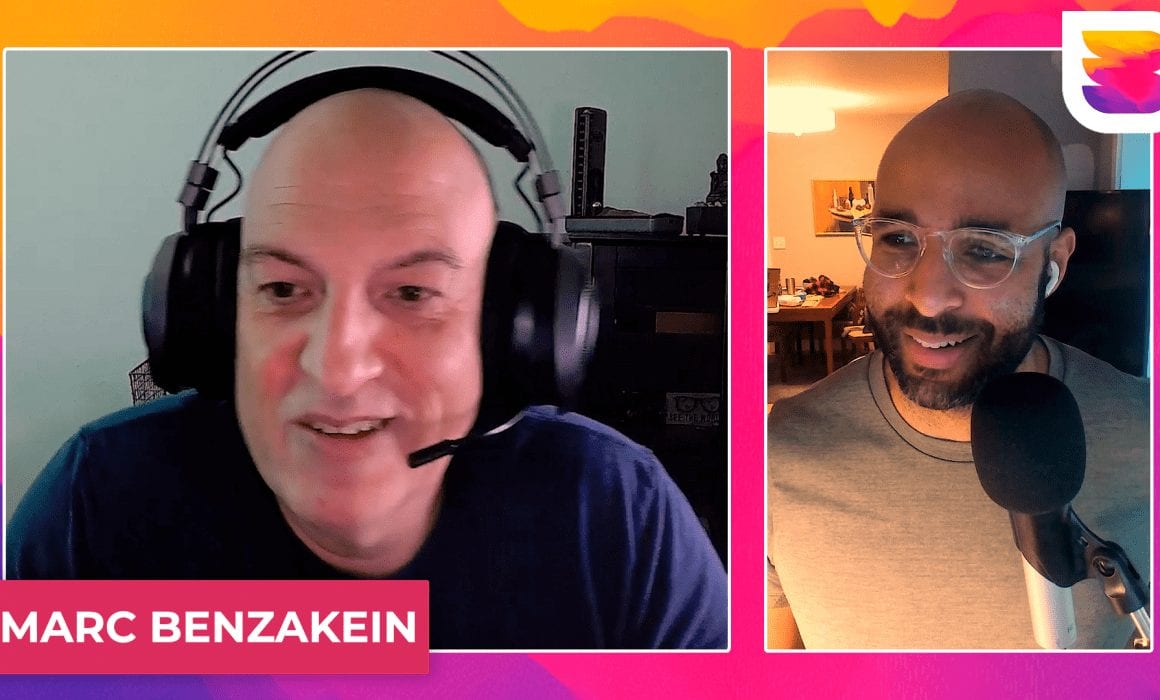
E147 – How to Live an Entrepreneurial Life Worth Living (Marc Benzakein, ServerPress)

In today’s episode, Joe talks to Marc Benzakein, the Operations Manager at ServerPress LLC – a software services company that provides workflow tools for WordPress Developers and Designers. His experience ranges from network administration to software development to upper level management in both Internet Service Providers as well as Software and Services Development.  

They discuss how capitalism opens opportunities for young startup founders, the financial pressure on Gen Z and how it deflates their passion for success, and the best work practices to avoid burnout.

What to Listen For:

  • 00:00 Intro
  • 02:40 Welcome to the pod, Marc!
  • 05:20 ServerPress LLC is celebrating its 7th year!
  • 08:44 Starting the business small and serving the first few customers
  • 13:22 Business owners should allow people to micromanage
  • 18:57 Work smart not hard to avoid burnout
  • 22:57 WordPress has a sense of community
  • 25:21 Scalable way to grow the company and its community
  • 26:50 Financial pressures suck the passion out from the younger generation  
  • 30:03 How capitalism favors startup founders
  • 34:40 Find Marc online!

Episode Resources:

Podcast Transcript:

Joe Howard: [00:00:00] No, the folks, Joe Howard here this week, I got to sit down and chat with mark benzocaine. Now, before we get into what we chatted about today, I just want to give, um, Mark’s company, a server, press a little shout out. We didn’t get to talk about server press almost at all in this episode. So I just wanted to give you a quick quote from, uh, Adam silver, from kitchen sink, WP, who, uh, has a testimonial on the homepage that I’m just going to read out quickly here.

Desktop server should be installed on every web developers system. It just saved me countless hours and creating sites testing and deploying client and personal work, even better as the team behind the curtain, they take care of their customers and treat everyone from beginner to advanced, equally best period investment period ever.

Period. Now server press is officially sponsoring the episode or anything, but because we didn’t get to chat about it at all. I just wanted to make sure if folks think that sounds like a good solution for you. You’re a WordPress developer. Go check it out. Server, press.com. All right. So mark and I did get to.

Chat about a lot of stuff today on the podcast, but not as much about the day-to-day WordPress work that we do. We actually went pretty deep talking about our entrepreneurial journeys. What’s what’s our role capitalism. Uh, what does gen Z doing? Coming up, maybe care a little bit less about the financial, uh, application of things and more about making the world a better place.

Lots. That we chatted about today. So not your traditional episode, but I really enjoyed talking with mark. We’ve known each other for a little while. And, uh, honestly, every time I walk away from a conversation with him, I’m just thinking about a hundred different things in the best possible way. He really like gets me.

We need to do a 10 hour. Podcasts with mark, uh, because, uh, uh, 45 minutes is just not even enough, but a great episode today. Uh, lots of shout about lots to think about lots of deep thinking. So I hope you enjoy it without further ado, please. Welcome mark. Benzocaine enjoy today’s episode.

All right. We are live on the pod this week with mark Ben’s Aquin mark, my senior last name, right?

Marc Benzakein: [00:02:46] Or is it kind of a cane, but benzocaine like the medication.

Joe Howard: [00:02:50] There you go. Oh, okay. There you go. It’s a nice parallel to it. Yeah. Nice. Cool. Well, welcome to the podcast. We’ve known each other for a little while. I mean, but last time we saw each other was probably at like a word camp, but we did like a beach press event.

Marc Benzakein: [00:03:07] I met you in person. I met you person, a beach press. I think it was three years ago. Maybe. I don’t know. It was, it was a while ago. And then, uh, I believe the last place I saw you, I want to say it was WordCamp us. And probably St. Louis, maybe we’re camp Miami. Uh, were you at work at Miami? It feels like a blur now because it’s like, after the past year, it’s like everything past a year ago is like 10 years ago.

You know, I love and hate Google photos at the same time. You know, Google photos will come up with, you know, this happened one year ago today. And all of a sudden I’m seeing like, especially like pictures of my kids from like, you know, eight years ago. And I’m like, Hey, they were so cute back then. What happened?

No, I’m kidding. But you know, at me, um, How is that eight years ago, you know, it was either word camp, Miami, which was the last word camp that I went to. It was a year ago, a March, I believe. And then, uh, I immediately came back from that, got sick and went on lockdown. So I haven’t. I haven’t been out and about since.

Joe Howard: [00:04:09] Yeah. Yeah. It has been a little while. I think we’re all, we’re just talking offline about how we just like, feel like maybe a little bit isolated. Like we want to get back to like, seeing people, like, I can’t, it’s almost hard to remember like what it’s like to be in a hallway, like chat with someone. So, um, Yeah.

Well, why don’t you tell folks a little bit about, cause I know what you do with WordPress, but tell folks listing a little bit about the things you do in WordPress.

Marc Benzakein: [00:04:32] Well, I am the operations director for server press LLC, and we are a company that specializes in WordPress workflow solutions. We are very passionate about getting a workflow up and running.

Very quickly and easily, but also extremely efficiently and, and building workflow that will last you through a lifetime of, uh, development. So our services and products, uh, are all to that end and, uh, we’re working really hard at it. And we are, I’m just going to say this, I’m gonna plug this really quick.

We are celebrating seven years. Of server press LLC coming up in June. So, uh, I’m very excited about that.

Joe Howard: [00:05:14] Yeah. It’s funny thinking back seven years, we just passed like five years. And so, but it’s funny thinking back on that journey, because like statistically speaking, like we both. Done something pretty crazy, which is like, get a business pass like two years.

Right. Cause there’s this like stat that’s like most businesses don’t last two years. And I don’t like, I don’t know how you feel actually interested to hear you, how you feel. I don’t feel like I, I don’t know how much like super special stuff I did to like do this, but like, yeah. How do you feel about like seven years?

Cause that’s like a pretty big milestone.

Marc Benzakein: [00:05:47] Well, for me, it’s a big milestone because I am kind of a serial entrepreneur, so I’ve actually. Started businesses throughout my life. Since about the age of 18, some have been wildly successful, some have been epic failures. And, but what I will tell you, and the reason seven years is a big deal to me is that I have not been involved with the business much beyond two years.

So after two years, it’s not that they went out of business, but usually after about two years, I’ve, I’ve walked away. Whether it was a partnership that may have gone bad, or I just felt like I had done everything that I could do with, you know, for the company or, or, or whatever throughout the years. I’ve never done anything beyond two, two and a half years.

So for me to last seven years, At the age of 53 is actually pretty, is a pretty big milestone for me now, for me to say, does it feel like a big deal? Probably not because it went by so fast. And I think that the landscape of business has changed so much to where, you know, people throughout this whole COVID situation are discovering something that most of us have known for a long time, which is remote work is inexpensive.

You can start a business with very little capital and you don’t have all the overhead that’s associated with, you know, traditional brick and mortar types type things. So I think that, you know, when people say, oh, Two years, you know, you made it past the two year hump. I think that they’re kind of basing that statement on old data, you know, of, of the traditional brick and mortar.

I think it’s probably different now. I mean, the reality is if you’re working a job, you know, a, you know, a full-time job and you’re already paying all your bills with your full-time job and you decide, you want to build a plugin that, you know, makes you a hundred dollars a month. You’re still profitable.

Right, because all you’ve done is put the time into the plugin and you don’t really have any overhead. Now, if you have employees or contractors that you pay and that type of thing, of course, that is a different story. But if you’re this a one man shop, it’s a lot easier to become profitable in a world where the resource really is.

What’s up here and not anything. That’s a hard. Cost that, uh, that you wouldn’t already have. We already have internet access in our home. Most of us already have a computer in our home. We already have all the utilities in our home. And so you don’t have those traditional additional expenses that go with running a business.

And so I think it’s a lot easier to become a profitable entity or put another way, even if it takes you longer to be profitable, you can afford to be not profitable for a longer period of time as well.

Joe Howard: [00:08:37] Yeah. This makes me think about, I read when I was like an earlier entrepreneur. I read Tim Ferriss’s book four hour workweek.

I have a lot of. Thoughts about that, that I think are not as positive about that book. But one thing that has actually stuck with me was at one point, he says that most people, well, when they think about going from like a full-time job to going in and whatever, quote, unquote, being an entrepreneur, like starting a small business or a little internet company, they think the risk of doing that is like 10 out of 10.

Like it’s, it’s a huge risk to do a huge life change. Like if they don’t make it, everything’s going to burn down. But. And that may be the case with some people. If, if you have a large, if you have a family or a large family or you dive right into things, mainly of course there are risks associated to it.

But for a lot of people, you can start a small internet business on the side. Exactly. Like you said, and the risk is, is not that in reality, it’s more like three or four out of 10. So what he was getting across was just that there’s this like. There’s mental hurdle that people are a little scared or intimidated about a fear.

That’s not a real fear. It’s kind of a fear. That’s like either in the media or it’s maybe just in their heads, but I always felt the same way. Like I started w buffs with like a few thousand bucks. It wasn’t like 10 minute your brain, right? Yeah, yeah. Right. So I’m totally with that idea. I think that’s, that makes a lot of sense, you know, and.

Marc Benzakein: [00:10:00] And of course that start to get more expensive when you get these things called customers, you know, but.

Joe Howard: [00:10:07] I remember when I made my first one, the first person signed up for it be, I was like, amazing.

I have paid me and then 10 seconds later, it’s like, oh, I have to like serve this car. Yeah, yeah. Do that shit.

Marc Benzakein: [00:10:16] Yeah. Yeah. Yeah. I actually never read four hour workweek. I’ve always kind of had this love, hate relationship with technology, to be honest, which is, I feel like this is a little bit more philosophical, but I feel like.

Kind of stealing from Spider-Man a little bit with great power comes, great responsibility, right? So we have this great power of all this technology at our fingertips. We ha we are not responsible with it because the reality is I remember I went through the whole advent of, you know, I started programming when I was 10 years old.

My dad taught at the university. And in order to keep me out of trouble, I programmed for him on the mainframe at the university. You know, I created quizzes for his students and things like that and made I think 50 cents an hour or whatever. I don’t know. It doesn’t really matter. But the point of the matter is I went from that all the way through the, you know, the advent of home computing and everything that we have now, where we carry a computer, that’s way more powerful than the.

You know, apple two E or Vic 20, or Commodore 64 that I had back in the eighties. You know, we carry it with us wherever we go. And. Every single time back then, I remember the sales pitch was you can do in two hours when it used to take you eight hours to do. Okay. My question to you is how many people do you know that work?

Two hour days, most of us work 12, 15, 17 hour days. And that’s what I mean by we’re not responsible enough to use that technology. You know, all we think about is quote unquote, increasing productivity. And so we say we have these more powerful tools. Well, we’re not really responsible enough because our work-life balance is way out of whack and all these things.

And, and I feel like we’ve handled. Uh, all these wonderful things that we’ve created in the last 30 years, 40 years, we’ve, we’ve handled it so poorly that I do think that we could have a four hour work week or something like that. If we were only aiming to be as productive as we were 40 years ago, but we aren’t, we want instant gratification with email.

You know, I remember when fax machines came out, it was like, you know, there was no snail mail. It was fax machine fax it to me so I can have it. Right now, you know, and now you see people like on their phones, I’m waiting for this email to come back. I’m waiting for this email. I have to, you know, where is the piece that we’re supposed to get, that technology was supposed to bring us and we don’t have it.

And so I know that that’s a huge aside to what you were just saying, but you brought up the four hour work week and I, and I always thought, yeah, I’d love to have a four hour work week. We could be as productive, but I’ve had this philosophy about. You know, and I’m, I’m the worst offender. I mean, I’m, I, you know, I am very aware of the fact that we don’t use technology responsibly.

And I certainly don’t, I unplug once in a while, but I don’t unplug, unplug.

Joe Howard: [00:13:12] I think what you said is super inter also this podcast all about aside. So aside away, um, the, uh, uh, you’re right, like in terms of productivity, like, I feel like people think about productivity and they’re like, okay, how can I do in two hours?

Or how, how can I spend 30 minutes? Doing something that should take me two hours that makes me that’s like more productive, but then you’re just like do that more productive thing for four times as long and still take the same amount of time to do it. You’ve technically gotten more done. Maybe you’ve moved forward faster, but you haven’t like.

You haven’t actually like what, what’s the point of doing the work? Isn’t it? So like, you don’t have to, you can do that work and then not have to do as much work later. So like, and I’m, I I’m, I, I feel like I’m struggling with this myself, uh, in terms of like, it’s funny because like w buses at this point where sometimes if I get involved in things.

Maybe I’ll say often when I get involved with didn’t things at the company, it makes things worse. Like I overcomplicate things or I overanalyze, or like I want something done my way and someone else is going to do it in a different equally good way, just differently. And it’s like better or hopefully better.

And in a lot of cases it has been better. But when I get involved, it’s not always the case and it actually would probably make our company more like productive overall. If I like didn’t mess in certain areas of the business, but I still liked to. Tinker and stuff. I L M S. And so why do I do that? That’s like, that’s kind of crazy, huh?

Marc Benzakein: [00:14:38] It all depends. I mean, we could get into, like, we could psychoanalyze all that. Do you do that? Because you’re supposed to be doing something else and you don’t want to do that. So you’d rather be doing something that, you know, rather than something you don’t know, you know, are you not in the mood to be outside of your comfort zone?

So you’d go straight to your comfort zone. I mean, there could be a number of reasons and I’m sure we could spend hours unpacking all that, but. The reality is you’re a business owner. And as a business owner, you know, uh, you, you have a little bit of that drive to maybe manage or micromanage or whatever.

So who knows why, who knows why you do that? But the thing is we allow society to put that kind of pressure on us too. Right? And the thing is we do, we confuse productivity with efficiency and they are two different things. If you can do in two hours, you know, if you can do that in 30 minutes now, That’s being efficient, you’re still being productive, but you’re also being efficient.

And I’m kind of at this point in my life where I would just rather focus on efficiency than how much am I putting out is what I’m putting out. Am I doing it in the most efficient manner possible? Because first of all, you can’t scale if you’re not efficient. Right. And second of all, you’re going to fill up all your bloody time with.

Like you said stuff that maybe you shouldn’t be doing. Because I gotta be productive. I gotta be productive. I got, you know, I have this drive to be productive. I mean, a good example is in this last year, we’ve had, COVID hit. And a lot of us have been on lockdown. A lot of the things that I did, which was traveling and, you know, networking and meeting people and talking to our customers and kind of getting a feel for where they were at and whatnot.

Um, even though we’ve all tried to redefine that over the last year and some have done it better than others. I wouldn’t say that I’ve been particularly great at it. I’ve talked to only a couple people that I feel like, man, I wish I had done that. You know? Uh, not that I think that I’ve done it better. I just think we’ve kinda got blindsided.

Like I don’t have a plan for if we can’t go to word camps or I, you know, and so I started like, well, I wake up at four 30 every single morning. What am I going to start doing? You know, well, I sit down in front of my computer. I can do this and this, but you know what, I’m going to start playing the stock market, you know?

So I start getting into the stuff. I feel like I have to fill up my time with something. And when you think about it, what’s wrong with this sleeping an extra hour, you know, nothing, you know, nothing is wrong with that, but that’s not the way that my brain is programmed. My brain is programmed to wake up at a certain time and I have to be, I have to hit the ground running and be productive.

And I remember when I moved out there, California and I started seeing this girl and, and, uh, C says to me, when do you chill? And I’m like, what do you mean? I’m not a type a personality. I chill all the time. No, you don’t. You wake up and the minute you wake up, you’re just like, boom, boom, boom, boom, boom. And I’m like, well, but that’s because I like what I do.

And so I don’t think of it as stressful or anything like that. I enjoy what I do so much that to me, it’s like fulfilling and whatnot. But the reality is we need that downtime and things like that and sleep hygiene and the older you get becomes more and more important. I am my sleep hygiene is terrible.

I’m a four hour night guy and that’s terrible. It’s awful. So I, I like battle with myself constantly with this thought of, I have to be productive, quote unquote, based on what society tells us productive is. And then. I have to really just be like truly productive, which is the whole mind, body and spirit mentality, which is.

Contributing to society in some way, in my opinion, but also contributing to yourself in many ways. And you know, part of it is I’ve got a boatload of kids and I’m used to dislike you wake up and you get the kids ready for school and you get them out the door and this and that, you know, it’s just like, so I’ve always said, I like chaos.

I work best in chaos because I’m a troubleshooter. I work best when I’m under pressure. And, you know, but what happens when you start getting older and your brain starts working slower and you haven’t built all these systems in for yourself to be able to slow down, uh, ultimately long-term, you’re shooting yourself in the foot.

Joe Howard: [00:18:57] Yeah. I th I felt that way about when WWII buffs was much smaller, it felt like I could work. You know, I was putting in a lot of time trying to like, test a lot of stuff and figure a lot of stuff out and it was fun and it still is fun. I still like doing that stuff, but if you start that way, It kind of, and you’re not thoughtful about like taking your time away or the sleep hygiene you’re talking about or spending time with your family.

It’s hard to just like one day be like, okay, I’m at the point now where I can just not do that anymore. You’re going to like, kind of like. Fall into your habits, right? So like maybe I need to take like a really big step back actually am kind of actively like working with the coach and like our team’s working with a couple of coaches, like trying to reconfigure how we all do things as we’ve kind of like grown the team size.

It’s like, everything has changed. It’s like, wow. Like. What we did two years ago, like can’t really work anymore. So we’re in this kind of reinvention period right now. But yeah, I think that trying to be really conscious about that, it’s almost one of those things where it’s like, I feel like young entrepreneurs are like, screw that.

Like I could do it. Like Joe said, he could, he is hard to do it, but like I could do it. You could just switch. And I probably would’ve thought that too, when I was younger and now as, um, Slightly wiser than I once was. It’s like, you should definitely like work smart, not hard, you know, and move forward at a pace that doesn’t approach burnout or respects your life.

Cause that’s the whole point of working well.

Marc Benzakein: [00:20:21] Yeah. And that’s the thing is we have to put things in perspective. I had a conversation with somebody just yesterday about this whole concept of a lot of the things. The pressures that we put on ourselves are just really. Kind of crappy constructs built by society, right.

And one of them is this concept of money when you get right down to it. I mean, we all like making money. Like I’m a capitalist. Clearly I run a business, you know, uh, I’m a capitalist by that same token, we look at money as like the end all be all sign of success because I think human beings like to take the path of least resistance.

And money is the easiest scorekeeper. There is on planet earth, right? You have a dollar that is a scorekeeper, right? You have a dollar, I don’t have it. You have a higher score than me. It’s really simple. It’s really easy. And this is the way that society has programmed us. Right? And so all these intangible things that I think we’re starting to become aware of, and I really am fascinated by these younger generations.

I mean, most of my people sit there and talk, you know, about bad mouth millennials, a bad mouth generation, X, Y, and Z, or Y and Z. I’m actually an ex I’m not a boomer. Um, so. But, um, they bad mouth them. And I think that it’s been a tradition kind of in American society in particular to always, you know, disrespect the younger generations.

And as a result, the younger generations kind of disrespect the older generations because, well, they’re not gonna listen to me. Why should I listen to them? And I think it’s a real shame because I have learned so much. Because I work in an industry full of young people that are half of my age and younger, and I listened to their idealisms and I listened to their frustrations and I listened to all these things.

And I think, man, there’s so much to be learned here, except for all of these things are so intangible. They’re not all about the money. You know, money is a tangible thing that we’ve created. In order to define value. And the reality is I think that I look at like these younger generations and I think, oh my goodness, money is not the big thing to a lot of them.

What’s a big thing is what are we doing? To make the world a better place for everybody. One of the reasons I was attracted to the WordPress community is because of the fact that it’s a community. Everybody wants everybody to do well. Now, WordPress, like everything else is kind of maturing and you’re starting to see that go away a little bit.

I fear, but what attracted me to it seven, eight years ago was this sense of community where. You could have somebody who may be a multimillionaire. And go to this really inexpensive conference, you can approach that multimillionaire and say, Hey, I’m having a problem with that. And they’ll sit down and spend an hour with you to help you with it.

And you know, you wouldn’t even know they’re a multimillionaire, except for somebody comes up and says, oh, Hey, you know, that’s the guy from. So, and I look at some of the people that some of these people have helped and I’ve seen what they’ve become in the last seven or eight years. And I’m like, that’s the way the society is supposed to work.

We have. Social construct of money that we’ve created that we keep score with. But the other really tangible thing that we have is time. Right. And some people say time is a social construct too well. Yeah. But you only have so much of it. Right. I mean, we all die at some point in time. So there is a finite amount of time.

So when someone gives you some of their time, even if they’re horror is dirt financially, they’re giving you a part of their life. Right. And so. That to me has more value, even though it is not necessarily as tangible. And I can’t put my hands on it and I can’t trade it. That to me is more valuable than money is.

And I think that kids, while. Kids will still be kids. And they think they’re going to live forever because I still sometimes wake up and can’t believe I’m 53. I think I’m 18. And I still think I’m going to live forever. So if I think I’m going to live forever, I know that a 14 year old is going to think that they’re going to live forever, but they still seem to have a better understanding of what it is to respect someone’s time and, and what it is to value some of these other things besides money.

And I’m, I’m really hopeful about all of that. I have concerns that the world is just too big and it will just suck all of that away from them. But it’s really fun for me to watch. I really enjoy watching. You know where things are going.

Joe Howard: [00:25:20] Yeah. I think that probably a lot of people have similar opinions to you in terms of younger generation.

I do too. I’m I’m, you know, maybe slightly closer to the younger generation than you are mark.

I think you are. I believe not, maybe not. Maybe. Unless time is truly, truly a social construct and we get to do whatever we want with it then, you know.

But I still think that about the gen Z people who are, you know, just one generation younger than me, I’d be interested to hear some of your thoughts around, um, like I feel like as a capitalist and as a business owner, And someone who enjoys growth that his business, I enjoy working on that kind of stuff.

I am also very cognizant and tried to be very cognizant of the fact that it needs to be responsible growth. And it’s not just like growth at all costs. Like there has to be a, a scalable and purposeful way to grow and do well as a company, but also do well for all the communities we touch. Part of what I feel like is a huge issue is the financial discrepancy between, you know, the 1% and the, and the 9%.

Yeah. Yeah. It’s, it’s hard as coming from someone who is like a semi-successful entrepreneur and like, I’m not the richest guy in the world. I don’t want the biggest company in the world, but I’m definitely like somewhat well off. And so I feel like it’s still, that this challenge is. Regardless of where my placement is, and that is the huge challenge for not just America, but probably the world I’d be interested to hear.

Like, what do you think about like how that fits in with the next generation? Not necessarily caring as much or not, not maybe having money be the number one driver of everything that they do when it’s kind of clear that like, The 1% now controls a lot. And how, how, how has next generation supposed to take over that mantle?

And that’s where my actually that’s a little bit where my concern is. Uh, my concern is right now, I’ve watched specifically gen Y um, go from, and.

It makes up the gyms, which how, how old are they?

Marc Benzakein: [00:27:28] Gen Z is like ages like 15 to like 22, something like that. They’re the youngest, my son. So my son is a gen Z and I guess this is a gen Z that I’m talking about because I’ve been okay.

So I’ve watched. Eli is going to be 16 this next month. And he’s kind of at the younger end of the gen Z. I don’t know what comes after gen Z. Is it, you know, gen a one? I don’t know. I don’t know what they’re going to call it. Um, but gen Z, they have this idealism and I’ve seen them go from high school where they’re.

Super super activist and anti-capitalist, and anti-this, and, and, you know, fro equal rights and all these things that are, you know, human rights and all these things that are super, super important. And all these ideals that I feel like we’ve lost here in America a lot. And then go to college. I’m talking about like some of the older gen Zs now.

And there’s still anti-capitalism, you know, they still have these ideals, but at the same time, they’re recognizing that in order to survive in this world, I have to make a living. I’ve got this student debt, that’s going to be a hundred thousand dollars when I get out. And I got to figure out how I’m going to pay that off, or 200,000 or whatever it is these days.

Right. And so all of a sudden, all of those pressures suck that passion out of them to where they become nothing but practical. And I think that that is a great shame, but I’ve watched it happen to people I’ve watched it and I’ve observed and thought. Man. I remember how inspired I was by you when you got out of high school and you were so ready to charge and everything.

And now all of a sudden you’re worried about what your career is going to be, whether you enjoy your career or not, because you got to pay off your student loans or because you got to make a living or, or whatever it might be. And I think what kind of society have we created, where we take these people that are idealistic.

And have, you know, good ideals and we turn them into us. It kills me a little inside to see that.

Joe Howard: [00:29:42] I’m with you. I I’ve got, you know, a good number of friends who are lawyers. My wife’s a lawyer. She hasn’t practiced law, but she works at, uh, uh, she does, you know, legal justice, nonprofit work. So she doesn’t technically practice, but she’s in that world, uh, that legal world.

But I also have friends who are lawyers and do like commercial law and, or, or, or they work for a big firm. It was funny, seeing those people when I was really just starting WP buffs, because I wasn’t making any money, like WOS was barely, it was just barely a thing. And I was just kind of this guy who was like, this is tiny thing I’m doing.

It’s like not even really a thing. It’s almost not even worth talking about like, that’s like what I do. And then I have friends who are making, you know, $300,000 a year and then getting like a hundred thousand dollars bonus at the end of every year. And so like, Part of what society I feel like it’s told us to do is like, I should be jealous of those people.

Like look at the huge salaries they’re making. When in fact, I think in a lot of cases, it’s the other way around. I think I look at them and like working 80 hours a week, a hundred hours a week, week after week after week after week, like that is not freedom. Like you are maybe earning a big salary, but w what’s your life like, and honestly, what, based on what you said, cause they have $150,000 in student loans.

Marc Benzakein: [00:30:53] Yeah. That they’re going to be paying off until they’re in their fifties.

Joe Howard: [00:30:57] And also in terms of like the experience I’ve had as an entrepreneur, like, I have a lot of beef, I feel like with like fortune 500 companies, like doing whatever they want to like any time and like buying off politicians and like all this stuff, but I’m like also like a capitalist, like, well, part of me feels like you’re like fighting fire with fire.

It’s like, it’s created a life for yourself that is like, As about as free as it can be while still kind of playing within the, like, you have to do probably do something to make a living. At some point, I feel pretty free in that. And so I know that like the quote unquote, capitalism gets a bad rap sometimes as it should for certain reasons.

But it’s also like a really important tool in my mind for someone who doesn’t have much of anything, they can, what we said earlier, like take a hundred bucks and buy a domain, start a business. Work forward on it for a few years and like have freedom to live a life they like, so I don’t know. It’s complicated.

Marc Benzakein: [00:31:51] Well, it is a complicated conversation and I don’t. You know, I, I know I sound like it. I don’t hate capitalism. I don’t hate money. I, you know, they say money is the root of all evil. I mean, the thing about money is it is, like you said, it’s just a tool. It is a tool to go to. It’s a means to an end. It is just a tool.

I do have a problem, you know, similarly to you, I have, uh, at some level I have a problem with fortune 500 companies, you know, like for instance, Amazon not paying taxes, but then I think, well, okay, If I had Amazon and there were loopholes for me not to pay taxes, would I not pay tax? Probably. Yeah. So can I just, do I have.

Joe Howard: [00:32:31] Do I like in Texas, as a business owner, like not, especially like fake taxes, you know?

Marc Benzakein: [00:32:35] And, and I may even have people like Warren buffet that say we should change the laws, but until we change the laws, I’m not going to pay taxes. I mean, that’s pretty much what he says, you know, between the lines. That’s what he’s saying.

Joe Howard: [00:32:46] Honestly, like that’s one of those things that I. I feel like as like a pretty like liberal person, I should be like, fuck that.

Like, that’s crazy. Like they should be taxes, but like if 70% of my taxes didn’t go to the department of defense, like I’d probably be way more willing to spend to pay taxes. Right. Like, I don’t like that either. You know? And I’m sure a lot of people don’t like that fact.

Marc Benzakein: [00:33:03] I had this crazy idea years ago back when I was young and idealistic and not at all realistic, but.

I thought, wouldn’t it be great if every year when you pay your taxes, you get to put a check box, buy everything you want your tax money to go to. Right. So let’s go to that rather than going to the polls to vote on bills and things like that. Basically you’re, you know, they say we’re a capitalistic society.

You vote with your dollar. Okay. You’re truly voting with your dollar if you say, okay, I don’t want my money to go to department of the pants. Well guess what department of defense closes down? Because, because it’s not getting any money, you know, and, and I don’t necessarily believe we don’t need it department of defense, but, but the reality is when the, when the well dries up, because the taxpayers are not giving them the right amount of money.

So there’s my idealistic point of view. However, I am also realistic enough to know there’s way too many programs for anybody to spend that much time. Number one, and number two, I don’t trust humanity enough to think that they would make the right decisions. I actually think that in general, People would say, yeah, we do need the world’s biggest army and yeah, we do need the world’s biggest military.

We need to, you know, and so-and-so would still be starving on the street because nobody wants to put the money towards programs, welfare or things like that that are absolutely flawed without a doubt. However, imagine a world where we have none. It’s, it’s a very complicated conversations. Much more complicated than this one hour that we have, basically.

Joe Howard: [00:34:37] Yeah, totally, totally cool, man. Um, second, last thing we always do in this podcast, why don’t you tell folks a little bit about where they can find you online server press? I don’t know if you’re on social media, that kind of stuff.

Marc Benzakein: [00:34:47] I’m on. I’m on social media ads, mark Benzac and that’s Marc with a C. So it’s M a R C B E N Z a K.

I’m on Instagram also mark Benzac. I liked to go out with my camera equipment every now and then, and actually. Photographs, some cool things and I’m on Facebook as little as possible, but I am on Facebook.

Joe Howard: [00:35:08] Yeah. I’m with you on that. Cool. Uh, and server press.com. Okay.

Marc Benzakein: [00:35:11] And server press.com and WP site sync.com.

Um, those are both. Yeah. Those are a couple of our workflow tools that we have and we’re coming out with some really big and cool things in the next couple of months. So.

Joe Howard: [00:35:23] Cool. Keep we’ll keep our eyes peeled for that. Uh, last thing I like to ask our guests to do is to ask our audience and our listeners for a little apple podcast review.

So if you wouldn’t mind asking folks to leave us a review, I’d appreciate it.

Marc Benzakein: [00:35:33] Okay. Everybody leave a review on apple podcasts and things like that. I don’t have an apple, so I don’t even know what that means.

Joe Howard: [00:35:42] They’re like, what the hell is talking about?

Marc Benzakein: [00:35:43] I have a flip phone. I have a Motorola flip. Well from 2001.

Joe Howard: [00:35:47] No. Excellent. And you’re smart. No tracking. No one’s tracking. And the Facebook’s not tracking. Mark, baby.

Marc Benzakein: [00:35:53] That’s the way to do it.

Joe Howard: [00:35:54] Nice. If people want to leave us in apple podcast review, just go to WP mrr.com forward slash review. Uh, redirect you right there. If you are on a apple device or a Mac, if you leave a review, you can just leave a star rating, but.

If you want leave a comment, that’d be cool too. Uh, something you learned from this episode, and we can send a screenshot to mark and say, thanks for helping us get this, uh, this review. Uh, it also helps us to know what topics in the future we want to do. So we get a few good reviews. This episode we’ll have mark back on.

We’ll have mark back on regardless, but we’ll have him on sooner. Yeah. If you, at least if he has some reviews about it and it also just helps us know what kind of content to do in the future. So. Hey, we’ll have more of these kinds of conversations in the future. So cool. Thanks everybody for that. If you are a new listener to the show, we’ve got a hundred plus episodes that we’ve done in the past.

Over a couple of years now, go to WP mrr.com forward slash podcast. There’s a search bar right there. You can go search for whatever you’re having a challenge with right now. Pricing churn, lifetime value, those kind of all specific metrics, but anything having a challenge with your business, we’ve talked about a ton of stuff on the show, so I’m sure you’ll find an older episode or fueled episodes you can binge to help you with that.

That is all for this week on the podcast. Uh, we will be in your earbuds again next Tuesday, mark. Thanks again for being on, man.

Marc Benzakein: [00:37:11] Thank you for having me really enjoyed it.

Joe Howard: [00:37:13] Hey everybody.

Podcast

E146 – Becoming a Better Manager Through Coaching & Reading (Chris Klosowski, Sandhills Dev)

In today’s episode, Joe talks to Chris Klosowski, the Director Of Technology at Sandhills Development, LLC. He joined Sandhills as a lead developer in 2015, and before that, he was a software developer at GoDaddy.com.  

Chris shares his journey on leadership coaching and acquiring professional knowledge to help keep his team moving. Also, they talk about how business changes put pressure on a team of individuals with varying working habits.

Episode Resources:

What to Listen For:

  • 00:00 Intro
  • 02:20 Welcome to the pod, Chris!
  • 05:39 Technical management side of web developing
  • 11:08 Benefits of working with a leadership coach
  • 16:29 Tips to help yourself stay sane while the business is growing
  • 20:07 Changes puts an emotional toll on any team
  • 26:01 Uniting a team of individuals with different working habits 
  • 27:55 Getting business insights from books and podcasts
  • 34:17 Future personal plans and ongoing projects at Sandhills
  • 36:22 Find Chris online 

Podcast Transcript:

Joe Howard: [00:00:00] Howdy folks, Joe, out here this week, I got to sit down and chat with Chris Kloskowski. Joe, when are you going to stop having Sandhills doubt people on the podcast? There are they on every other week? Well, if they didn’t run such an awesome team, I wouldn’t have him on the podcast so much. Chris is another Sandhills dev team member.

A good friend of mine. We hadn’t touched base actually in a little while, but we got a catch up a little bit in today’s episode. It was really cool actually catching up with Chris because last time we chatted, he was actually more of an industry contributor at Sandhills development. Well, maybe not completely an individual contributor.

He was kind of managing the day to day work at easy digital downloads. And he’s taken a step a little bit more into management and actually manages development across the different sand Hills. Technology stacks over the different products that they manage and grow. So it was really interesting hearing Chris’s journey in terms of becoming a manager, he’s still kind of admittedly learning a lot, but using the approach of making sure he gets enough coaching to move things forward and also just doing a lot of reading.

And so we talked about both those things and really just. Managing a team in general, how he is a kind of new manager to a bigger team that is working on those things. And I took a lot from listening to the work that he’s doing. Hopefully you will too. All right. That is it for the intro. Let’s go to today’s episode, please.

Welcome Chris Klosowski enjoyed the show.

All right. We are live on the pod this week with Chris Klosowski. Chris we know each other from way back in the WordPress scene, and then you’re not the first to sand Hills.

Person to be on the podcast, but one of my favorites anthills folks. So tell folks a little bit about stuff you do at Sandhills stuff you do with word breasts.

Chris Klosowski: [00:02:39] Absolutely. Uh, well, Chris Klosowski is my name and I am currently the director of technology at Sandhills development. Uh, my primary job at the company is overseeing our development teams, uh, building out, you know, easy digital downloads, affiliated P P2P, be simple, pay sugar, calendar, payout service, kind of the whole gamut of products at Sandhills.

So. Yeah, I lead those teams, help those teams overcome challenges and try and keep the stack up and running to make sure that the sites are aligned.

Joe Howard: [00:03:06] Yeah. We were just chatting before we came online here and you showed me your mug. She very easy to recognize all the little mug monsters. Yeah, very cool.

Yeah, we’ve got some, we got some like mugs in our online store, but we don’t have like an avatar. Anymore. So we don’t have like little, like a fun, like cartoon thing to put on a cup. So we just put like our logo on a cup. It’s still cool. But I like that you have like, Santos has multiple different plugins and each of those has its own kind of monster match to it.

So you can have a cup with all the monitors. So it’s like a cool little like nod to all the different brands there.

Chris Klosowski: [00:03:38] One of my favorite little Easter eggs is we announced the name of the sugar calendar monster. The orange one here name is JIA. GIA. And oddly enough, I mean, whether or not we say it was intentional or not, I don’t think it necessarily was, is the default date format in WordPress is GIA.

So it says PHP format to figure out the date and rumor has it. It was intentional slash not intentional. I don’t know, but I love that little fact.

Joe Howard: [00:04:04] That is cool. Nice little Easter egg there. I love that we’re here. Just kind of catching up. It’s been a little while since we’ve talking just before we started here.

Press Nomics 2018. So it’s like, since we seen each other in your life is microcosm that year. Yeah. Well Microcom force is see, I can’t even keep up what to.

Chris Klosowski: [00:04:22] Both of them that year, but yeah, MicroComp, I think it was the last one back up in Vegas.

Joe Howard: [00:04:27] So, yeah, I was looking forward to, MicroComp not being in Vegas.

I talked to a few people who are like, well, I personally, like, I love MicroComp every year I went, but the Las Vegas thing always just like, Oh, I have to like go to Las Vegas to go to this thing, because I’m just a little, it’s a little bit too much for me. I feel like I’m a little bit intimidated by like, Having to go to Las Vegas for a concert like that.

It’s just, I get a little overwhelmed, I think. And I knew it was, they were trying to plan it for Minnesota. I think it was gonna be in Minneapolis. And I was like, that sounds way more my speed.

Chris Klosowski: [00:04:58] See, for me, it was the opposite place. It’s a, it’s a one hour flight for me. There’s like 15 flights a day from Phoenix.

To Vegas. So like, I can get catch a flight whenever I want it’s an hour. And then Minnesota, at the time they were planning it, it was likely going to be snow or at least cold weather. And like, I moved from Michigan to Arizona, so I didn’t have to deal with cold weather. So I was like, I’ll go. Cause I really want to go.

But, uh, I don’t know that I’m in like the temperature.

Joe Howard: [00:05:21] Yeah. It’s funny. Actually. I like warm temperature, so I didn’t even really think about that. I just thought about the Vegas thing, but I’m the same way. I’m like summer, like I’m headed back to Mexico here at the end of this week. So like, I’m definitely like warm weather person as well, but I didn’t think about that.

All right. Since we last chatted again, it’s been a little while, but you’ve kind of moved into more of a management position. At sand Hills, which I kind of wanted to chat about because man, like managing different development teams that are all doing different kinds of projects that all want some consistency across what they’re doing in terms of like scalability of the company.

I mean, Very complex endeavor that you’re having to manage. All of tell me about like the, and I’m not super technical, so like I’m five here. Tell me about like the day-to-day work that you’re doing at Santos now that you’re more like, like a technical management position.

Chris Klosowski: [00:06:14] Sure. You know, I think. It’s interesting.

I listened to the episode that you did the Pippin and it’s something that he kind of mentioned too, is that we’ve never really had, you know, policies, procedures, like we have some procedures outlined, but there’s not a policy or a process for everything. And especially as it comes growing between four and six people a year, everything’s in flux, we’re always changing.

We’re always adjusting. We’re always kind of iterating on the current version of the company. We kind of treat it like software almost where, you know, Okay, well, this is not working now at our scale, so we’ll go ahead and change. So. Previously, I was the lead developer of easy digital downloads for a while there, I was doing that job and kind of leading the development teams.

So splitting my time, I’d love to say 50 50, but we all know how content switching works. And I was really doing like 40 40 with. 20% of my time caught up in trying to context, which at last year we sold our restrict content pro one of our products. And in the process, Ashley was the lead developer of restrict content pro became the lead developer, easy digital downloads and took that team over.

So that freed me up to actually spend 100% of my time doing the managerial lead type stuff. The managing management side. I don’t have a background in management. I don’t pretend to be a manager like on TV, but you know, it’s figured there’s a lot you can learn from. Listening to smart people. So when I first took over the role, I just dove into reading and I’m not a reader books like managers, path leaders eat last, that kind of stuff, just figuring out what management was.

And then I realized that managing is different for every person. You have to figure out what type of energy you want to be, what type of team you want to lead. So we actually ended up hiring in at the company. We invested in confidence coach, which is really more like leadership training, because most of being a leader.

Is about figuring out confidence in who you are and the decisions you make. So I spent like we spent eight weeks each talking to our confidence coach and learning about our leadership styles and our management styles and who we want to be and what values we hold and then forming kind of like our mantra.

So now my day to day is very different than what it was six to eight months ago because having learned all that, and a lot of it’s checking in with the development teams, I have leads. And then I meet with them twice a week or twice a month in one-on-ones. I meet with skip level one-on-ones once a month, just to kind of get a pulse on how the team is feeling, what they need from me.

If there’s anything process-wise we can adjust. I spend a lot of time looking over what’s happening, making sure everyone’s on task, making sure that, you know, Pete when people are out on vacation, that they’re covered, that we have proper coverage for the products. When someone’s out last year, I spent a lot of time writing up what I call our development values.

If you read our website, you know, we’re all about our team, that’s our focus. So I spend a lot of my time figuring out how to make my team effective and productive without overwhelming them with the day-to-day stuff. So I find myself doing a lot of that.

Joe Howard: [00:09:19] Cool. I feel like we’re very team focused here at WP buffs and maybe.

Not like directly modeled off of Sandhills, but always had sand Hills in mind. When I was thinking about like the company is like, I kind of wanted to try and emulate, not copy and paste, but to try and like push towards that same in that same direction. Other companies did sales is always one of those companies.

So I kind of give Santos a little bit of credit for like, well, that’s, I feel like our focus has on being so team focused has kind of come from Santos. I think y’all do a great job over there. I want to dive a little bit more into the. Coaching piece of things, because I, as you know, probably I talked to Kyle pretty frequently and WBS has gone through this kind of transition, which I’m sure Santos has gone through the same thing.

I actually kind of talked with Pippin about this a little bit when he did his podcast episode here about kind of like. My role as a CEO changing as the company is growing. And just about how a lot of things are changing at this point in WP bus, like we’re having to make a lot of adjustments, both like team wise, uh, systems wise, like across a lot of different areas.

And I found that I needed some help with that. So I actually talked to Kyle and he was like, Oh, this is coach her. Name’s Carla. She’s great. You should talk with her. And I chatted with her once and now I work with her on an ongoing basis. We’re actually skipping this week. She’s taken a little bit of a long weekend and we do only three out of four weeks.

We touch base. But anyway, I think she is who you’re talking about when you’re talking about the person who you worked with. So it’s kind of funny, a little bit of overlap. Here’s, there’s a hot tip for folks listening. You know, if other people, somewhat, if other successful companies have things that work for them, you can ask for a contact.

And so that’s what happened with me. And she’s been really cool for me. I’d like to dive a little bit more into kind of how, you know, maybe not specifics, because I think there’s a lot of around coaching. That’s pretty unique to the individual and that honestly, Should be more between the coach and the individual, but I’d love to know maybe just some of like the things you came out with from those coaching sessions that kind of helped you become a better leader from someone who.

Didn’t do a ton of leadership or people management before, like anything that really stood out as something that you’re like, Oh, that was super helpful.

Chris Klosowski: [00:11:24] What’s interest. The thing about it is I don’t know that she ever, I don’t know that I won’t say like specifically, but I almost feel, and I always related it to like therapy.

It’s not actually therapy and it’s not a therapeutic session, but a lot of the times the key is. Finding the right person to ask you the right questions. And I felt like she knew the right questions to ask, to get me to start talking myself into an answer. A lot of times I’d be talking and talking and talking and like, in the point of the moment we be like, Oh my God, that’s the answer.

It’s like, thank you. You directly do the right way. Yeah. And there’s something empowering about that. And it’s empowering when you empower someone to answer their own question, to come to the end result on their own. Will you lead them there, but they got there and set it themselves. I think it’s an empowering moment.

So a lot of the things we talked about, especially the first couple of weeks was the hardest part for me because it was figuring out my style, my management style, my values, I guess, is the core. What do I value? You know, obviously you can have a list of like, 30 things you want to be, but the core of it, you really only have like three or four values that you want to uphold, you know, transparency, honesty, things like that.

So yeah. Getting to the bottom of that and why those are my values were interesting. You know, we took a long look. Yeah. We talked about some of the manners I’d had in the past, through my development career. What I liked about them, what I didn’t like about them, things like that. And it wasn’t like a gripe session.

It was just. What things did they do well for you specifically? And what things did you feel like they fell short on? And that was really eyeopening for me to realize the things I valued were still values of my own. And how can I kind of expose those and actually use them in my current role, it was really interesting.

The next one was really figuring out self care. I think there’s a lot of challenges around self care when it comes to being a manager, you know, so much of your time is spent making sure everyone else. Has what they need, uh, that sometimes you forget to stop and take care of yourself. There’s a quote like you can’t pour from an empty cup, I think is the quote.

And the reality is true. If you don’t take time to like refill your own cup, you have nothing else to give. So we talked a lot about that. That’s probably the part that when Carla and I talked again, it’s going to be hiding and self care, and I’m going to just be honest, fail, like I’m failing on that. I’m not a really good self-care person right now.

I’m trying to, I’m reading a book called smarter, better, faster. I think is I, I always get it mixed up with the daft punk song because yeah. And I’ve got the same mantra, Def flux. I think it’s called smart, better, faster, but it’s a, it’s a productivity book and it’s about finding the ways to be productive and self productivity and being able to analyze what’s on your plate, what needs to be done and finding that time for yourself.

Joe Howard: [00:14:05] So. Yeah. I like a lot. What you said about how Carla always asks you the right questions. I feel the exact same way. I like self discover my own answers very often. And we talk a lot about like getting clarity on things. Cause way my brain works is like, my brain is always moving like a hundred. Miles an hour.

It feels like on this, on that, I’m always thinking about stuff in the business because it’s one is probably just like how my brain works in two, I’m kind of obsessed with it. Like I want to do it. Like, I’m always enjoying that thought process, but that doesn’t mean my like actions necessarily need to have that same pace.

And that’s a lot of what I’m working on. Cause that was actually really helpful for the business. Like three years ago, it was like, We can be agile. We can move fast. We can like do a lot of stuff. Like that’s our advantage. And now, you know, we’re not a big company, but we’re a more mature company. And I can’t just like move super fast on a bunch of different stuff as much as I wanted to before, because there are so many more ripple effects.

So like getting clarity on situations. Being patient in terms of timing and looking at things more on a month to month basis, and even like year to year basis, not necessarily like, what do I need to get done today? Like, do I really have to get that done today? Well, maybe it’s okay to get some consensus on that and move it forward and stuff.

And so getting clarity, like we kind of talked about like lifting the fog up so you, we can actually like having clarity on the direction we’re going in and kind of knowing what’s real in my thought process, that’s kind of odd way to say it, knowing what is truly a factor and what. It’s just my brain, like playing games.

Chris Klosowski: [00:15:32] It’s a thought distortions. I used to thought distillation.

Oh, I do too. Uh, the concept of thought disorder, you know, things are there in your head that like, if you just ask the question, you’ll get the answer too, but we try and figure it out ourselves that I ask any questions. So that’s a really fun one. That was actually probably the biggest one that affected me was figuring that out.

Are you, or were you a bullet journaler?

Joe Howard: [00:15:56] I was not a bullet journaler, but I was a Pomodoro on an OCA journal.

Chris Klosowski: [00:16:01] One of the things that I found super helpful as like, as the company got bigger and my role got more big picture than day-to-day operations. I had to stop giving myself daily tasks. It was not productive.

It was actually counterproductive to my mental state because my anxiety drove so high that I didn’t get. The one thing, two things, three things. Cause he does all those productive directions. Like. Put three things on your thing for today and get those three things. Pomodoro is. Yeah. Yeah. And the reality is so much of my day is reactive than proactive.

Someone needs me to look at something, someone needs something taken care of and it’s hard to plan for those. So what I ended up switching to was this week, so I actually have a combined board. I’ve got a backlog, I’ve got a next week. I’ve got it this week. I’ve got an inflight and I’ve got a completed and I’ll move things from like, if it comes up, I put it in this week.

And I will get to it this week. If I don’t get to it this week, I drop it in next week. And then when my Monday starts, I just move things over to the column. A if I start something that’s going to take some long time. And the reason I like that is to, uh, as I can put comments on it. So if I start the process of something, which is reach out to someone about a topic, move it to inflight, write the date and time I contacted them the information I’ve asked them, wait for a response.

And then I have, uh, what I’ve done for the project is so one of the things that we talked about was that like figuring out. My new daily, normal, which was far more reactive than proactive.

Joe Howard: [00:17:27] Yeah. That’s interesting. I think that, like, honestly, it goes back to knowing like how you work and what are your stressors and how do you want to be a manager?

So I think a lot of times that’s the hardest part. There are a thousand, there are 10,000 different ways to. Be a good manager, right. Everybody’s going to be a little different. And probably the most important part is to like, have that discovery session like you had, and like really like figure out how you want to do things, how you, the unique person that you are going to be the best possible manager and like, what are your personal strengths or weaknesses in terms of managing.

And just being a person. So you can like be the most effective manager, but also like how the match that was like, what works well within your team and finding probably some compromises along the way. But like, this is all also part of like, like I think about it as like you’re building the plane as it’s taking off from the runway, like it’s almost possible to do in a vacuum.

You can’t just like, you know, it’s like, I think about it. Like another parallel is like the, the quarterback on like. The college team. They’re not going to wait till their senior year, the final games, like throw that last perfect touchdown pass. Like, that’s it. It’s like you go through your freshman year and Nick, you kind of, you know, get satellite and you kind of get better.

And then sophomore year you get a little better. And so it’s the practice you move forward and back, but like not doing it in a vacuum, I think is most important. But you learn from doing in most, at least from my perspective, I don’t know. So you feel the same.

Chris Klosowski: [00:18:40] I’m not a huge football person, but there’s another, I understand the rules and the way that plays are called.

And I think another important factor that is as you become more experienced to use another football analogy. So hopefully it doesn’t take away from too many people, but as you become. More comfortable with your style, with your process. You’re able to call the audibles better, you know, as, as a young person taking in you’re young in your career, I guess I would say not young person, but when you’re young in your career in the position, sometimes it’s hard to know when to say it.

I’m noticing something happening. I need to quickly change this direction. And whether that’s a pride thing, just an experience thing or an ego thing, eventually, you know, you can see the signs that it’s time to make a quick change on the fly. Yeah.

Joe Howard: [00:19:23] Yeah. I feel like I’m decent at kind of knowing when something isn’t working.

Optimally. Yeah. Or a system isn’t working optimally. I think where I still personally need help with is like, okay, how do I take that into my team needs? And my current team systems and make change. That’s not going to like grind anybody else’s gears, but that I can still make change over time. But that works within our current workflow and system.

Like that is still a choice. I think it’s just like a challenge. I think that I’m. Play personally facing, but also just like, as a team, as we’re like making system and operation and documentation changes as we’re like hitting this next level of business, it’s like, everything is a little bit, like, it feels a little bit like juggled up in the air and we’re like trying to see where pieces fit back.

You know what I mean?

Chris Klosowski: [00:20:08] Yeah. There’s an interesting book called switch that talks about why change is hard and it ties back to the fact that our brains. Find ways once we kind of get set into a process, our brain starts shutting off the logic or the emotional side of it and just follow the path. Like I used to have an hour and a half commute, depending on traffic, all the way up to Scottsdale.

When I worked for a local company. And literally there were days where, like, I know I’m paying attention to that, like a completely blanked, but my brain just knew the path to work. I just need a path. I need a path. And if the first day there was a huge traffic incident, like. It took some stress on me to find a new path, but then I had that backup path.

Next time, there’s an accident. And eventually when things change completely, and that path is no longer the way your brain has to think again, which is what makes change so hard. It makes it hard to, as we’re growing as companies, the changes that we’re implementing affect our team in more than just the productivity, but we’re asking their brains to find a new way to do something.

And that takes an emotional draw for a bit. So knowing that this might not work right away, But like once we can get it into our brains, that this is how we’re going to do it. And we kind of like get past that first emotional shift and we can actually see if it’s working.

Joe Howard: [00:21:18] Yeah. It makes me think about how we kind of think about work at WP Buffs.

And we like to give people structure and give people systems in which to work, because that means it doesn’t require brain power to like, kind of figure out the systems around something. Right. You can actually like use your brain power to actually solve them. Problem you’re working on or the big challenge you’re up against, but if you do that, like too, like if you give too much structure, it’s just kind of like, it almost turns into like a checklist and you’re just kind of like, it becomes almost that drive to work every day, take the same path, and then you kind of automatically do it and then don’t think as much about it, which also could have a negative because it could get boring.

It could just be the same thing you do every day. So like, I don’t know, as a manager, if you found that you’re. Trying to give people systems. You’re trying to give people processes and trying to give people structure, but not trying to over structure people. Is that something that you’ve run into, or.

Chris Klosowski: [00:22:13] That was kind of the goal with the development values?

So back in January of 2020, I penned what was now a document internally called our development values. I’m trying to write a blog post about it. It’s turning out to be more difficult. I’ve apparently lost the writing bug or the skill. So I need to get that back. The idea is. There are a lot of companies out there that you write code this way, you name things this way, you format your code this way, you do things this way, you execute this way and you release this way.

And what we found was one of the challenges with being so strict on that is it doesn’t leave room for. The fact that each person writing, reading, maintaining our code is a human. We now have all the way from junior level one to two all the way up to senior level six. So we we’ve got a wide range of developers within our team and each one of them very skilled, but they all work in different, you know, Timeframes.

They all have different skillsets. They all have either come from a different background or whatever. But what we need to do is come up with a set of values that say, I’m not telling you have to write code this way, but when challenged with something in the code, whether it’s formatting the way we write it, the naming conventions come backwards compatibility.

When challenged with that. We fall back to these values and it’s things like readability over complexity, maintainability come backwards compatibility. Do we make these decisions as a team? I’m not telling you. You have to do it this way. If you don’t like the way something in our coding. Kind of standards are, let’s talk about it and let’s figure out what the team thinks.

And if we all come to a like majority agreement that we need to do it that way, then we can do it that way. But the biggest ones, I just want it to be readable. I want people to be able to jump into the code at any level in our team and be able to read the code and not have to ask questions about what it means.

So that was probably the biggest one. It was. I’m not, I like to equate it to it’s like a lot of people say, I’m putting you on the rails. Like you stay on the railroad and you can only really follow the railroad and every now and then you can fork off and go one way or another way. I kind of like, it, think it’s more like the water rides where you’re kind of in this, to this, this path.

And it can, you know, how it bounces side to side a little bit. So like, you don’t really stay on the rails. You’ve got a little bit of leeway back and forth, but it keeps us all heading in the same direction. It was really the key.

Joe Howard: [00:24:36] Yeah. Well, you said about values. There is really important because I think when a lot of people think about values, they think about like, I want to create company values so that like I can run a good company.

So at my company can be valued, driven, which of course is important. Um, I’m not saying that’s not important. I think that’s a great asset of having values. To make sure everybody on your team knows like we have values here. We don’t, you know, do things that could maybe move us farther ahead, but that aren’t doing good in the world.

Like that’s important. But another really important aspect is that it gives everybody on the team a fall back on which to, it gives people a way to think about how they’re doing their work and the direction in general. They need to kind of vector in and as a manager, that’s like your. Your job, right? You have 20 people working under you, maybe not reporting to you directly, but like maybe under your tree of, of reports, all those people, you like, your job has kind of help all those people move in the same direction and the direction the company wants to go and the values should help lead them there.

Theoretically. So even if everybody’s doing things slightly differently, they still have that backwards compatibility thing in mind, value in mind so that when their work is done, they submit it while they know they filed that task. So. Theoretically everybody who’s working on it made, think about backwards compatibility a little bit differently, but that’s still something that is an of core importance to your team.

So I think that’s something I think is like, it’s not the first thing I think people think about when they think about value-driven, but it is really. Especially as you grow, you know, you’ve got, you’ve got a lot of people on the team now, how do you keep everyone moving in that same direction? Value is so important for that.

Chris Klosowski: [00:26:10] What it means you don’t have to be part of the decision process.

You know, I’ve got like a lead developer for affiliated P and a lead developer for easy digital downloads. And they both have two developers underneath that. Well, one of them has three, one has two, and it means that when someone’s reviewing code. We can fall back on the values. If someone’s reviewing a pull request, a code change and says, you know, I, that might break backwards compatibility, or I think we can make this easier to read and maintain going down further down the road.

If we make these small changes, it means as you’re reviewing change sets as reviewing code changes, we have these things in mind. We don’t necessarily have a checklist. Isn’t it like, is this backwards compatible? Is this maintainable? Is this? It is just, it’s buried in our subconscious of when we’re working.

This is the direction we’re going. These are the values we hold. Now let’s do the work with those in mind.

Joe Howard: [00:26:58] Yeah. The other thing you’re kind of mentioning a lot is kind of the names of books and things you’ve learned from, from reading books. I’m always interested to hear how people who are doing more management, treat their learning, and self-education, I’ve always felt like me personally.

When I get into reading those books, I’m like skipping between like 10 books at once because I just like, I almost get like a little bored in one book or I lose interest because I can’t quite get there again. This is just like me personally. I feel like when I listen to podcasts, I can get like a bite sized piece.

And like, I like to hear stories of other people doing things. Cause that to me gives me a more like, tangible, like how. Did this work like within the context of a business and sometimes books don’t always give me that. They’re almost like this case study of like, that’s kind of like this isn’t super relevant to my business, or like that’s a fortune 500 business, not our company and it’s not really relevant to me, but I’ve known so many people who are like devour all these books and like get a lot of great ideas and thoughts about them.

I guess you’re kind of more of like a book person or do you listen to any podcasts or anything like that?

Chris Klosowski: [00:28:02] I would say I don’t devour books. I am a very slowly, I’m getting better. I’m getting better. I used to love podcasts. When I commuted. I listened to podcasts all the time. Now my commute is to my office in my house.

So I have found that the problem with podcasts that I have personally is everyone always treats them and says, Oh, well, you can just listen to podcasts while you’re working out. Or you can listen to your podcast while you’re doing the dishes. You can, I’ve got three kids, two dogs in my house. And I’m trying to listen to your podcast.

I find myself typically wandering to do something else and getting distracted and missing key points. So that is not a medium that necessarily works for my brain, which is why I fell back to books. And I would say I’m not a great fast reader, but every now and then if a book doesn’t hit me, I just put it down and sort of different one and, and I come back to it.

So it’s been a challenge. I’ve tried both physical books. I’ve tried the eBooks. I tend to do better with physical books. eBooks are nice. Cause I can write notes and like highlight things, which is really cool. I don’t like to write in books. It just stills feels. I know I own it, but it still feels weird to write in a book.

Joe Howard: [00:29:08] Like transports you back to like fourth grade.

Like you’re not supposed to write in the book like, Oh no, it’s a library book.

Chris Klosowski: [00:29:12] I just feel like I just paid for this and I’m running all over it. Although the I, the irony is my grandfather was an author and when he, when he passed, we started. Taking his book collection and parts of the family of grabbing it.

I grabbed some books out of it and keep them in my collection. And I was reading one, one day and I found like his cliff notes. Like he would just write notes in the sidebars, which is really an interesting thing because it’s kind of like getting an idea of where he was mentally at when reading it. But I’m like, okay, well, if he wrote in books and he was an author, then it’s probably okay to write your notes in the book.

Joe Howard: [00:29:40] There you go. I’m the same way with like, I, I do lead. A pretty good amount by read a lot of fiction. So I read a lot of Spotify and that is like where my Kindle is. Like, boom, love it. But I have trouble reading, like business books in my Kindle because I don’t love the note taking experience. It’s too clunky.

But honestly, I feel that not that the note taking. Functionality for podcasts is clunky. It’s almost that it doesn’t exist. I really wish there was a better way to take notes for podcasting, because I’m the same way as you are. Like, I couldn’t listen to a podcast and do work at the same time or hanging out at the same time.

Like, I’m usually just in a podcast I’m like walking the dog or like when I’m out for a walk or I’m doing something where I can specific like an I can actively listen, but I wish that there was a better way than just like go to like the podcast notes section where I could really. Dig into, or like take my own notes.

I don’t even really know what that is because I feel like I ha I listened to something like for 30 seconds in the episode, I’m like, Ooh, I have this really interesting idea. Do I like need like an audio journal? Or do I need something like faster to type it out without having like business right there.

I heard it’s a billion dollar business, for sure. Like, if you could make note taking, cause everyone, I feel like I’ve missed a lot of. Important stuff from podcasts. Like I get a pretty good amount when I’m actually listening, but yeah, but you miss things that you don’t like. If you don’t write it down in that second, like it’s kinda gone and like, or are you going to like go rewind 30 seconds?

Like two weeks later when you’re like, Oh, I want her to go back and remember that it’s like, it’s kind of lost at that point, you know? So that’s tough.

Chris Klosowski: [00:31:14] Nice. If just like tapping your air pod thing, just like made a marker. Like seriously, here we go. There we go. Boom. You were given. Yeah, you’re right. I mean, I am a book person.

I never thought I would be, honestly, I used to read a lot as a kid and then I stopped and started reading books to my kid at night before bed. And that made me start to read better. Be a little more. I don’t know, I was just so slow. I got hung up on words and it’s not like I can’t read it. It’s just my brain just wouldn’t settle down to read.

So it’s been getting better. I’m reading, you know, a little bit yes or no.

Joe Howard: [00:31:48] Do you feel like you want to read faster because you just like want to get more information or do you feel like it’s just kind of like a personal.

Chris Klosowski: [00:31:55] Self-conscious like, yeah. I feel like I’m just beating myself up as I’m reading about how slow it is.

Like, but the other part of it is you have to make sure, especially with like fiction doesn’t work for lot for me because I get lost in the story and my brain starts creating the world. In my head. And then I get distracted by the world in my head. I’m so busy. His books are great, but like I have to find myself actually intentionally reading and not just reading the words, but like committing parts of it to memory and kind of understanding the story.

And I’ll have to stop frequently to make sure I can process what I’m reading, which is part of it too. So.

Joe Howard: [00:32:27] I think it’s interesting. I think in some ways reading slower actually can have a big advantage. I think like there’s this whole speed reading thing out there. And I never really got into that. I honestly, I’m somewhat similar in the fact that I’m not like a super fast reader.

My wife is super fast reader. She’ll finish a book like in a day. And I’m like, how did you do that? I can literally not do that. But with business books, I really feel like how I’ve gotten the most out of business books is. If I read, like, honestly, it’s linked to, if I like sat down and read, read a business book for two hours, I’d close it and be like, okay, my brain’s kind of fried right now.

I don’t really know what I just read. Like I know it was a bunch of important stuff, but it’s kind of like, that’s kind of the extent to which I know. I actually think I get more out of five. Spend a half an hour reading slowly and then actually like put it down and not read anymore and maybe go take some notes or maybe go honestly, like sit back and do nothing for half an hour.

Think about it, give myself some space to noodle it because what’s the point of reading it. If I don’t like, actually like, think about it in my context, in the context of WP buffs and you in the context of St. Hill’s like, that’s where the actual application comes in. So I might. Take advantage of that slow reading a little bit.

Maybe that’ll actually, maybe that would give you more of an effect or something. Maybe it’s your advantage, your secret secret sauce.

Chris Klosowski: [00:33:44] Yeah, the key is just stopped beating myself about like, cause that’s I, again, I like a lot of it is I just look at myself how slow I’m reading and I’m like, ah, like I watch, I watch Jill, my wife over there reading a book and sh she has a book club and she read a book in like 24 hours.

And I’m like, I can’t brain reading a book in 24 hours. Like it just doesn’t work for me, but you know, You’re right. Maybe if I see where power is that my slow reading just means I commit things to memory. I wish that was it. Yeah.

Joe Howard: [00:34:09] I, as I, as I continued to get older, I continued to take some of the things I feel like I’m not as good at, and I try to spin them around and I’m like, well, you know, maybe silver lining, Hey, maybe there’s something to go with this too.

Cool. All right. What does the rest of this year look like for you, man? Are you just kind of continuing on work? Sounds like you’ve got some family stuff going on too, or. Starting to like, hopefully get back to a new normal in terms of the world and the U S post post COVID. I hate, I hesitate to say post yet, but we’re for sure on our way there, how are you feeling about the rest of the rest of the year?

Chris Klosowski: [00:34:42] I’m feeling pretty good. I I’ve got a couple of things, so, I mean, we homeschool our boys, so there’s some interesting things that Jill has started with that. So a lot of my free time is going to be. Hopefully helping get that started and going and managing the website and building out custom stuff for her for that.

So that’s part of my free time is going to be doing that at Sandhills wise. You know, we’ve got, you know, EDD 3.0 coming up, which is a huge thing that I started the development on. And now Ashley’s going to finish up, you know, we did our first beta, not too long ago. Second beta will be coming soon. It’s a big shift in almost SJ.

It’s a big shift for WordPress e-commerce plugins in general. It will be one of the first ones to move to custom tables for everything, which is a huge challenge. You know, sugar calendars got some cool ad-ons coming out soon philanthropy with the portal and a couple of major release versions coming out.

So there’s a lot happening, a lot to keep track of right now. The rest of my year is really figuring out how to keep empowering these teams to keep producing at the rate. They are. Every day, I’m impressed with the work that gets done and how little they need me anymore for the day-to-day stuff, which is, it feels terrible and awesome at the same time to be like, wow, all that got pushed and I didn’t touch any of it.

Barely looked at it from a code perspective, I’d live and looked over like the main issues and the, and the, the roadmaps and things. But, uh, it feels good to see. And continue to empower these teams to just keep producing at the rate. They are. So finding ways to keep doing that as a big one, just keep building out tooling for them, keep making their lives easier, keep making it so they don’t have to think so much about the process.

And just get the work done.

Joe Howard: [00:36:19] Yep. Awesome, man. You’re doing, uh, you’re you’re doing the manager role justice. So keep rocking and rolling. So why don’t you, um, tell folks where they can find you online, find Sanchez stuff online, all that jazz.

Chris Klosowski: [00:36:30] Yeah. Well, our main site Sandhills dev.com. You can learn about our company, what we stand for our values.

And a little bit about what we’re doing. I love the storyline on our, about us page. It tells us the kind of the history of Sandhills. And that’s one of my favorite pages on there. Cause it’s got everyone’s faces and every now and then I’d go back to that page. And I remember when it was just so much smaller.

So Sandhills dev.com is where you can find our company. Primarily on Twitter at  first initial, last name. And that’s pretty much where I spend my time. These days. I don’t social too much anymore. I found it super draining, but I still like to get involved every now and then it’s conversations and trying to get a little bit more involved in the manager leader space there, make my way of somehow.

Joe Howard: [00:37:12] Cool man. Sounds good. Last but not least. I like to ask our guests to ask our listeners for a little Apple podcast review. So if you wouldn’t mind asking folks to leave us a quick review, I’d appreciate it.

Chris Klosowski: [00:37:21] Yeah. I mean, if you get. Anything out of the podcasts that you’re listening to leave a comment, give a rating.

They help a ton with the algorithms and it lets show know whether or not you’re liking what he’s doing. So go leave a review, get in there, get your voice heard and, uh, bring up some topics to talk about.

Joe Howard: [00:37:41] Yes. Appreciate it, man. WP mrr.com forward slash review. It takes you right to have a podcast. If you are on a Mac or Apple device, if you are a new listener to the show, go binge some old episodes.

We’ve got 150 ish older episodes about all sorts of topics. MRR churn. Lifetime value management, hiring anything you have questions about in terms of running a business. Go use the search function on WP mrr.com forward slash podcast. Go check out some older episodes. Cool. That is it. For this week on the podcast, we will be in your ear buds again next Tuesday, Chris.

Thanks again for being on man. It’s been real.

Chris Klosowski: [00:38:20] Thank you, man.

Joe Howard: [00:38:21] Let everybody see ya.

Podcast

E145 – Launching a Social Sharing Plugin from His Dorm Room (Eithan Abramovich, Highly Analytics)

In today’s episode, Joe talks to Eithan Abramovich of Highly Analytics, a Medium-style tooltip made for content creators to help understanding maximize how your passive readers interact with your content. Eithan shares the ideas behind creating the plugin, features users can use in the free version, and offering premium in the future to help boost monthly recurring revenue.

What to Listen For:

  • 00:00 Intro
  • 03:09 Welcome to the pod, Eithan!
  • 03:52 How Highly Analytics works
  • 08:23 Building the plugin in a college dorm
  • 11:47 Enrolling in a less taken class before it got popular
  • 13:36 What’s the future for Highly Analytics?
  • 14:59 Features included in the free version
  • 20:48 Any new features coming out? 
  • 23:14 Building a premium plugin that people will pay for
  • 27:29 Goals set by the Highly Analytics team
  • 30:37 Plans to continuously grow MRR
  • 32:05 Work plans after graduation
  • 33:41 Find Eithan online!

Episode Resources:

Podcast Transcript:

Joe Howard: [00:00:49] This week with Eithan Abramovich. Uh, and I hope I’m saying your last name, right? I think it’s, it should be almost there. Uh, tell folks a little bit. It was perfect. Okay. Now that cool. Uh, let’s start off. Just tell folks a little bit about what you do with WordPress in this new plugin you’re putting together.

Eithan Abramovich: [00:01:05] Yeah. And so I’m a computer science student at Georgia tech, and we’re working on a WordPress plugin that helps users. Promote their blog make their blog interactive. By allowing users to highlight and share specific phrases within each blog and share them on social media.

Joe Howard: [00:01:19] Yeah. I think it’s really interesting the capability coming within WordPress to kind of how to connect your WordPress blog with social media platform. And it sounds like in your case, it’s Twitter, that you’re kind of making that connection with. I seen some of this functionality before in previous tools where you have like a. Key phrase that you want to kind of share with your audience. Someone wrote something cool. Oh, this is a cool, you know, statements that were made.

You can highlight that. And I guess using your plugin, you can click to share it on Twitter. Is that like the general functionality of how it works?

Eithan Abramovich: [00:01:50] Uh, yeah, so actually you can share on Twitter, Facebook, or LinkedIn and Pinterest, that it was originally inspired by medium, by the medium highlight and share feature.

And the whole idea behind that is that, like you said, a lot of blogs have all these share buttons here on the side or on the bottom. But that doesn’t encourage as much sharing since it’s not natural. You have to either scroll to the bottom or go to the side and then share it. And the idea here is that it’s just an extension of how the user behaves.

Um, you’ll be surprised how much highlighting is going on when you sit there going through a blog. So we figured if we could help them save it, see Thailand and share a specific freeze on social media. There’ll be doing that more. Um, so it’s a good way to, you know, promote more shares. Um, and, and, and, and also make the, make the blog interactive, you know, stand out from other blogs.

Joe Howard: [00:02:44] Yeah, we have a pretty powerful blog at WP boss, pretty visible. We get a lot of traffic from it, but the sharing is like pretty terrible. If I’m being honest, like you’re totally right. I think that we have shared buttons, like at the top left where you can pretty easily share, but I think most people are probably not going to share like right when they land on the page.

So it’s kind of like, Are those share buttons, really active, you know, we can measure analytics and clicks on that. It’s not a ton. And it’s probably because when people lay on, they want to read, they want to see if it’s good before they share it. So it’s probably why we have low clicks there. And then we use like an embedded, like click to tweet, which is like a, it’s just a box that appears kind of.

In content and you can fill out the content you have, like, you want people to tweet with like, Hey, I just read this cool article on how to fix your SSL certificate. I dunno, socially share worthy. That kind of content is, but people can click to share like there, but that’s also like a very specific point in the content.

That’s kind of telling people what to tweet. And I, when I was looking through your tool, I thought it was cool because. It gives folks the opportunity to share the exact piece that they want to share and pretty frictionless. And I think that’s how you probably engage more. Is that what you found with the plugin?

Eithan Abramovich: [00:03:55] Yeah, no, you’d be surprised even. So some of our clients, even very low traffic blocks are getting. A lot of shares in each blog because it’s such a natural thing. And the way we came to figuring out how much people are actually highlighting stuff is, is it’s an interesting story. So, you know, last year, just as a pool project, we launched the Chrome extension, basically a lot of people to highlight anything.

And then they will see a tool tip at Harvard of more information on that word or that phrase. Uh, part of what we were tracking was actually number of highlights that users were doing in each, you know, as they were surfing the web, we, of course we weren’t seeing the users or, or necessarily what they were highlighting.

We were surprised the number of highlighting that people were doing, you know, just all the time going through any kind of content, even if it’s just for copy paste and they were highlighting a lot. And that’s what sort of, you know, gave us a week of class eight. Wow. You know, this is a really natural function of users.

It’s just the way they’re interacting, interacting with the content they’re reading. And so that’s when the idea sort of began to pop into our heads that peop users are already doing this. Maybe they want to share with other people what’s calling their attention to highlight.

Joe Howard: [00:05:05] Yeah. I think most small, small businesses and startups and people who are just starting a website are just starting out.

They’re looking for that thing. That’s going to give them a like disproportionally. Good amount of results for the input, because there’s a million things you could do to grow a blog or grow your traffic, or to grow your sales or revenue or whatever. But if you’re seeing a lot of folks with smaller blogs and not as much traffic get a disproportionate disproportionate amount of shares through this, like that’s a really cool piece of analysis.

Eithan Abramovich: [00:05:35] Yeah. It’s really unbelievable. You know, I’m really surprising, like, you know, our users are reaching out to us and they’re saying, well, I’m getting shares when I wasn’t getting shared before.

Joe Howard: [00:05:44] Yeah, that’s so cool. I love that feeling because you helped me, especially helping people who are just starting off.

Like, I remember that feeling when we got our first sale WP buffs and it’s like, when I see someone on Twitter, like sharing our content for the first time, it’s like, wow, it’s like a cool feeling. So it’s nice to be able to share that with others. I’d like to rewind a little bit to kind of who you are. A little bit as well, because the way that, uh, introduced to me, it was actually just through an email.

You just emailed me. You said, hi, Joe, a couple of friends and I at Georgia tech just launched highly a WordPress plugin that allows bloggers to add a highlight and share tool tip to their blogs. So readers can highlight, share and share individual phrases on social media. It was a super short email. And at first when I received it, I was like, okay, another cold email.

I usually open them. And then I, I usually don’t trash them, but I just don’t. Answer them most cold emails, but the way you started, this was, you said a couple of friends and I at Georgia tech. And that actually like, kind of intrigued me a little bit and I actually replied to you and I looked at the plugin, it didn’t have a ton of downloads.

So I said, Hey, like, why don’t you get back to me when you’ve reached a thousand downloads and then we can chat. And then actually like 10 minutes after I sent that, I was like, That was stupid. Like why not? Like chat, like just cause he doesn’t have a thousand downloads doesn’t mean that the plugins not valuable or proven, like we should chat about it on the podcast.

And so I actually said, okay, let’s jump on the podcast. But I think the thing that made me really want to get back to you was like the fact that you said it’s just a couple of friends and I had Georgia tech just launched it. So tell me about building this plugin while at college at university, I’m sure you have.

Class loads. And maybe during COVID the social environment, isn’t quite as active as you would like it to be here as, as, as it should be. But I’m sure you have a lot of stuff going on. How are you finding time to put this plug in together while also attending Georgia tech also?

Eithan Abramovich: [00:07:23] So I’m a senior I’m graduating God-willing and. Next week in ties.

Joe Howard: [00:07:27] Congratulations.

Eithan Abramovich: [00:07:29] Yeah. So it’s definitely a priority when I came to university and it was just the mentality that, you know, I want to get a degree that is prestigious because I think that that was important. But at the same time, the most important thing for me was meeting people that were interesting.

Um, being around really intelligent people and then learning what I wanted to learn. So it’s actually interesting how I met my co-founders, you know, with that notion in mind. So our second year of college, I took this class, which was a startup class during the thick gives you some money and you, and you start a business, whatever you want.

But before you start the business, you actually meet your co-founders. You go into a room with all these students that are in the class and you start, you know, talking to people. And just, you know, meet your co-founder. So it’s interesting. The way I went about, I didn’t know anyone in the class, the way I went about meeting my co-founders.

I don’t know how, you know, how smart this was, but it actually worked out nicely. And I went around asking people whether DPA’s were probably the only person, you know, what’s your GPA, what’s your GPA. Of course, it’s not straight up, but I didn’t do that. Then I found the two smartest people. I found the room and, you know, that sounded the smartest and the most experienced and also had the highest GPA’s and we started working together.

And that was two years ago. We’ve worked on a lot of products in Zen and not this plugin, eh, at all. But the reiterations and always the same team is our King to work on this.

Joe Howard: [00:08:59] Yeah. Well, you know, you’re young, you don’t have as much of, you know, as big networking opportunities or is probably as big of a network as someone who may be a little bit older, who’s been around the block a little bit.

So you have to find some way to find, you know, the people in the room who are gonna work the best with you. So it’s interesting. I never heard anybody use that strategy before, but clearly it’s worked. To a degree. I mean, you found a couple of folks who you’ve worked on some cool projects with and, you know, have gained some traction with them.

So, okay. Found a couple of folks who you’ve been working with on this for a while. Did you think at all, like when I think about someone who has a pretty good GPA. Especially at a school like Georgia tech. I think about someone who’s probably like really good at school. Someone who’s really like has a pretty high IQ and probably someone who, because they may be really good at school.

I don’t know if that would make them a good entrepreneur. I think in a lot of cases, there may not be a correlation. Did you have any thoughts there in terms of like, well, if they’re good at school, like, are they going to want to like start a company and like start this little business on the side? Or were you just kinda like looking for smart people and that was kind of your goal.

That’s a good point. But the truth is that this class, it wasn’t a well-known class at all. Now it is. But back then, it wasn’t. And if you wanted to take the class, you have to go through a lot of hoops to take it. You have to apply and write this essay. Whereas you didn’t have to do that with any other class that you could just sign up.

Four and you have to get accepted to take the class. So that was already an indication that, you know, wherever was here wanted to start a business. And Georgia tech has, you know, over the past couple of years, been incredible with getting intrepreneurship on campus. They have this mission that they want every single student on campus before they leave to be, you know, exposed to some aspect of entrepreneurship.

And whether that’s through entrepreneurship classes that they they’ll have, they have an accelerator, which we also went through and where they give you also a nice, small, nice grant where you get to work in the summer. I mean, incredible networking opportunities. So just by them being in that room was already an indicator that they wanted to work for themselves.

Yeah. So there sounds like there was some kind of vetting in place already for folks like that. So, cool. Okay. So highly analytics. And if people want to check this out, it’s just highly analytics.com and people can also find this on the, uh, the plugin repository, wordpress.org, plugin repository. Search highly.

It’ll probably come up, but it’s called highly highlight share social media plugin. What’s your future with this plugin look like right now, it looks like I’m checking out the plugin repository. It looks like it was last updated one day ago. So clearly you’re keeping the plugin itself updated, which is great.

It looks like you’re still in double digit. Active installations. So it looks like it’s still kind of in its infancy and growing, is this a project that is kind of has come out of university and it’s more, you know, something you’re just trying out right now and you’re thinking like, this is a cool project.

I want to see how far I can get this. Or do you really feel like you want to kind of hit the gas on this and like make it, you know, something you want to continue to work on in the years to come and continue growing and expanding.

Eithan Abramovich: [00:11:52] We’ll see what happens. Based on the traction that we get that would love to work on it full time.

But actually we do have, so Hy-Vee analytics allows you to get this plugged in on any site. So that’s been going on already for a couple of months. And the newest thing is the WordPress blogging, which is sort of a free version of just the plugin without all the analytics behind it. And we can talk about those analytics if you want.

Joe Howard: [00:12:15] Yeah, the analytics are really cool. That’s actually what I wanted to dive into next because the social sharing and seeing like how many people have shared, like that’s cool metric, but it’s also kind of like a vanity metric. I mean, obviously, like you want to know that people are sharing, but if you really want to know how to.

You know, use that actual shared data to influence decisions or to make changes in your business. Like you really have to know like some of the analytics behind, like what exactly people are sharing. And it’s just on highly analytics.com. I see some of the things where you can like, see, not only like how many shares, certain things are getting, but you can like see your most popular.

Phrases that are shared. So like the example here is like, find out what resonates the most to the readers by seeing top shared highlights and react to phrases within each article, which is cool. So it sounds like that may be something people will get with the free version right now, or is it something right now they’ll need like a premium version or how does that work?

Eithan Abramovich: [00:13:10] Yeah. So right now they can get there with the free version, with the free version. They just get the actual pool too, that allows people to share, highlight and share. But regarding the analytics, you know what we found, I mean, using this with your blog, also, this is what we were hearing a lot of people seeing as well.

You know, they have no way of knowing how people feel about their content, if they’re not commenting. Right? So if people comment on your blog, then you know how they feel. And also if you find that they’re sharing something, you know, on social media, they’re sharing something on Twitter, all that. No, that’s good.

They shared this article. They liked it. It was already go got a lot of shit. But beyond that, there was not really so much of a way for users to see how for a blog, see other users felt about their content. We thought that that was missing and the data’s there. So where the analytics comes in, you know, after the sharing.

So it’s sort of a two, a two-sided thing. Once you have to share and making the blogger interactive and more shareable, you know, increasing site shares, making it interact, making it fun, helping you stand out. But then you also have to know the analytics part of it, which is okay. What were the phrases that were shared at the most, and only what were the shades that were free that were the three that were shared the most, but also not the, not, not the WordPress plugin yet, but with the JavaScript version of it, you could also react with emojis.

So you could say, you know, highlight something and give a happy face. I start fees. Et cetera. And that also gives a blogger a sense of within each post, you know, what feelings are resonating within their audience, and that’s where the analytics comes in. And so our idea is to get as many free users as we can as large an audience as we can through the WordPress plugin for them to be hooked on, on the interactive and shareable part.

And then, you know, to begin wondering. Okay. I see, you know, I want to know who’s sharing it or not. Who’s sharing it, but where are the shares and what are they sharing? And hopefully that’s where, where the analytics part will call me.

Joe Howard: [00:14:54] That part is really cool for someone like me. I think that’s actually more valuable would be more of a reason for me to.

Implement a plug in like this. So on our blog, we tried to, I mean, we have hundreds of thousands of visitors a month, so it’s like, it’s not the biggest blog in the world, but it’s steady traffic, a lot of organic traffic coming through that blog. And that’s that we get a lot of readers, you know, I can go onto like the live analytics and see 20, 30 people at a time on the blog at any.

Given time. So it’s a good amount of traffic. And we tried to implement this little piece of text in the top, right corner of every blog post, just like a blog template that was like, Hey, have any feedback for this article click here. We’ll like give you some free merge. It went through like a type form questionnaire that was actually super short.

It was like three questions. And it’s just to get a little feedback and we got like one response. In like a month out of hundreds of thousands of visitors. Yeah.

Eithan Abramovich: [00:15:42] And so, yeah, no, that’s, and that’s exactly the point and, you know, bloggers are craving this and if I show you, like, for example, it gives us a sample dashboard on any of our, of our current users.

It’s interesting to see you and behavior and how you have, you know, a whole blog with a thousand or 2,003,000 words. And everyone’s sharing the same frame. Right. And you have no idea that it’s this one phrase, you know, that’s getting all these shares and you have no idea. That’s the idea.

Joe Howard: [00:16:07] Action piece. I think that really helps you to see it allows users to really easily, as they’re reading, engage with the content, as opposed to like, have to go to another page or like do something that’s like, literally, while they’re reading, you can just click a thumbs up.

It’s kind of like a reaction Slack. It’s like when you’re in Slack, you just react. To a post with an emoji and it’s that same ease of use. And I see this across a lot of different softwares, like copying Slack. It’s like doing the same thing. And I think this is a really interesting application to that because it allows bloggers and content producers online to get real time feedback on not just like pieces of content.

But individual sections of different contents, like maybe a ton of people are like reacting, you know, with this thing, that’s halfway down the page and they’re like, thumbs up, thumbs up heart, heart. And you’re like, why is this halfway down the page? Like, this will probably be like core to what we’re doing.

If people are liking it so much, we should create a little skip section at the top that says, go right here to read this section so that most people are enjoying the content. Probably you want to like drive more people there. So. That’s how you get better engagement. I think so. Yeah. I’m very into that idea.

Is that something that people like, if I’m a reader of the blog, I’m not the blog manager. I just, I came to the blog. I searched Google. I found the blog. Can I see, like using that plugin where other people have liked or used emojis on that blog or is it really just only the blog manager or the people with dashboard access, able to see those?

Eithan Abramovich: [00:17:28] Yes. We’re not only the dashboard manager. You know, it’s not like medium where you could see top highlights of other users, which we’ve seen. We’re exploring that as a, as a possible next step.

Joe Howard: [00:17:41] Yeah, cool. I’m just one person. So don’t just take what I say and go build it. But if people are giving more of that feedback, I like your idea of continuing to get as, as many users as possible right now.

Not because I think it’s just like a lot of folks who need to go after number of users, it’s like more of a funded company. It’s like, you want to see growth and number of users, but there’s definitely value in just. Growing and getting as many users as possible at your stage, because that allows you to get more feedback.

And that’s how you grow as you you’ll get the feedback and you build things that people want or using the analytics that you see. But if you don’t have a lot of data in that analytics, you know, you don’t have a big enough data sets. You know, statistically significant enough, you don’t have enough users.

You know, you could go down the wrong track. Cause two users at a 10 gave you something, but you really needed like a hundred or a thousand or 10,000 users to get a good sample size. So yeah, anything right now that you’re like, kind of in the process of building out right now for like new features for it, or thinking about that’s in the process?

Eithan Abramovich: [00:18:36] Not yet. We just came out with the WordPress plugin and, and that was also through a lot of, you know, discussion. I thought with our. You know, with our team and with users actually, after every customer signs off, I emailed them and ask them to get on a call with me in my third couple of weeks. Yeah. Of them using the platform.

I’ll tell you why we came up with the WordPress plugin as opposed to just the, the JavaScript version of it. So if you go to highly analytics.com, you see the two products put together, which is, you know, their leanings we spoken about then also the sharing side of it. And we found that people were, we were getting some feedback that it was sort of two products, two separate products that were mashed together.

And it was hard to convey the value. Um, and so that’s where these new strategy came in, which is, you know, release a free version of just the sharing. Side of it, the tool tip side of it. And then hopefully through those users, you know, eventually we get them curious about, you know, what’s being shared and then constantly analytics as opposed to, you know, selling it both at the same time.

Joe Howard: [00:19:29] Yeah. I see that on the website now. And I, most people who are starting out, they want to figure out how to automate things as quickly as possible and how to kind of streamline. For future growth, which I don’t think is always necessarily wrong, but I’m a big believer in doing the unscalable things when you’re starting off in order to get the feedback in order to engage with your user base in order to build a community, not just like in the sense of like, quote unquote, build a community, but build a community of users that like you.

That want to see you succeed that want to give you feedback, because if you ask everyone for feedback and one out of a hundred person gives you feedback, that’s okay. But if 10 out of a hundred give it like, wow, that’s 10 times as much feedback. And to be successful, it’s really just like solving pain points and the plugin, how it exists today may not be how the plugin exists a year from now.

Definitely may not be how it exists two years from now. In fact, I’d say probably not like you’ll probably. Move in a direction based on if you get enough good feedback. You’ll most definitely move in a direction that you actually probably didn’t even really think about, or maybe it was in somewhere in your brain, but you got that feedback from people.

And that actually pushed you to say, okay, people want this and Hey, they’re willing to pay for it. Okay. That. How you move into premium, uh, building a premium plugin that people will pay for it. Cause you’re literally, they told you like, this is what I would pay for. Or like, this is the challenge I’m having.

And if it’s a challenge that, you know, will help people themselves make more money or it’s worth swiping their credit card for it. That’s what you built. Right.

Eithan Abramovich: [00:20:55] Right. And if I actually tell you, now we got to the plug in from, you know, our original idea two years ago, it’s a. Um, and you know, it proves what you’re saying.

100%. We actually started as a, as an essay editing platform. And, you know, hear me, I’ll tell you, get from that to this, but the idea was I, no it’s still going on. It’s making money every month and with very little involvement, but the idea was to create a platform it’s called the necrotic to create a platform for real time back and forth editing, starting with college essays.

So, you know, someone submits an essay and right away we have a crowdsource, we have crowd source editors that all get messaged and start editing. And it also allows for back and forth communication between the editor and the user. So the idea was, you know, through crowdsourcing, through real time interaction, if people can get feedback on their essays from people, but you know, through, you know, a lot, we learned that.

One it’s expensive to pay people to edit essays. So that lowers margins and two, we want it to go beyond just college ethics. So, how do you create something where people could get feedback and it’s larger than college Essex. So, you know, blogging, blogging, you know, there’s nothing bigger than, than blogging in terms of content.

And this is literally, you know, the same principles for that from Eddie Craddick, which is, you know, real time crowdsource, you got users that are reading blogs, providing feedback, not through editing like you had with Eddie Groddeck, but through highlighting stuff and through reacting. And I said, too, so same principles.

Uh, fatty credit, you know, those same things we saw work then being applied to now a new industry and a new way, but with the same concept of crowdsourcing of real time, of course it has much larger, you know, profit margins. We’re charging for the software to see the headaches and new service highlights, I suppose, convenient the editors to edit your work.

Joe Howard: [00:22:45] Yeah, I think that crowdsourcing pieces really powerful. And I think you’ve kind of jumped from this old model of, well, we have this crowdsourcing model, but it’s with editors, so they still need to be paid for their time. So there’s that like, that creates some friction in terms of like a business model, both financially and just like systems wise.

It’s like, okay, we gotta figure this out. But. Moving from that into highly, you’d still using that crowd funding mentality and those systems, but it’s almost free input, right. Because people are willingly giving that feedback on articles. Yeah. Cool. I’ve been trying over the past, like six months, especially.

Maybe like a year, we’ve been trying to really like differentiate our blog, like differentiate the WPBS blog. Cause I think we have pretty good content overall. We have a YouTube channel, so we have a lot of YouTube tutorials as well. And those get embedded in blog posts, you know, our contents. Good. It’s pretty unique.

It’s helpful. The tutorials are solid. But there are a lot of WordPress blogs with pretty solid tutorials, right? It’s like, I don’t know exactly how much that purely differentiates us between other blogs. But to me, this is also like potentially a differentiator with blog because I’m thinking like how do we create lasting impacts and unforgettable experiences and positive impacts for everybody who interacts with us?

And I think this is an interesting way to do that. People came to read a blog post. Well, you can do more than just read. You can react, you can interact. We love that feedback. We want to make our blog better. Now. It’s like relationship we’re building with our readers and not just a, we wrote this thing for you to be helpful to you of course, but like come and read it and.

That’s all, it adds another layer of like relationship building the people. And I think that’s pretty important because we drive so much organic traffic. A lot of that leaves, right? Like a lot of those people don’t visit second pages. A lot of people read the tutorials and they get what they need. And then they close the tab.

But if people came and they had a good experience, they got value from that article, but they also reacted with us. They like. Built even a small piece of a relationship with us. I think that makes it that much more likely that if they saw WP buffs.com in the search engine results someplace or in a YouTube video recommendation or something that you’d be like, Oh, I want to go watch that video because those are good.

Those are people I’ve built a little bit relationship with, as opposed to maybe some of these other folks who I maybe don’t know yet, or maybe read their blog, but that’s all I did. I read it, but I didn’t have that layer of relationship building. So I think there’s something to that. I don’t know exactly what it is, but I think that. Part of that is important.

Eithan Abramovich: [00:25:10] Our goal is to go beyond just, you know, providing analytics and value for the bloggers. But like you said, also providing value for the reader. Right. We want to provide value for the reader. And right now it’s in the way of, you know, making the blog fun and interactive, but eventually that value will be beyond just highlighting that value.

We’ll hopefully call it. We talked about earlier through perhaps even seeing other people’s highlights and feeling like there’s a community. Within each block that, that, that, those highlights before,

Joe Howard: [00:25:43] that idea a lot, I think there’s a lot in that idea. I think it’s very powerful idea. It will take a lot of work to get there, but I think I’m thinking of like a product hunt sort of community.

Maybe not exactly like that, but I’m thinking about like, when I go in log in to product hunt to check out like a new product there, I liked when I see like the little circles of like other people who have liked that thing. And especially like, I don’t know what you’d call them, influencers, whatever. But like people who I know in an industry who are like, Oh, they liked it.

Like, that’s cool. I should check that out. It would be cool if that was brought into like a content experience of like, Oh, for WordPress, like Chris, lemme like, you know, I don’t know how much you know about WordPress media, but Chris Lama, like people know him in the WordPress base. If he liked, liked a blog post people would be like, Oh, like they see his little like icon in the top.

Right? Like Chris hearted, this section that adds relationship building, it adds like clout. To that blog and stuff. And honestly, it’s a pretty easy way to be able to like, build that. So again, this is just like one person’s feedback. Right. But in terms of future direction, that’s definitely an interesting one.

I could see how that could be really powerful for blogs, not just to have like. This tutorial that will help you, but like there’s some social proof and there’s some like, almost like leverage that’s like put in there as people like, cause people comment that it’s not just a little sidebar that people it’s like it’s gotten 300 shares.

Like, yeah, that’s cool. But like who shared that it could be like 300 bots. Like, I don’t know who shared that, but like, and so when I see those, I’m like, cool, but like, whatever, for me, it’s not going to make me want to share, but like, Oh, if someone I know, like to this, well now I’m probably more interested in like, Oh, I respect that person’s opinion.

Maybe I should read more of this. So I think that’s interesting idea.

Eithan Abramovich: [00:27:22] Yeah. That, that could be further down the road since, you know, without, that would require, you know, account creation and people getting accounts in each, in each place. We’re really we’ll see what our users think, you know, we’ll hear from them.

What’s the perfect amount that we input to make their experience better. And to a point where it doesn’t become intrusive. Yeah. That’s the right answer. All of that’s the right answer. Right. And like you said, it’s, you know, people spend hours in social media because you know that you could see, eh, you know, they could like stuff, they could share things and.

And we’re sort of, you know, it’s before you had blogging and then, you know, you had social media, but we hope that highly could make blogging more of a, you know, social media, like activity itself. And yeah, those are all concepts that we’re playing with and I will see what, how users feel about it. But that’s what we’re thinking.

Joe Howard: [00:28:15] Awesome. Cool. Well, I’d like to start wrapping up, but I want to talk a little bit about like monetization of the plugin and like what your plans are for that. Cause it’s still a small plug-in you’ve got a few co-founders that three folks want to go full time on it. That’s going to require some capital to keep it going.

What’s the plan right now? Moving forward too. And I know you’re focused on user growth and getting feedback and creating a great product as you should be focusing all those things. But the financial aspect is important too. If you’re deciding, Hey, I want to go full time on this. What’s the roadmap look like to kind of continue to build MRR for highly.

Eithan Abramovich: [00:28:47] So the roadmap is getting as many free users on the plugin as possible, you know, getting 10,000, a hundred thousand a million users. On the plugin and then begin piecing them with the analytics that they could have access to. So, you know, beginning linking them to, uh, to the dashboard which they could now see in highly analytics.com.

Also, they just get the JavaScript version of it. But, you know, begin teasing them with the analytics that they could see and then hope that those free users convert to paying subscription users. Cause we think it’s much harder to get people to sign up as a subscription right away with the analytics on the, on the tool together.

That’s been our experience, but if we can get them through the free version of just a tool tip and get a lot of downloads that way, and then tell them what’s available the possibilities of the analytics that they could see, that’s our way to make a decision right now. That’s our plan.

Joe Howard: [00:29:42] Very cool. And you’re graduating here just in a couple of weeks.

So again, congratulations. On that, do you plan, I guess, to continue pushing forward on things like after graduation? Like, is this your job after graduation or do you think you may do a little contracting and consulting or maybe you get a full-time job somewhere to do this on the side? Or is this really going to be your full-time thing once you graduate?

Eithan Abramovich: [00:30:00] Yeah, no. So I’m actually, um, I have a job lined up, um, starting in June. God-willing. Yeah, I’m going to be a financial analyst. So I’ll be doing this on the side for now. And as soon as I kind of like jump, you know, full time.

Joe Howard: [00:30:12] Cool. Sounds good. I’m a fellow. Uh, I never was in finance, but I was working a full-time job doing some work on the side and then eventually starting WP buffs on the side.

I did that for about. Nine months before I went full-time on that. And maybe it was like a year, but I was doing full-time work kind of from nine to five. So I have a sense that you’re pretty entrepreneurial. And I think that jumping into finance is a good idea for now, potentially, but you may get. Bored of it somewhat quickly, you know, finances has its own interesting challenges.

And, but for someone who’s as entrepreneurial as you, I think you probably can be successful creating your own products, doing your own thing and building something yourself. And yeah, if that point ever comes, I’m always open to talking about it. Cause I know most people I’ve talked to on the podcast have worked full time job and then found WordPress and I’ve ended up jumping into it.

So who knows? You may follow that line too.

Eithan Abramovich: [00:31:06] We’ll see what happens.

Joe Howard: [00:31:07] Cool. Well, congratulations again. Cool. Let’s start wrapping up today’s episode. I appreciate you being honest is a lot of fun and I hope folks go check out highly and try it out, test it out. See what you think about it. Give some feedback to Aidan and let his team take some of that feedback and keep building the product out.

So let’s start wrapping up. Tell folks where they can find highly. Where they can find you online if you’re on social media, all that jazz.

Eithan Abramovich: [00:31:30] Yeah. So they could find the, the website on highly analytics.com or they could search us up. And on the website you have, you know, the Dallas conversional fit. If you want to find the WordPress version of it, you can find it from the website, but also, and by looking at stuff in the WordPress directory, the name is highly, highly dense, shared social media.

Joe Howard: [00:31:49] Yep. Cool. And last thing I asked our guests to do is to ask our listeners for a little Apple podcast review. So if you wouldn’t mind asking folks now for a little Apple podcast review, I’d appreciate it. I am.

Eithan Abramovich: [00:32:00] Yeah, go ahead and review this on the Apple podcast and tell us what you think.

Joe Howard: [00:32:04] There you go. I appreciate that.

Any time you can leave a review. If you go to WP, M R r.com forward slash review that you’re on an Apple device or a Mac, it takes you right there. You can just leave a star rating, but you can also leave a comment. We love comments. I read every one of them and I can also shoot a screenshot to Aidan saying thanks for helping us get a review.

Also helps us with content ideas. If we get a few reviews for this episode, Hey, we’ll do more content like this. So that is always extremely helpful for us here on the pod. If you are a new listener, we’ve got 140 plus apps and we’re almost at 150 episodes. We’ve got a ton of content in the back, all around WordPress, building a business, scaling growth, hiring pricing, all that stuff.

Go to WP mrr.com forward slash podcast, and use the search bar there. Search for whatever. Content you think would be helpful for you right now? Cool. That is it. For this week on the podcast, we will be in your ear buds again next Tuesday eight, Tom. Thanks again for being all, man. It’s been real.

Eithan Abramovich: [00:33:08] Thank you.

🎙️ Podcast

Join the Circle community