182 podcast episodes 🎙️
Category

Podcast

Home / Podcast
Podcast

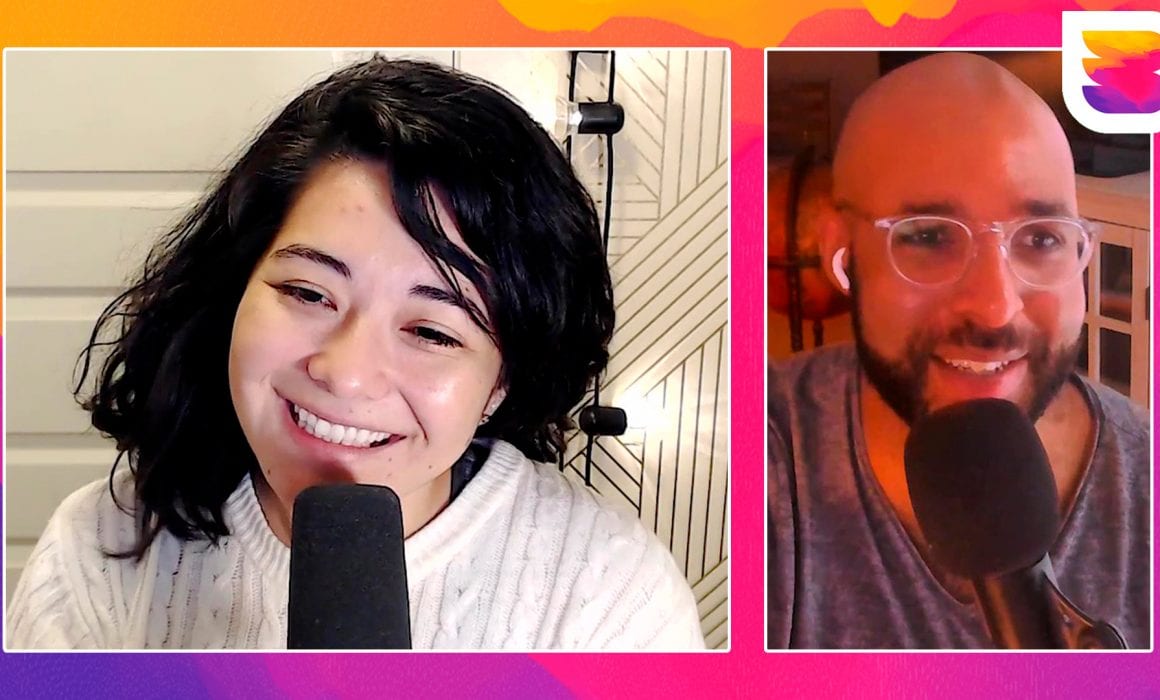
E115 – Organizing the Page Builder Summit 2020, live this week (Nathan Wrigley and Anchen le Roux, summit.camp)

Today we’re chatting with Nathan Wrigley and Anchen le Roux!

Nathan runs the WP&UP podcast and has been using WordPress to build client websites over at Picture and Word since 2015. Anchen runs Simply Digital Design, a boutique studio that focuses on Website and Summit Development on the Day Rate Model. She’s been an avid contributor to the WordPress community for the last 5 years.

We talk about challenges during summit preparations, driving engagements to increase attendees, the role of sponsors, and what people can expect from the summit.

Digital Summit for Page Builders

  • [00:01:33] Who is Nathan Wrigley?
  • [00:04:05] Meet Anchen le Roux
  • [00:06:07] The Page Builder Summit
  • [00:10:18] Organizing digital events 
  • [00:11:50] The website for the page builder summit
  • [00:13:50] Summit branding and behind-the-scenes process
  • [00:17:16] Sponsorships enable summits to happen
  • [00:20:28] Page Builder Summit financial overview
  • [00:26:22] Challenges during the preparations
  • [00:30:00] Live and Pre-Recorded presentations
  • [00:33:44] Driving engagements and more attendees
  • [00:37:52] Tips to increase registration 
  • [00:41:55] Good content, good outcome, people listen

Episode Resources

Podcast Transcript:

Nathan:

What would be on your laundry list of things to watch? There is founders, developers, marketers all sorts and some of it you’ll think that sounds good and maybe bits of it you might want to attend but go and have a look at that page and see what you like.

Joe:

Yo, good WordPress people. Welcome back to The WPMRR WordPress Podcast. I’m Joe. 

Nathan:

I am Nathan. 

Anchen:

I’m Anchen.

Joe:

And you’re listening to the WordPress business podcast. We’ve got Nathan and Anchen. On the pod this week, we had three people. So we just kind of decided to skip characters this way. Because it was like, we’ll just introduce who folks are. We have Nathan Wrigley, Anchen le Roux. Anchen did I pronounce your name correctly? 

Anchen:

Yeah. It’s right.

Joe:

All right, perfect. Well, we’ve got two wonderful folks on the podcast this week. You two do other things with WordPress too, we’re going to talk about your virtual summit you’re throwing here. This is coming out next Tuesday. So it’ll actually I believe be the second day of the summit when this podcast comes out. So folks who keep listening to they can actually go and probably maybe live right now go check out what’s going on at the Page Builder Summit. But first, let’s do quick intro before we talk summit stuff, maybe both of you like, quick, what do you do with WordPress so folks can get a little background? Nathan, how about you first?

Nathan:

Okay. Hi, I’m Nathan Wrigley. I’m based in the UK for the longest time I’ve been building WordPress websites. Well, not the longest time I use Drupal and Magento and things for quite a while. And then about six, seven years ago, moved over to WordPress, and I’ve been using it ever since. And then about four years ago, I decided I wanted to start a podcast. So it’s a little bit like this only it’s got a different name. And I do that quite a lot. And I’ve kind of moved into creating content, which you’ll obviously, Joe, know all about and enjoying that at the moment. So yeah, primarily building a few client websites, but mostly creating content and podcasting and that kind of stuff.

Joe:

Yeah, very cool. And what’s the name of your podcast? You can say we want to shoot some listeners over there.

Nathan:

Okay. So it’s called WP Builds, and you can find it at wpbuilds.com.

Joe:

I think that I’ve seen WP Builds around but I think at WordCamp correct me if I’m wrong, Was it you who was at WordCamp Europe? I think it was 2018. And I saw you with like your podcasting setup at a table there, maybe recording some episode with folks. I can’t remember, I don’t think I’d started the WPMRR WordPress Podcast. So maybe Nathan, you may actually be one of the ones who I should thank for the motivation behind getting started with this podcast. I don’t think it was like that moment. I was like I’m starting a podcast. But I remember seeing that and being like, that’s so cool. He’s doing like Live podcast recordings. I’ve seen people like Joe Casabona do his things like that too. So, you were one of those people who started that fire in me to say, hey, maybe I want to chat and do some audio too. So appreciate that.

Nathan:

Yeah, you’re right. I mean, I just want to say now, No, that wasn’t me. But it was me.

Joe:

Okay. [crosstalk 00:03:15] I was like- [crosstalk 00:03:20]it was embarrassing to say it live on the podcast.

Nathan:

I should probably explain why that happened. Because the slightly disingenuous, if I let you leave that story floating in the air, because I was actually doing a podcast for a different organization called Big Orange Heart. At the time, if you’ve come across them, they’re a charity, or nonprofit in the WordPress space. And for just over a year, we did a podcast together that has taken a pause during COVID as the charity works out in new directions and new angles, but hopefully it’ll be coming back. But I was actually under their auspices at the time. So that’s over at bigorangechart.org/podcasts. That’s a different one.

Joe:

Got you. Cool. I know Big Orange Heart well, honestly didn’t even know they did a podcast. So now, hey folks, should go listen to that podcast too maybe some older recordings, but still probably good content over there.

Nathan:

Yeah.

Joe:

So cool. Nathan, thank you for the intro. Anchen, how about you tell us some of the stuff you do about WordPress?

Anchen:

Cool. So I’m here in South Africa. And I used to be a C sharp developer, but also about seven, eight years ago, changed over to WordPress and yeah, just loved it and started my own agency. So yeah, I do mainly WordPress websites and have now started to focus on the whole direct model where we try and do or work with clients just for one day like a VIP, etc experience. I think that’s mainly, I also do a lot of WordCamps. I’ve organized Johannesburg WordCamp twice now and Yeah, just love being involved with the WordPress community.

Joe:

Nice, very cool. It’s always nice to meet WordCamp organizers on the show much respect for folks who put so many hours and so much work into putting together these awesome events. And yeah, kind of sad that these are paused for no real life meetups here this year and all of next year, but hopefully, figuring out some more virtual things to do and tell folks Anchen the name of your agency, so folks can go check it out.

Anchen:

It’s called Simply Digital Design.

Joe:

Yes, and I know Simply Digital Design, I believe, because I think that’s where I saw the Page Builder Summit for the first time, I think I actually got an email from you. And I was like, this looks cool. I hadn’t heard about this either. And so thank you to your email list for shooting it out to me. And I checked out the website, which is summit.camp, which is an excellent, beautiful domain name. I remember landing on being like, nicely done. And yeah, Page Builder Summit. Which again, this is coming out Tuesday, what date will this come out? [crosstalk 00:06:14] Tuesday, the sixth of October. So today is the sixth. And today is going to be the second day of this summit. 

So maybe we could start off and I’d love to learn a little bit more about why you decided to start a Page Builders Summit specifically? Because there’s folks on this who listen this podcast regularly. No, we just through the WPMRR virtual summit. So I’m like just coming out of summit mode right now we’re like, publishing all our videos on YouTube and all this stuff. And man, it was a lot of work to throw that summit. So I’d be interested to hear all of that about the summit. But I’d love to start a little bit about just like, why Page Builder Summit? How did you two come to the decision about that’s the focus of the summit we want to do?

Nathan:

Should I go? Or shall you go Anchen, how do you want it?

Anchen:

You can go.[crosstalk 00:07:06]It was your idea to do this specifically Page Builder Summit.

Nathan:

Yeah, well, a little while ago, probably as much as two or three years ago, I had the idea of doing a Page Builder Summit, and I got fairly far down the road of organizing speakers. That is to say, I reached out to a variety of people and said, “Would you be interested in speaking” I got a lot of people saying, “yes, I’d be interested in doing that.” And for reasons that, we’ve all been there, right? Just stuff gets in the way life moves on, and you sort of drop the ball. And that’s exactly what happened. I just put it to one side and basically forgot about it. 

And then yeah, [crosstalk 00:07:44] Yeah, just stuff happens, right? And priorities change and things. And then about, I don’t know, about six months ago, probably now. I mentioned to Anchen that this was something that I had looked at in the past. And would she like to join forces and do it together? And the reason that I picked Anchen out? Because she’s done summits before. And as a podcaster, I’ve done podcasting before. And you know, you get fairly familiar with how that works. But as you’ll know, Joe, it’s a fairly straightforward process, putting a podcast together, you kind of organize one episode and deal with that episode and move on and do the next episode. And I was conscious that a summit was going to be more than that. And frankly, anything more than that is out of my comfort zone. 

So I mean, having the information that Anchen had run a successful online summit before and I asked her if she’d like to do it? And very kindly, she said, “Yes.” So I sort of dredged up the Google Doc from a few years before, and we began thrashing the idea around, we actually met in-person at the WordCamp Europe that we mentioned earlier, which was really nice, but I think we’d certainly been meeting in Facebook groups prior to that, but it just seemed like a good idea. I’d got a few people that I could contact Anchen has got all the skills that I certainly lacked, and still lack and she’s done all the heavy lifting with actually making the summit and event and I’ve kind of just ridden on her coattails.

Joe:

Yeah, very cool. I think the… I see a lot of similarities between the two summits that we’ve talked about because WPMRR Virtual Summit. Brian Richards, was the person who I partnered with on that who’s done WooSesh and WordSesh. Because maybe, Nathan we are kindred spirits and having some good ideas and like knowing the things we want to do, but when it comes to actually implementing a live event, so we kind of freeze up and say, “I could definitely use some help here.” And it sounds like we’re both pretty easygoing in terms of admitting where some of our weaknesses are. Because if you asked me to, like do all the technical background stuff of throwing virtual conference, I don’t think our conference would have gone very well and it went very well because Brian was handling it Yeah.

Nathan:

I am weakness all the way down. It’s just a weakness after weakness with the tiny glimmer of I know a few people.

Anchen:

That’s not true.

Joe:

It sounds like he’s eating his humble pie over there. But Anchen it sounds like you’ve thrown digital events before? So it sounds like, when it comes to maybe some of the more technical aspects of here’s how we need to throw this event sounds like that’s a little bit more your wheelhouse. I’d love to hear a bit more about kind of your history throwing digital events and kind of how it led to this Page Builder Summit?

Anchen:

Yes, I did The WordPress Virtual Summit last year. I think it was in August. I think that’s where on the list that you were. That was August and then I just what I did is when COVID hit in March, I think it was in March or start of April. I did like a re-run of it. I didn’t like a host a whole new summit but just but all the recording so it was like a re-run of the summit. That’s basically the history but both of those were on HeySummit. So I used the platform because it was organized fairly quickly so the whole thing was like done in a month or two months. So this time around we wanted especially because it’s WordPress based we wanted to do it on a WordPress website. And but, we used it’s like almost like a summons in a box like a starter websites found from Christa Ray. Yeah, so that’s the main take that we use but it’s pretty much straight forward with price.

Joe:

Yeah, very cool. I love the website we put a site together for obviously the WPMRR summit thought it was a good site I’m on your site now and I’m like, this gives me some good ideas for next year they’ve done some really cool stuff did you use a page builder to build the actual website of the Page Builder Summit?

Nathan:

Yeah, we did. [crosstalk 00:12:14] We have several people to thank actually one of whom is a chap who’s speaking at the summit called Shane Riley. He was instrumental in making our site look as nice as it does he comes from Lonely Viking you’ll see his branding because he’s very kindly been a sponsor and it is built on using a Beaver Builder.

Joe:

Yes, I love the folks from Beaver Builder. I’ve had two maybe three episodes of folks from Beaver Builder on I talked with Robby, right when the podcast started because he was going fully remote for a year and so I wanted to talk to him about and I was going to be doing Beaver Builder stuff? And you’re really like nomadic. And then I talked to a couple other folks as well, I think a bit more of like a technical like, what’s up with the page builder sort of conversation later on. So yeah, and I know a lot of folks who are like, I don’t know if they consider themselves like Beaver Builder agencies, but like people who really use page builders to kind of power their website builds, which is actually why when I saw this conference, I was like, “This makes total sense.” Like in my mind, it totally clicked. There are so many people out there who love WordPress, but who are really like, Page Builder people. Gutenberg adoption is becoming more and more frequent, but there are a lot of big communities around there, Beaver Builder Elementor just name a couple.

There’s big audience out there for folks like that. I kind of wanted to ask also a little bit about the branding of the summit? And kind of the overall design, I guess of the website too, but also like the logo is really cool. Was that kind of a combo project between the both of you or did you get a little help with that? Or was that like one of you kind of focus on that part of it because WPMR seminar that was pretty good. It kind of just uses our WP Buffs brand name because like we through the conference, we were like, well use our branding, like it’s our conference. But this is kind of seems like a standalone conference. I love the branding. So I’d love to learn a little bit more about like that. And then like the process behind like putting together really good branding behind a summit like this?

Anchen:

[inaudible 00:14:29] So the branding was all from the Lonely Viking from Shane. So he-

Joe:

Nice. Shout out Shane.

Anchen:

He came up with the logo concept and then main brand colors and things. So the layout and stuff, mostly followed our own ideas and some of the templates in this summit in the box. But yeah, branding was mostly on Shane.

Nathan:

There’s a nice little nod, if you look the branding in some of the areas for example, where there is images of speakers, you get like a mix up a little mashup of a few Page Builder bits and pieces thrown in. [crosstalk 00:15:13] So for example, there’s like a little bit at the bottom where their name is, and that alludes to the elemental interface. And then there’s these little blue bits going around the edge, which have got little dots that you can grab and widen and narrow. You can’t actually it’s an image, but if you were in the Beaver Builder, Page Builder, you could so is very clever. He’s remarkably clever chap, Shane, and he’s done us proud, I think.

Joe:

Yeah, I mean, those are the things that if you hadn’t added those, I don’t think it would have taken away from it. But the little attention to detail, things like that, to me it tells me I mean, honestly, maybe one of the reasons why I wanted to have you two on because I was like the attention to detail was paid. And it shows that there was care put into every aspect of the summit, which I thought was cool. I love that. The first time I saw it, I put my mouse over it, I was like, Whoa, can you really like drag and drop? Just an image. But the design of that I think is really cool. I remember seeing that being like, that’s a great nod to the Page Builders that we’re doing. And again, that attention to detail to me is like, you can get things really right, like functionally and design wise, without every single detail being paid attention to but like that, really, I think is like the cherry on top like makes me really like, of course, I’m gonna go attend this summit. It’s gonna be awesome. 

One thing I did want to say, because you talked about sponsors, WP Buffs is a sponsor of the summit? I just want to throw that out there. I don’t know, for full transparency. Another reason you have an awesome website and an awesome sounding summit. I remember seeing and being like, “we should sponsor this.” And then I think Nathan we like chatted in like for slack messages. And then we’re sponsoring so yeah[crosstalk 00:16:55] Yeah, for anybody throwing virtual events out there. Yeah. And you’re very welcome. But anybody throwing virtual events like these little attention to detail things are the things that get folks like me to say like, they really care about the summit, they’re gonna throw a great summit. Well, I’d love to be involved. That sounds really cool. 

Nathan:

Can I just interject there, do you mind? Because, I’ve got this bee in my bonnet currently about the sponsors of which you are very happily one. And that is that until I was part of this event, I had a really interesting and difficult relationship with sponsorship, shall we say, it was a thing that kind of it was there to be avoided. In a sense, I don’t mean that the way it’s just come out, but you know, it was something that could be avoided. Now that I’m sitting on the other side of the fence, I really want to impress upon people that without sponsorship, and without there being some reason to do it, you cannot put the amount of time in that something like this needs to be put into. We’ve spent a long time doing this. 

And so we made the decision, we’ll put sponsorship in place. And we’ve just been blown away by the amount of people who have sponsored it. And although I won’t list them individually, you can go and find that out by looking on their website. I am deeply, I don’t even have the words. I am enormously humbled. And this could not happen without those people, those companies, those organizations who have enabled it, and I’m just delighted that they’ve come on board, and I really am hoping that we can give them something in return.

Joe:

Yeah, that’s a perfect segue into what I wanted to chat about next, which is the sponsorship piece because, there are few different ways to throw away virtual summit. So let me talk quickly about how we threw the WPMRR Virtual Summit, we did not really have sponsors, the way that we made things financially viable was we kept the conference pretty lean. I mean, we didn’t spend $50,000 throwing virtual conference or $100 000 on a virtual conference, we tried to keep it, as lean as possible. And then we funded it through WP Buffs. I mean, it was an investment of our company that we put into creating the summit, didn’t have sponsors, so we weren’t able to kind of recoup our costs that way or make the event profitable that way. But we do have a nice list of folks who we can reach out to see if they’re interested in our let’s say our White Label Program, this was for WordPress professionals, right? So maybe folks want to sell care plans and have our team do the fulfillment on that. 

So we kind of look at our like lifetime value of an average client and say, Hey, if we get to people who sign up for a White Label Program, the lifetime value will easily cover the cost of the summit and kind of full transparency. The total cost of our summit was probably like 15K, I’d say. So some of that costs was on Brian, just because he was a big consultant on the project. And he could just make sure everything ran smoothly. And there were some other costs as well. I’m not gonna do a full breakdown here, because I actually probably don’t know off the top of my head. 

But around 15K was probably what we invested into, throwing that summit, I’d be interested to hear kind of what your model is, in terms of the Page Builder Summit? Is this an event that you’re trying to make profitable? Is this like an event that you’re trying to make something that actually makes you money via sponsorships to actually come out ahead of the summit? Or maybe you’re trying to like break even this year, and throw a good event, and then maybe next year, you’ll think about making it profitable? Or maybe it’s just like, this is a breakeven event for you that you’re interested in? Maybe potentially getting clients from in the future? I’d love to know kind of what the like financial thinking is behind the summits? I think there’s a lot of different approaches to it. But I’d love to know kind of what yours is, in terms of in terms of your summit?

Nathan:

Do you want to go Anchen, or should I?

Anchen:

Yeah, I can and then you can just add to it. So I think for both me and Nathan, the audience isn’t really specifically our audience that we usually see as clients. We didn’t do it. I know, there’s plenty, that’s one of the biggest list building things that you can do as far as summit. But in our case, it’s not really. So we did from the start wanting to make it as profitable as possible. And mainly because we put so much time in it. So at least, covering the time that we actually spent doing, because we did for most of it, we did it ourselves. So we have a little bit of outsourcing few things. So but we really try to, as you said, keep it lean and then not spend a lot of money outside of our own time on it. Yeah. That’s what I think. Nathan you can add to it.

Nathan:

Yeah, I think also, it’s fair to say that we didn’t… Because we’ve got this new brand, which we’ve described earlier, summit.camp is the URL. Right at the very beginning, we didn’t really know which way to go with that. That is to say, I’ve got a podcast. And there was a potential maybe we could hook it up with the podcast, but the decision was made both of us I think felt it was the right decision just to have something totally separate that could maybe be a summit thing going into the future. It’s fairly agnostic, isn’t it? If you’ve got the domain summit.camp, you can go in all sorts of directions with that. But this is the first piece. And I don’t think either of us had any expectation. But we knew that there was nothing coming off the back of it in terms of an upsell. That is to say, at the end of the summit, there was going to be no further thing. After the summit had concluded it was just going to be here’s the summit, this is what we’ve got for you. And three months after, that summit, it’s all wrapped up. 

Whereas It sounds like you had a different set of permutations and thoughts in mind for your summit. So we thought to ourselves, well, let’s try not to lose money. And let’s get some sponsorships and good grief totally surprised and delighted, as I said earlier there’s so many sponsors, it’s been remarkable. And so that’s kind of how it worked out. There was no thought to have this as something that would lead back into further business for us, or anything like that. Because it’s just completely disconnected from what either of us do. And so yeah, that’s how it’s worked.

Joe:

Yeah, it’s super cool to hear, like the different ways you can monetize something like this. I think it’s always interesting, when you’re throwing a virtual summit. I’m sure you guys went through this in a lot of the decision making process before you launched, before things really started moving. And we went through this too, is kind of like, how can we throw an awesome event and bug people as little as possible with extra stuff? Because like me, we reach out to people afterwards to see if they want to join a White Label Program. Like there’s some like sales and marketing in that. And of course, our team is super respectful and all that. And people can unsubscribe from emails if they want to, and we’re not sending like 10 emails to people afterwards being like, sign up, sign up, sign up. 

But like, that’s how we decided to say like, we’re going to throw this event that like, literally you’re going to jump in and like you’re just going to see content. And like then you’re going to maybe get a few emails from us afterwards. And that’s your payment for coming to the free summit. But I can see why some people might be like, bugged by that I did this free thing. Now, they want a little bit more from me I totally understand that. We didn’t have to like, one like deal with sponsors or have like big slides up that have sponsors and stuff and have to like promote sponsors the whole summit but and that I’m not saying like there’s one right decision or one not right decision, I think the other way is, sounds great. Also, you put some slides up and you promote sponsors. And you actually, I think there’s a lot of great ways to be able to promote sponsors, without bugging people, and like really do it in genuine, good, positive way. I’m sure you guys have thought a lot about that. But then you don’t have to bug anybody afterwards, right? So there’s always trade offs to make. And no matter how you’re going to monetize a virtual summit like this. 

There’s going to be something you have to do to monetize it. Right. And not everybody may be totally happy with that all the time. And that’s just kind of how it is. But yeah, okay, let’s talk about a little bit more like technical aspects of the summit. Because it’s next week, you guys are probably thanks for hopping on by the way. I’m sure you guys are like doing all this last minute stuff here and there. We got to get this figured out. The last week for us was like, our Slack channel for the summit was like, it’s totally crazy. It took so much stuff happening. But what do you think its been the hardest part of throwing the summit so far anything either really gone wrong, or any big challenges? You felt like, that was the thing that was the biggest stepping stone for us?

Nathan:

Should I go first this time? 

Joe:

Yeah. 

Nathan:

I think for me, because I’ve never done it before. And the timelines were not entirely clear to me, that’s been my biggest issue is just figuring out how far back you’ve got to go in order to make things happen in a timely way. And it’s the usual tripwires of you fail to do this thing by week, three, or whatever it might be. And then the consequences of that tripwire being missed. And just lots and lots of things like that, where you know, you miss it by a couple of days, and then there’s an impact slightly later down the road. And all of a sudden, you’re in the point where you’re trying to do four things at once, instead of two things at once. 

So that’s been quite interesting. And also, because Anchen had done this before, and is really familiar with the process that she has got. I’ve had to learn that, I admit, pretty badly. But I’ve tried to learn the process that she’s got, I think I’ll be better at it if we do another one. Because I’ve probably learned things like email sequences that need to be done and documents that need to be filed over here and documents that need to be filed over there and so on. But it’s been the timeline has been a real surprise to me.

Joe:

Yeah, timelines are challenging. It’s hard to know, timeline for the actual summit. Like when are we throwing it? How are we going to format all this? What’s the schedule look like? Like, that’s the whole thing. And then there’s working back from that and being okay, how many weeks do we need to prep for this? Like, what are all the things we have to do to get here? And I’m sure, I don’t know about you. But every week for us, we were like, we forgot these three things. Like God add them into the schedule, there’s always new things to do, that you hadn’t quite figured out. And probably for us, it was like 30% of it was like planning out everything. And 70% was like reacting and like figuring out things to correct or just like make sure, think about things we hadn’t thought of in order to make sure we do them. So I totally get that challenge. Anchen anything for you that you felt like was a big challenge for prepping for next week?

Anchen:

I think it’s always a challenge when doing a summit. It’s been like that every time. It’s the speakers, but not that there’s obviously we are it’s awesome. And we’re so grateful for the speakers without them there wouldn’t be a summit, but it’s just we’ve got so 37 presentations, and it’s so huge and just individual people that you have to work around with deadlines and getting them scheduled and we also we are like all over the world timezone wise from America to Australia. Everything around that. It’s just challenging, it’s fun.

Joe:

Yeah, that is a Super Challenge. I mean that for us. The way we tried to get around that a little bit at the WPMRR VS was we only had 14 or 15 speakers. So the hurting of the cats was a little bit less voluminous. But you’re working with more than two times that many folks. And so I know, I didn’t do any of that wrangling myself. But I know Brian did it. I know how much time and energy it takes Brian to put in just to… He has a huge Google Doc of like all the speakers and their descriptions and their title talks. And then there’s all I mean, a million details for every single speaker and then they have to go into the calendar and the schedule and it all has to work out right at the end. I mean, a ton of organization around that, so totally. Are you doing everything talk live on the summit or some pre-recorded or are most pre-recorded and then it’s goes up how is that working?

Nathan:

We decided to tape because there were 37. We decided to take the approach that we would ask for submissions to be in advance. So we now are in possession of a significant amount of the content that we need to put out for the summit next week, we’re getting there. And then what we’ve decided to do is we’re going to introduce pre-recorded like a video, I’ve been doing it like moments before we got on this podcast, pre-recording. And in that way, I think we’ve just decided we want our anxiety levels to be less.

So it’s going to be an introduction live at the beginning of the day. That is to say, just sort of introduce what’s going on that day, and nice little chats, a bit of a chance to get to meet people and whatnot. But then each presentation is simply going to be the video available for the remainder of the day that it’s published, I should say. And it’s pre-recorded, we just decided that was the most effective way. But there is going to be a live chat and the speakers have committed to be available during the live chat. Should people have questions that they wish to be answered.

Joe:

Yeah, very cool. I think that’s super smart. I think your anxiety levels and stress levels will probably be through the roof right now. If you were doing every session live, and everybody had to be online at a certain time you had backup plans for everybody. Just make sure you can hop on if that person can’t bump. No, I don’t think that’s possible. We were doing 15 speakers. So when we started I was actually like, we should just do it live like, it’s like different than other people do it. Like it couldn’t be live like the stuff you do Brian, right, like WooSesh, and WordSesh like you do those live? Because I’ve been and it seems very live. And Brian just looked at me. And he said, Nope, we pre-record everything. 

And I’m just good at editing and putting on the production. So it feels live. And of course, we’re not trying to like lie anybody to tell like it’s live? Not really. It’s just he makes it feel like you’re really engaged in the content. And it’s happening right now. And I think that… And I was like, well, then let’s just do it that way. Because that sounds easier and less stressful. I think that’s really smart at the end of the day, because you have the content, and you can pretty much, maybe minus some technical aspects of day of running it. Everything’s like ready to run and roll through. So yeah, [crosstalk 00:32:54] Still more that we did it.

Nathan:

Yeah, I think that also, there’s quite significant pieces of the content, which it would actually be quite beneficial to pause perhaps now and again, there may be a bit that wish to hang on, what, how did they do? What was happening there? We’ve got various people who are presenting their screens and their writing code, and they’re doing all sorts, fiddling with Page Builder settings, often and perhaps there’s a benefit. I mean, it’d be nice if people just press play went through to the end live with us during the hour that the speakers there, I think that would be the ideal, because then we could all chat about it, but equal equally nice to have those options.

Joe:

Yeah, totally. One other thing I did want to chat about was kind of like driving engagement and driving attendance and driving registrations kind of like, throwing an event where people will register and show up. We did some focus on that in terms of like marketing the summit, obviously, I have my podcast, this podcast where you know, I was chatting about it, during pre roll and we push it out, we have good traffic on the WP Buffs blog. So we were throwing it out there. And we shot some emails to our email list with like, who speaking and some prep stuff. But I saw some stuff come from Page Builder Summit that we sure did not think of, and I’ve actually never seen it in another virtual conference before. One of those emails I’m looking at right now. I just got this email from Page Builder Summit. 

It was yesterday, it was 22 hours ago. It’s like a quiz people can take so that they can choose which attendee, excuse me, which talk they should attend. And I clicked on it. And I was like I want to grow my business. I want to focus on sales. And it comes up with you should attend these talks. And I thought that was really smart. And it’s a great touch point for people to show again, we talked about the images on the website with Page Builder stuff attention to detail, like this is another super attention to detail thing. Maybe it’s just throwing a good summit thing. But I think that like I thought that was really cool. Whose idea was that? And who’s doing the email stuff? Most emails I see. I’m like, I gotta steal some of the stuff for next year.

Anchen:

Yeah, so well, it’s not really my idea, because I didn’t see it in other summits before.

Joe:

Okay, cool.

Anchen:

I’m just copying what I’ve seen before. But I didn’t have to figure out where the difference at the beginning, I wasn’t sure that we would be able to have these different categories. But it was actually really awesome how it worked out and how there is like, a certain amount of, towards each of the categories, so we’ll be happy with how that turned out.

Joe:

Yeah. Very cool. I mean, one of the things, at least I’m seeing as a difference between Page Builder Summit and WPMRR Virtual Summit, is because we threw the summit ourselves, and we made that decision, and it was kind of self funded. We had limitations in terms of the things we could do and the hours we could put in, because I’m seeing so many sponsors on the homepage. I assume that Page Builder Summit has a little bit more leeway. I think in terms of time you can dedicate to it and resources you can dedicate to it than WPMRR Virtual Summit had. And I think there are a lot of advantages to that. Honestly, I think like if we had had, I don’t know, $25,000 and sponsors, or $50,000 in sponsors, I don’t know how much we’ve could have expected. If we had had some funding, we could have put more time into do more things. 

But we were focused on throwing it pretty lean. And making sure that like we’re just doing a great summit. And if the content was excellent, which it did, we did that. And to put some emails together, it’s not the biggest dedication of time or resources, but it’s just another thing to do, right and you have 100 cool things you want to do. Maybe we can only do 10 of them all, but maybe Page Builder Summit, because you have a few more resources from sponsors, you can actually do maybe like 50 of those 100 things or 60 of those hundred things. 

So anyway, I just want to call that out because I thought that was really cool. Thank you for being honest and saying you saw it elsewhere. That’s pretty much all of us. Right? Anything cool we do most… Everything cool I do. I’ve probably seen it somewhere else. Right. So I got the idea from somewhere else. So yeah. And anything else in terms of like driving attendees, and driving like registrations because that was the part that I think we were pretty focused on it.

But again, we were more focused on throwing a great event. And we were using our resources to get folks there any strategies you too used in order to like drive registrants? Or were you kind of just like, well, we got sponsors, maybe we can ask them to throw in their newsletter or like, how do we get in like Tavern? How does WP Tavern, throw out in a blog post about this or any strategy? Or is it kind of just mostly organic?

Nathan:

I’ll say my piece and then I’m sure Anchen got things to add. As you will know, Joe, if you’ve been doing a podcast in the WordPress space for any length of time, you become friendly with some people who you may not have met in a different life. And I’ve been extremely lucky to have interviewed many of the people that I was just like, starstruck by several years ago. And a lot of those people have been very kind in return in offering to put things in their emails that they send out, or speaking to their list or mentioning it on their own podcasts and what have you. And that’s probably the most I’ve got to say on that. I’ve just been very fortunate in that I’ve met some people who are able to well, how to describe it just philanthropically saying nice things about the summit, because I think they think it’s a decent event.

Joe:

Good to hear Anchen, how about you any? Anything else you did?

Anchen:

We also asked all the speakers to be affiliate so we are paying out affiliates a percentage to them. So they are motivated to share with their own audiences as well. And we are running a little bit of Facebook ads as well. It’s not a lot, but I think, honestly, getting spiritual streams is definitely one of the biggest challenges. So, that’s definitely something that we could maybe hint out to be there next time. But what we’re we doing is still doing very well?

Joe:

Yeah, there’s always more you can do. And that’s good. You should always be learning about different things you can do. Next year, we didn’t do any Facebook stuff. I’m very averse to like paying Facebook money to do stuff, which I’m sure most people are. And I think that… But I heard a lot of people get really good results from it. So I almost did it. And I just kind of at the end of the day, I was just like, I don’t, maybe next year, like I just don’t want to think about it right now. But I think that, like I’ve heard people like you even spend like $1,500 you can get like 1000 registrants and like, that’s okay. Well, that’s great.

So I don’t know exactly what your numbers are and stuff. But I think Facebook ads are definitely interesting experiment that people can try if they’re trying to drive especially like free registrants. Not something you have to do. Hey, book a call with us, hey, pay us for this. No, it’s free thing. It’s super awesome. Here are the speakers register. So I think it’s cool. The one other thing Nathan, I wanted to touch on was, I mean, you’ve been very humble in this podcast, which I very much appreciate. 

And saying that you have all these guests who you’ve had in the podcast were very nice to be able to share, some of the content that you’ve put together, like this summit, I don’t want to short change you in terms of the time and the effort you put into building your podcast and to building your network, whatever, quote, unquote, “building your network,” but just like being part of the community, you’ve been doing this for years, and those years of time and energy and dedication that you have put in, to being a good person to being someone in the WordPress space who people are like, “Nathan’s great.” I mean, that clearly has led to people wanting to share your stuff, right? There are people in the WordPress space who if they asked me to share, I probably wouldn’t share their stuff. I mean, I don’t know, some people. Just not, I don’t connect as well with those people. Right? I guess put it nicely. 

But most people I really like and if someone wanted me to share their stuff, just this morning, someone emailed me and was like, Hey, can we do this team up thing? And I was like, Yeah, I like you, your stuffs good. So I think, I don’t want to take away from the fact you put yourself in a good position for people to do good things for you. So nice job. 

Nathan:

It is an unexpected consequence of trying to produce content for four years. It wasn’t the intention. It still isn’t the intention. But it is a delightful, unexpected consequence. And I’m very, very happy for that. 

Joe:

Yeah, I think it’s those kind of outcomes that tell you’re on the right track. It may not be your goal, it may not be your points for people to give you stuff back. But it means people appreciate you, means people appreciate your content, means people think what you do is valuable. And because they’ve given that back to you. It shows that you’re doing something. Right. And I think, a lot of times that’s the hardest part, which is just like, Am I doing this? Right? Like, I don’t know, I guess I’ll keep going and keep going and getting some of that feedback is good. Like, every time we get an iTunes review, I’m like, great. We’ll keep doing episodes, because one person thought it was good. I’m revamped, and we’ll keep rolling our stuff. 

Nathan:

Yeah.

Joe:

Cool. Okay. Summit is this week, summit.camp go register, attend. There was some stuff we didn’t get to chat too much about today. I mean, I get to talk about like, every single aspect of the summit, but I think we touched on like, big points of it. And yeah, I mean, I’m excited to be a sponsor. And honestly, I guess I’m excited for our company to be a sponsor. But me personally, I’m just excited to attend and learn more about Page Builder stuff and things people are doing with Page Builders, so that we as a company can do a better job helping folks like manage Page Builder stuff and know what’s coming down the pipeline. 

So we can even do a better job as a company as well, because we’re definitely not perfect. We have got our ways to go. And so that’s why I love attending these things, because I get to learn about this stuff. So let’s start wrapping up. Obviously, like summit.camp is where folks can go to register for the Page Builder Summit 2020. Anchen where can people find your stuff online? If they want to reach out and I don’t know if you’re on social, website, that kind of stuff?

Anchen:

I’m going to start with the agency website is just simplydigitaldesign.co.za it’s South Africa.

Joe:

Very cool. And Nathan, how about you? 

Nathan:

The best website that I could mention would be wpbuilds.com. That’s where the podcasts lives and where all of our episodes reside. And yeah, just one last URL would be, go and look at the summit camp website with the speaker’s schedule, which is summit.camp/schedule, because it might be good to figure out what would be on your laundry list of things to watch. There’s founders, developers, marketers, all sorts and some of that you’ll really, you’ll think that sounds good, and maybe bits of it you might want to attend, but go and have a look at that page and see what you’re like.

Joe:

Yep, I am on there right now. Great cast of characters, a lot of folks. I know, mostly summits I go. And I see a lot of folks I know, but then there’s usually a lot of folks, I don’t know, and I think that’s great, too. It’s like folks who are, I’ve been doing WordPress stuff for seven, eight years. I’m starting to be one of like, the OG WordPress people. And there’s a new crop of WordPress people coming up and doing new stuff. And I am always interested to see like, who are the new people that I haven’t met yet, or I haven’t seen their stuff yet. We’re probably doing some incredible stuff. So yeah. Some of the people who are speaking, folks like Chris Lemma. Folks like Pikia Pichia. I’m sorry, if I’m getting your name wrong.

Nathan:

Yeah. Picky, yeah.

Joe:

Picky, I got it. Yeah. Robby, obviously Beaver Builder, some folks people will know, but some new faces as well. So I’m excited to… I’m gonna put on my calendar to attend, not just the folks I know, but some of the folks I don’t know, as well. So cool. Last thing I like to ask our guests for is to ask our listeners here for a little iTunes review for us. So maybe Nathan, if you wouldn’t mind asking our listeners for an iTunes review, I’d appreciate it.

Nathan:

You would like me to do that now?

Joe:

Yes please.

Nathan:

Sorry. Just to clarify you would like me to get your listeners to give you an iTunes review. That’s cool. That’s a great thought. What a brilliant genius thing at the end. I like that. Okay, so I think if you have an ounce of common sense, you should head over to iTunes right now. And there’s a splendid review engine there. And actually, if you use that review engine, you will enable this podcast to reach a much bigger audience and this is not trifling stuff. It makes a huge difference as a podcaster. If people review you, whatever algorithm is at play from Apple. They seem to control the case of the kingdom one review enables the podcast to have a much bigger reach. So if you’re enjoying this podcast, please it takes you four seconds but it will make a big difference.

Joe:

Appreciate that, Nathan, if people have or excuse me, if people leave an iTunes review for us make sure you leave a comment. You can always leave a five star if you want to. But a comment helps us know, this episode was really good. Or maybe something you’ve learned from this episode. So that we can send a screenshot over to Nathan and Anchen so that we can thank them for the nice review. If you are a new listener to the show, I don’t know what episode this is going to be. I think, we’re like 110 or 100 and something 100 plus, so we’ve got 100 plus old episodes during this semi quarantine time. 

Don’t go binge or whatever new HBO show or your Netflix show. Why don’t you binge old WPMRR WordPress podcast episodes and help yourself grow your business? iTunes reviews we talked about that but wpmrr.com/iTunes redirects you right there makes it super easy to leave a review. If you are a listener who wants to have your question answered, we do Q&A episodes Chrissy and I do some Q&A episodes every once in a while we’ve itching to do a new one. So you can shoot an email into yo@wprr.com. And you’ll get your question answered live on the show. Isn’t that fun? Those are some of your favorite episodes. So any questions you have shoot them in wpmrr.com. The 2020 summit is over. 

So if you made it great, if not sorry, you missed it, but we’ll do one a 2021. Until then, we’ll have every session is on youtube for free. And they were really good. I was super impressed. I was more impressed than I thought I would be with the content, honestly. And so I think people want to go and subscribe on YouTube, or check out some of those videos. You’re more than welcome too, there are probably a bunch of buttons on the homepage that will send you right there. So that is it for this week. We will be your podcast players again next Tuesday thanks again for being on Nathan and Anchen appreciate.

Nathan:

Very much.

Joe:

Good bye.

Podcast

E114 – WPMRR and the women of WordPress

Every day we strive to head towards a more diversified and inclusive WordPress space that is representative of everyone.

Tune in to today’s episode of WPMMR to hear from our guests who are some of the amazing women of WordPress!

Listen to full episodes below:

Podcast

E113 – WPMRR on WordPress as an Open Source Software

Have you considered switching to headless WordPress, or have you already jumped into open source and want to know it’s current and future state?

In today’s episode, we’ve compiled remarkable discussions with some of our developer guests on gaining more market share, the advantages of self-hosted solution, how WordPress can lead the open source space, and transitioning to a headless WordPress. 

What to Listen For:

  • [00:01:50] Is the WordPress space truly open-sourced?
  • [00:05:05] What is open-source software?
  • [00:07:17] Hear out Matt Giovanisci of moneylab.co 
  • [00:12:10] The Money Lab podcast  
  • [00:14:55] Will WordPress continue to lead the open source space?
  • [00:17:00] The top 10 Million sites and their market share.
  • [00:20:14] WordPress.com vs WordPress.org
  • [00:21:35] Is WordPress.com more profitable when it comes to gaining market share?
  • [00:22:49] How do you prevent spreading hate using an open source platform?
  • [00:24:19] What are the advantages of a self-hosted solution?
  • [00:27:55] Using a little slice of platform vs creating your own platform to fit your own sourcing needs. 
  • [00:29:25] Cheapest hosting plans and free hosting accounts.
  • [00:31:38] Pure WordPress vs headless WordPress
  • [00:34:10] Developers should build frameworks and tools to make it easier to move to headless WordPress.

Listen to the full episodes:

Podcast

E112 – How to have virtual meetings that are highly effective, actionable and impactful

Today on the WPMRR podcast, Joe and Christie talk about the downside of virtual meetings, great apps to use for small and large conferences, and the best practices of Zoom meetings.  

Listen in for exciting tips for more relatable virtual meetings! 

What you’ll learn:

  • [00:00:35] What’s up with Joe this week?
  • [00:03:26] What’s going on, Christie?
  • [00:07:47] The 90-minute live online training conducted by Christie with Nexcess employees.
  • [00:15:12] Do meetings really suck?
  • [00:17:58] The basics of virtual meetings.
  • [00:20:44] Every little detail matters, come prepared.
  • [00:23:03] App security of Zoom – the Waiting Room.
  • [00:27:02] Best practice in Zoom meetings: Assign a Note Taker
  • [00:31:59] Recurring meetings: documentations, attendees, topics, and ongoing assignments throughout the week.
  • [00:34:39] Meeting preparation beforehand to not waste time.
  • [00:37:22] Build a culture around proper documentation.
  • [00:39:16] Quality of feed, don’t let technology get in the way.
  • [00:45:36] Punctuality is essential, be on time.

Episode Resources:

Podcast

E111 – 12 Customer acquisition strategies that drive smart growth (part 2)

Today on the WPMRR podcast, Joe and Christie get detailed on how lead acquisition channels work, why it may or may not be good for the business, and the right approach for beginner, intermediate, and advanced level businesses.  

Listen in to learn how to generate new leads! 

What you’ll learn:

  • [00:00:42] What’s up, Christie?
  • [00:03:56] The 14-day trial of Managed WooCommerce at Nexcess
  • [00:06:15] What’s keeping Joe busy?
  • [00:09:52] Last episode talked about lead acquisition channels.
  • [00:13:09] Friends and family as beginner leads. 
  • [00:19:26] Zone into referrals immediately after the friends and family network. 
  • [00:27:58] Drive organic traffic to your website using valuable content and SEO strategy.
  • [00:37:02] Different kinds of paid ads. 
  • [00:45:57] Events (virtual and in-person) are expensive and take a lot of effort with slow moving results. 
  • [00:54:06] Affiliate programs have a lot to do with influencers.
  • [00:59:10] Take advantage of marketplaces through syndication.
  • [01:02:35] Community promotion, the fun way to get press and publisize your business. 
  • [01:05:20] Influencer marketing works by talking to people with audiences, building and maintaining relationships.
  • [01:11:50] Podcasting works for intermediate level businesses.
  • [01:12:33] Post all valuable information about your business for the press to write about.

Episode Resources:

Podcast Transcript:

Christie Chirinos:

And so, SEO really changes as you go from the beginner moves and then from beginner moves to the advanced moves, and it’s important to stay on top of that and evolve, and remember that you’re building a house.

Joe Howard:

Hey, hey. Good WordPress people, welcome back to the WPMRR WordPress podcast. I’m Joe.

Christie Chirinos:

I’m Christie.

Joe Howard:

You’re listening to the WordPress Business podcast. Christie, what is going on this week?

Christie Chirinos:

Oh my gosh, not much, Joe. I almost said I’m Joe, just for fun. That happened to me a couple weeks ago. I’ll try it someday and see-

Joe Howard:

Hi, I’m Joe. Hi, I’m Christie. Hi, I’m David.

Christie Chirinos:

Yeah, we should switch up our name or something.

Joe Howard:

Hi, I’m Shelley, yeah.

Christie Chirinos:

Yeah, I don’t know.

Joe Howard:

Or random names. We should go with random names.

Christie Chirinos:

We should come up with new names. We should introduce ourselves by our middle names. Oh, wait. My middle name is Christie. Well, okay. Things are good. Things are good. I’m hanging out. It’s very rainy in Austin, Texas this-

Joe Howard:

Rainy.

Christie Chirinos:

We’re recording on September 3rd, and it’s very rainy. And that’s unusual, I think since I got here, I couldn’t count on my fingers the number of rainy days we’ve had. I guess that’s just the Texas sun and heat, so I’m experiencing more of the breadth of Texas, I guess, but it’s unusual for sure. I’ve very much gotten used to every single day as beaming sun. So, that’s-

Joe Howard:

Yeah. Austin’s known for that. It’s like, come down here, every day is nice, but I guess you have to endure a few rainy days.

Christie Chirinos:

I guess so, or a rainy week. That’s what’s been weird. I’ve had little flake, flash rains and things like that, but then they go away and it’s all back to sunny and beautiful. So, I’m a little bit like, oh, this can persist here. But it’ll go away and then the sun will be back again. Other than that, I’m just hanging out. Nexcess, we have a bunch of exciting stuff going on with the management commerce product. I was just telling you before we started recording that we just got off of our all hands. It’s a cool, the company does, a little bit of insight into the world. The company does all staff meeting once a quarter, and so it’s everybody from the unit logs into the Zoom call and our executive team gives presentations on the status of different things, and then everybody can ask questions. It’s kind of cool because, I don’t know, for me, I talk to our executive team every day because … not all of them, but most of them and my boss is one of the executives.

Christie Chirinos:

But even if you’re a support tech or working in a marketing execution role or things like that, you’re still in this meeting and you can ask the COO a question if that’s something that you want to do. I think it’s something that’s really cool that happens within the Nexcess unit at Liquid Web. I don’t know. I like stuff like that, some people are very cynical about stuff like that, but I love it. I love big all-hands meetings where everybody comes together and we’re all like, we’re here, and we do small talk. It’s the best.

Joe Howard:

What kind of things do people go over? Are the execs going over the financials for the last quarter and stuff, or is it more operations like new features we’re releasing and what roadmaps look like?

Christie Chirinos:

Operations and initiatives, we work against a lot of financial targets, and so comparison to targets and definition of targets, where those targets are, where we are and where we’re going in terms of financials in broad strokes get discussed. But for the most part, the discussion is about operational initiatives and key projects, if that makes any sense. So, we’ll talk about things that the support team is doing to be even better. My boss, the VP of product will give a presentation about cool new things coming out and the product and things that we accomplished since the last quarter, stuff like that. So, like I said, I really love that kind of stuff. I’m the person that’s in the chat making comments and engaging and shouting out people, and that one of the big things that is cool-

Joe Howard:

Wow.

Christie Chirinos:

I know … about what’s going on is [inaudible 00:04:18] a report on the … We rolled out free trials. You can get a 14-day free trial of managed route commerce at Nexcess, which is interesting. Think about the last time that you could just kick around hosting without paying for it, it’s unusual. And so, it was a product vision thing that we wanted to see if it would work, and it totally is. It’s converting at a significant rate. I don’t know, people were excited about that, and it was cool to see a project that I was involved with.

Joe Howard:

Yeah. That’s interesting. Free trials and hosting, I feel like it’s risky because you have to support a ton more users, even though it’s just for 14 days. It could be a lot of people in that 14-day window, and so you’re paying for a lot of extra, what I’m guessing, server costs and stuff like that to support those free users. So, you have to see some pretty significant conversion from those free trial users into paying customers. It sounds you’re figuring that out or it’s figured out and now you’re continuing to optimize and make more improvements. So, that’s good. We did a free trial with WP Buffs. We went back five years ago when we started with a 30-day free trial, and then we moved to 14-day free trial, and then we just had people pay upfront, but it totally did not work at all.

Joe Howard:

We attracted the worst quality customers. But when maybe you’re the scale of a Liquid Web and hosting is the kind of thing that’s so sticky, maybe the conversion rate’s better. Plus you have a whole team. I’m sure it’s literally working on conversion optimization from pretrial. So, good, I’m glad. That’s good news.

Christie Chirinos:

All of those things are true, but there’s a lot of work that goes into it behind the scenes to make something like a hosting free trial work. Like you said, support managing, support load and server resource allocation is key. Security’s the bigger one. And so, we had to do a lot of work to make it so that you could fully experience the product well existing in a more secure environment. But we did it, and it’s working. My work news today are like, I’m feeling good at my job. You ever had those days that you’re feeling good at your job?

Joe Howard:

Every once in a while. Good. Cool. What’s new with me?

Christie Chirinos:

What’s new with you?

Joe Howard:

Not a ton. I’m continuing to work on … I mean, biggest thing with me is new head of growth. Alec is working on stuff. I’m handing over a bunch of stuff to him, and that’s been pretty smooth so far, so that’s a big thing. Working on a lot of the growth levers at WP Buffs, I guess. So, like the affiliate program, we’re pushing things forward there, YouTube stuff, Alley’s working a lot on that. There are a few other initiatives for pushing forward on content and video stuff is a big one. That’s the, I guess, big area I’m focusing on right now. Summits coming up, so that’s coming together and looking really good. So, also excited about that too. The big, more personal news for me is … obviously, Sterling and I both work remote jobs independent of COVID stuff. We both have permanently remote jobs, so we are … Actually, I can’t remember if I’ve said this on the podcast or not, or if I’ve told you this yet, but we’re doing 10 weeks in Mexico this winter/early spring. So, right after Christmas, we’re headed down to Merida, Mexico. It’s about three hours drive from-

Christie Chirinos:

Cool.

Joe Howard:

And we’ll be there for 10 weeks with baby Mo until early March, and then kind of TBD after that. But that’s the big … I don’t know, holiday news for me, that’d be an adventure.

Christie Chirinos:

That’s so awesome.

Joe Howard:

Yeah. Yeah. So, we’re totally pumped about that. We good. We got our Airbnb and we’ve looked at a bunch of stuff to do. I mean, we have a few things to figure out like, are we renting our house out? What are we doing with Marvin and Oliver, dog and cat, what am I doing with my car? I don’t know, just a few things you got to figure out. And obviously, there’s COVID happening. So, there’s a lot of questions around how we’re doing this, I think still, but we’re very safe here in DC. We take actions that are safe and we can do that just in a different place. So obviously, we’ll be safe as possible while traveling down there, but once we’re there, we’re not going to be going to rock concerts and stuff. We’ll be hanging in the house and doing what … but we won’t be doing much differently than we do here. We’ll go outside, we’ll wear masks, we’ll not go to crowded places, especially indoors.

Joe Howard:

I mean, I think we should be pretty safe, but who knows what’ll happen with COVID? It’s all kind of a toss up, but we figured this is a good time before Morrison needs to be somewhere for school and stuff. It’s like, oh, well, let’s just go do some more stuff now. That’s the plan.

Christie Chirinos:

That is so awesome. You had mentioned that you were planning a trip, but I didn’t know that the final trip had been set. So, that’s super exciting, and I am hearing about it for the first time in the podcast. But yeah, right, you’ll just be social distancing somewhere, but it’ll be different and it’ll be warm.

Joe Howard:

Exactly. Yeah. That’s what we’ve always talked about like snowboarding it. Because neither of us like winter that much, so it’s like, well, once it gets cold, we should just go somewhere warm for the winter, and now we have the ability to do that, so we’re going to do it.

Christie Chirinos:

I love that. That’s super exciting.

Joe Howard:

Yeah. That’s what’s up with me. Cool. Let’s dive into our part two today-

Christie Chirinos:

So much content.

Joe Howard:

… of I think last week’s podcast. Yes. Okay. Last week on the podcast, if you haven’t heard, listen to that episode, you should probably go back and listen to that episode first. This is not me just trying to get more listens on the podcast or whatever, but literally, this episode will be about what we talked about last time. So, if you want a baseline, go back and listen to that episode, but this will still be a solid episode regardless. Last time, we went over all sorts of lead acquisition channels that folks can tap into. Last episode, we just went through the list, so it’s a really solid list of everything folks can do, regardless of what stage your business is at. But this week, we want to dive back into each of those individual channels and really talk about what they look at a beginner, intermediate and advanced stage. We mentioned this last time on the podcast, but we were talking about how do we define those stages? Do we define it by number of customers or monthly recurring revenue?

Joe Howard:

We decided every business is so different. Somebody could be at $10,000 in MRR with one customer, and someone could be at $10,000 MRR with 100 customers. And so, it just changes the math so much that it’s hard to be helpful for everybody using those rigid boxes. So, we said, let’s just go more towards you’re starting out, you’re really beginning your business, then there’s intermediate level, which is you have things going and things are growing, maybe not super fast, but slowly but surely you’re moving in the right direction. You feel like you have some sort of product market fit, you’re like, this works, let’s keep going with it. And then there’s advanced, which, I mean, it could go from anywhere from a size of a Liquid Web. I don’t know. I guess I’d consider myself somewhat like WP Buffs, somewhat advanced-

Christie Chirinos:

I would call you advanced.

Joe Howard:

… on the line between intermediate and advanced. Yeah. I mean, I would consider us there because we’re not still … we figured it out and we’re going into more advanced work, so we know that it’s not super helpful for you to be able to say, this is where I am, this is the MRR I’m at, so I’m intermediate, or I’m beginner, or I’m advanced, but I think everybody needs to self select what area they’re in and be self cognizant of, how do I feel about my business? Where do I think I am? And then go from there, because a lot of it is really self colored. Are you ready, Christie, to go through these and talk about what they look like at different levels or anything else to add before we get started?

Christie Chirinos:

No, I think that’s a good coverage. I think that for this episode, we will assume that you already know the definitions of all of these things. Some listeners might find that you absolutely already do, and you’re in the right place. But if you start listening to us talk and you’re like, wait, what does that mean? Then go back to the part one where we define everything and then this go around, we’re going to talk a little bit more about how we execute the stuff we already defined.

Joe Howard:

Yeah, totally. I’ll be talking from my perspective at WP Buffs. I don’t really have any more experience than running this company. But Christie, you have multiple areas that you can speak from being a startup co-founder for forms plugin to working at a much bigger company that does hosting. So, you can really talk about maybe some intermediate stuff, but definitely beginner and definitely advanced stuff. You can talk about what it looks like at those different levels. Okay. Let’s start off. Again, going through the list we came up with last week, first is friends and family, which is asking friends and family, I guess one, if they’d be willing to be early adopters and early customers/using their networks, hey, do you know anybody who needs WordPress help, who built WordPress sites, who needs it managed? Can you point me in their direction or connect us? What do you think about friends and family, Christie? Does it sound like something that would work at a beginner stage, intermediate, advanced?

Christie Chirinos:

Friends and family to me is like when you’re at zero, right? When someone’s like, I have an idea and I want to figure out how to get this from zero to one, that’s when I’m like, start with the people you know. I think that feels yucky to a lot of people, and we talked about that in the last episode a little bit. And if you do it wrong, of course, it’s yucky because your friends and family are still consumers of things and aren’t going to all be the right person for your thing. But to get from zero to one, you probably have some familiarity with the problem that you’re trying to solve with your product within your existing friend and family network, if you felt confident enough to solve the problem. So, I think getting into that first group of two to three people that can really tell you what’s up, and that you can maybe comfortably fail, maybe not be amazing, because chances are you’re not going to get it perfect in your first go, going towards people you know can be really helpful.

Joe Howard:

Yeah. I agree with that. I think when I think about friends and family, either reaching out for as potential early customers or to help to put you in more networks of people, that definitely sounds like a zero to one situation. It’s not something I ever had experience with once we were intermediate and definitely not advanced, because it’s just like you don’t need that anymore. Once you’re at those levels, you probably have marketing channels that work already, and so you don’t need to really reach into friends and family. I talk with some friends and family about their website stuff, but that’s just because I want to be nice, I want to be helpful to people, but I don’t go out and recruit people to be potential customers. But when I was early on, I definitely … Actually one person I still work with is my friend’s dad who’s a dentist, and we manage his dental business website. Shout out Dr. Gloria, shout out to the Glorias.

Joe Howard:

I mean, I still have a friend/family who I still work with and he was on since early days. And I remember talking to Ethan and being like, “Hey, I’m sure your dad needs a new website.” Oh, I built a website. Okay. Do you need it managed? Oh, my new company can do that. And he was actually one of our early customers and he still works with us. I mean, friends and family from experience, I know it works when you’re a beginner, but it’s probably not necessary once you’re intermediate and advanced, but it’s a great way to get started. But like you said, you want to do it in a way that’s, I don’t know, not spammy or that it feels like you’re … Yeah, you should start a company that you’re selling something that you’re actually interested in and passionate about, and you should think people really do need it or they really want it, and not be selling them something that’s crazy.

Christie Chirinos:

I will add a couple of hot takes to what you just said, because I think you just hit on two really important bits, right? One, that friends and family member who is still a customer turns out was your target market. And that’s the whole point of the friends and family strategy. It’s the friends and family that are going to be like, okay, yeah, cool. Are going to be your target market who happened to be friends and family. They’re the most easily approachable there for you, so you already have that connection. But at the end of the day, you’re not asking all your friends to buy your thing even if it’s irrelevant. That’s annoying. And then, the other hot take I would put forth is, friends and family has no place outside of the very beginning stage, zero to one. Because, and I see this sometimes, people who are more in the intermediate stage asking friends and family, oh, follow my new thing on social media, please retweet this thing-

Joe Howard:

Yeah, like my Facebook page. You get that from random people and just do it. Like my Facebook page, I’m like, I don’t know you anymore.

Christie Chirinos:

First of all, I don’t know you anymore, second of all, me, a product manager in Austin, Texas, liking your lawn business in South Florida is going to do absolutely nothing for your business. You just wasted-

Joe Howard:

I got one more like. Now I have 67 people who like my page, it makes a difference.

Christie Chirinos:

You just wasted five minutes of your life. Because even though we don’t know each other anymore, I’m sure that I would still love you if we reconnected or whatever, but I don’t know anyone who could be your customer, and I also could not be your customer. So, what are you doing? Having 50 likes of people that could never be your customer and don’t know anyone who could be your customer is a waste of your time. So, outside of getting from that one to three spot, that’s where you tap friends and family, and then you’re like, okay, here are my three starting using personas, and you move on.

Joe Howard:

Yeah. I couldn’t agree with that heartache more. I think that’s a mistake a lot of beginners make, is they want to get their stats better on social media. Like a like on my Facebook page is good versus not a like. And the real actual result is it really doesn’t make a difference, unless you’re so focused on Facebook. Maybe some companies are marketing that way, but 99 out of 100 times probably it’s going to literally make zero difference. So, I agree with all that. Cool. Friends and family, for beginners, not for anybody else. Cool. Let’s move to number two, referrals. What do you think about referrals and how does getting referrals and asking for referrals and building a business that kind of some growth is based on one of your customers, or one of your clients telling another one how does that change from? And if it does change from being a beginner/maybe more intermediate, advanced.

Christie Chirinos:

I think referrals is the thing that you zone into immediately after you’ve gotten off the ground, because your first customer probably knows other people who could be your customers because we’re humans and we’re social creatures and we seek out other people like us. And if you’re selling to dentists that have websites, guess what? Dentists know a lot of other dentists.

Joe Howard:

Yeah.

Christie Chirinos:

They really do.

Joe Howard:

There are all sorts of nerdy dental conferences they got to, and it’s easy for them to tell someone else about it you.

Christie Chirinos:

And so, your question becomes, how do I take these three people that I met through my existing friends and family network and get them to tell the other people that are like them that they interact with and lean on for whatever support they need to also purchase this. Let’s give you a direct to consumer example. I recently, and by the way, I’m way behind the ball on this signed up for Ipsy. It’s this subscription makeup direct to consumer thing. You pay them 12 bucks a month and they send you this little tiny pouch of cute little sample sizes of little lip gloss or whatever, and for 12 bucks a month still. And the entire business model clearly is to upsell, right? You put this little app on your phone, you get to the little pics and everything, and the app has all kinds of, do you like this? Yeah, you could add this on, add a six product this week. Did you the lip gloss from last month? Get the full size one for 40% off. It’s very, very clever.

Christie Chirinos:

But the moment I signed up, what this entire marketing system was drilling was, tell your friends, tell your friends, tell your friends. Why? Because I, a young woman who likes makeup, probably knows other young women who like makeup. Your target market is going to flock together almost every single time. And figuring out how to get those people to tell other people can be really tricky. Because for example, I don’t really know, and Joe correct me if I’m wrong, but I don’t know that you could really do a incentivized referral program for dentists who need WordPress maintenance services. Could you really be like, tell your other dentists, and you’ll both get 25% off. It doesn’t really seem like it.

Joe Howard:

I don’t think so would be my assumption, but that is an interesting experiment. I was actually just on a call with our team today, it’s our monthly affiliate call, talking about how we run our affiliate program, which we’ll talk about here down in this list. But we were toying around with the idea of what does that referral program look like? Aside from affiliate stuff, can we do a referral model where people direct customers refer other direct customers and then get discounts off their monthly plans? So, we were actually talking about experimenting with that. So the answer is, I don’t know, but I think that sounds an interesting experiment. My question for you would be, did it work? Did you shoot a referral link to a few friends or something?

Christie Chirinos:

Oh no, I haven’t yet, but I mean too. That’s why it’s top of mind. I just signed up. Yeah. I need to. And it’s an incentivized one. This is very common with direct to consumer brands. They’ll do like a, tell your friend and you’ll both get $5 off your next box or whatever. Right?

Joe Howard:

Yeah. Yeah. I have some thoughts on referral stuff and I think it actually ties into everything we’ll probably talk about today, including the friends and family stuff we just talked about, which is every step builds on itself and gives you new things to look at. So like friends and family, you get your first five customers from your friends and family network. That way, you can talk to those first five customers and get from five to 10. And you can’t really get to 10 unless you get to five first. So, you have to have some learnings you have from those first customers, and that’s how you get your first customers. Referrals, there’s definitely a difference between how you get referrals at the beginning and then more intermediate and advanced. When you’re a beginner, you want to do everything you can to do the things that aren’t scalable. I think this is a thing you hear pretty often around startup culture. It’s like, at the beginning, you don’t have to do everything. Think about how you’re going to do everything when you’re $10 million company, just get results, do the dirty work to get the result.

Joe Howard:

And so at the beginning, if you’re starting a company and you get one customer, I mean, I would be literally sending that person a personalized email with a loom video embedded being like, hey John, what’s up? This is Joe. We actually still do this WP Buffs, because it’s great, people love it. We get so many great comments about our video stuff that we do for customers, potential clients and stuff. But it’s just like, hey, what’s up? Hey, I would love a referral. Do you know anybody else who would be helpful to this? If not, no pressure, but it would be really helpful because we’re just starting off being authentic and that is important. But doing those kinds of things, you send out 10 emails to 10 people, maybe only one gets you a referral, but that’s important. Now, you have a 10% conversion rate, and then you could potentially continue to work the model and do it better and then figure out how it works at a different scale.

Joe Howard:

So, once you’re intermediate and you have things rolling, what does that look then? Or then you probably have a canned message and you shoot a quick personalized loom video, but most of the message is pretty canned and systemized. Maybe you have a sequence, you put someone in, in your email software that shoots them three emails in a row if they didn’t reply. You probably are looking to get online reviews, which is a way to … it’s a longer term referral, so it’s like you want to grab a link directly to your Facebook reviews or directly to your Google my business reviews or some of your live tweets that people have like been, “Oh, this person’s awesome.” And so, it grows into itself. That’s, I guess what I have to say about referrals. I think it works across your entire lifecycle of your business. It’ll just change how you do it from the beginning to the intermediate or advanced business. Does that make sense?

Christie Chirinos:

I think that’s a really good point, and I think that you just called out something really important with what I was saying, which is, I was thinking two steps ahead on the referral game. I was thinking about the referral program, but when you’re going from three to 10, your referral program is your butt is in your chair, and you’re sending emails to those three people being like, “Hey, it’s me Christie, how’s it going? Are things bad? If things are good, how can I get you to tell somebody else that things are good?” It’s a really good point.

Joe Howard:

Yeah. For sure. And I guess a wrap up on referral stuff is you obviously have to have a pretty good service or product to get referrals. I mean, people will buy what you have if it’s good, but they’ll only really tell other people about it if it’s great, if they’re an enthusiast. I think about it as HubSpot, like the way they do their marketing is you want to turn people into evangelists of your business. And believe me, WP Buffs was not a fantastic company in early days. We were still figuring out a lot of stuff, so people were starting off, shouldn’t feel pressure. If everything’s not perfect, that’s probably good. You’re probably pushing yourself outside your comfort zone and moving fast enough. But you want to have a good product or service. But a lot of getting referrals, it’s just explicitly asking for it, I think, in a respectful and nice and non-intrusive way. But you got to ask for it, don’t be afraid to ask someone for it.

Joe Howard:

I don’t know if it’s equally as important as having the quality of the service or product, but in the early days, it probably is. Later down the line to scale that model, you have to have a good thing you’re selling. So, the conversion rate will go, for people you ask will actually do it. But early days, be explicit about it. I think that’s key to success, is not being scared to do it.

Christie Chirinos:

All right. You tapped your mom and your mom told you about her friend and she bought your thing, and now other people are talking about it.

Joe Howard:

Thanks, mom.

Christie Chirinos:

Thanks, mom. And then, you’re immediately moving into creating valuable content.

Joe Howard:

Organic efforts. SEO/social. I don’t really think about socialist organic traffic. I think of them separately, I guess in my mind. I could see how someone could categorize them. Yeah. I could see how someone could say that’s organic traffic to your website. When I think about getting traffic, I think about Google traffic and then very, very secondarily Bing traffic or Yahoo traffic or voice traffic.

Christie Chirinos:

Now, that you have a way to get one customer to bring you five more customers and you actually have customers to speak of, the next thing you want to do is use the power of the internet to be there when people need help. Think about how you use the internet. You’re sitting on your couch with your partner or whatever, and you’re all like, is this a soursop or a cherimoya? And so now, you’re both Googling. I don’t know. This has not happened to other people-

Joe Howard:

Every week that happens to me. I always am wondering.

Christie Chirinos:

And so now, you’re in a race to Google fruits, and that’s the exact moment in which you want your fruit of the month subscription service to come up in Google search; how to identify soursops versus cherimoyas. Now, we’ll get into paid traffic next, but this is an example of what we mean when we say organic traffic, is we want to use the fact that the internet is a tool for seeking and finding information to present our products and services. Social is different because I think social has a component of entertainment, and I think to really nail the organic traffic game, you have to think about what you do. How do you interact with search engines? How do you interact with social media, and think about putting content that you would want to see? It takes empathy, I think.

Joe Howard:

Yeah. Agreed. 40,000 search queries on Google are processed every second, 3.5 billion searches every day, 1.2 trillion searches per year worldwide. A few people are using this thing called Google’s search engine. This is an interesting one to actually talk about from beginner versus intermediate versus advanced, because I think it has its place actually in all three. When I’m thinking about an advanced business, I think an advanced business should probably either currently be, or have in the past, experimented with most of these to see what really works for their business and what doesn’t, because you don’t really know until you’ve tried. And once you’re an advanced business, you probably have a little bit of financial wiggle room to invest in potential experiments. And so, SEO is one of those things where you could start it when you’re an advanced company. Maybe it wasn’t one of your early levers.

Joe Howard:

And then, you’re actually going to probably be able to do it faster because you’re probably going to have a website that’s a higher domain authority, you’re probably going to have other areas of marketing that you’re successful with where you can share audiences. Maybe you’ve already started a successful podcast, maybe you already have a good YouTube channel. You can combine those things to advance the SEO faster than you would if you were starting with a brand new domain. It’s domain authority one that’s just starting off. But I talked about how many Google searches are every month or whatever every year, and there’s so many new searches done every day. You can get into SEO at any time and start to gain traffic on lower search volume terms that maybe the big players aren’t as focused on. Like WP Bluffs pretty focused on SEO. Like we go after searches right now that get 10,000 searches a month, 20,000 searches a month.

Joe Howard:

We’re not as worried about searches that get 30 or 20, but if you’re a new website, you could come in and nail that one and we’d be like fine, we’ll give it to them, because we’re too good for that small term, but not really how it works. You get 10 of those, you start to get traction and you start to be able to build on that. That was our big driver of new business when we started WP Buffs. So within two or three months, we were generating enough traffic to get leads in every month and start generating business. And so, I think SEO is something people should start as soon as possible, honestly, because I think it’s a big lever to be able to push your entire business forward. So, I’d say it start it early, but don’t expect results for probably three months, six months to get any probably meaningful results and probably a year for it to become a real engine of change as long as you’re really pushing forward on it.

Joe Howard:

But you can’t reach that year until you start it. So, I’d say it’s good at any point, but it can definitely be a valuable resource. I think people are a little bit afraid to jump in. They’re like, oh, so many people doing SEO in the WordPress space. Believe me, I still think that I … I look at a lot of other companies, I’m like, damn, they’re doing really well. But you keep pushing forward, and after a few months, things move forward. I guess that’s my hot take on the SEO front from beginner, intermediate, advanced. I think it can be useful at any level.

Christie Chirinos:

I agree with that. I think it’s something that you start at the beginning and you just keep doing with the exceptions that you outlined that can also work. I think that it’s important to remember that as beginners, when you publish content, no one’s going to care and that’s okay. Because when you’re at that beginning stage, you’re targeting those long tails like you said, and you’re realizing that what you’re doing is you’re building wealth of content. You’re going to get little trickles from each article, but then when you have 20 articles to purchase and each one gives you a little trickle, that really adds up to something and you’re going to focus on 20 articles that are super specific, so you can rank. So, you’re not fighting against those huge sites. Then as you move into bigger and bigger spaces, you’re going to be making bigger and bigger SEO place. That’s where the 4,000 word guide to blah-blah-blah comes into play because you already have domain authority, you already have this ability to stand out in that space.

Christie Chirinos:

We did a lot of long tail SEO for caldera forms for a very long time as we were growing, as we were hitting all those big milestones, getting all this attention. And then, I remember I was at One WordCamp US and I talked to the woman, Lindsay from Pathfinder SEO, who’s super smart. I really like her. I remember saying something along the lines of, oh, blah, blah, blah, SEO, and we’re always focusing on those long tail, whatever, because there’s no way we’re going to rank for contact forms or WordPress. And she was like, “Why not?” Maybe when you were starting, you would never rank for contact forms for WordPress, but now you are in fact, one of the top global contact firms for WordPress. It’s time to change your SEO strategy. And I was like … and so, SEO really changes as you go from the beginner moves, then intermediate moves and the advanced moves, and it’s important to stay on top of that and evolve, and remember that you’re building a house.

Joe Howard:

Yes. I couldn’t agree more. Shout out Lindsey, shout out webShine SEO, shout out Pathfinder SEO. Lindsay is-

Christie Chirinos:

Oh, really? You worked with Lindsey?

Joe Howard:

Yeah. Lindsey works with us and she’s fantastic. So, if you need SEO, this episode is sponsored by Pathfinder SEO and webShine-

Christie Chirinos:

Surprise.

Joe Howard:

No. But for real, they’re super helpful. I mean, we had some traffic issues over the past year just generating more traffic. We got stuck a little bit and she came in totally helped us move in the right direction. So, I love Lindsey-

Christie Chirinos:

I’m a big of Lindsey.

Joe Howard:

As a person, but as someone who actually really helped my website move forward, I appreciate her very much. Cool. That is SEO good for any level, I think. But it does take time to get it rocking and rolling. And you know, it is Google, who really knows what Google’s going to do? So, I think there’s always some risk in it, but to me, it’s actually probably one of the biggest … if you can get it right, it’s one of the biggest impacts you can have on generating traffic, potentially generating email addresses and potentially generating new customers and really lowering the cost of customer acquisition once you have a catalog of content. Because if you’re getting 100 leads a month in just from traffic, you’re not doing anything, it’s great. Your customer acquisition costs are way low. You’re not paying for traffic to come in, which is what we’ll talk about right now, which is paid ads, multiple kinds of paid ads. Google ads, that come up at the top of Google search results, retargeting, which are those ads that show up on those new sites that you read, and they’re like, you just visited the site and we cookied your ass and now we’re going to want you to come back. So, that’s retargeting-

Christie Chirinos:

We’re going to follow you throughout the internet.

Joe Howard:

Socials here. Social is here too, you can do paid Twitter, paid Facebook, whatever. And then also, there’s probably industry specific paid placements, which is pay to be in this directory, your pay to be in our newsletter as a sponsor or pay to be a sponsor, I guess maybe. That’s like a somewhat separate one, but you can pay to be a sponsor and to get a placement somewhere or something like that, so paid, paid you have good experience from being small and being big. Any differences you really see in terms of what this looks at different stages/do you think it’s something that’s better to focus on in a different stage?

Christie Chirinos:

Beginner stages, your Cardinal rules of paid traffic are … that’s how you cheat your way into the top of that organic long-tail life, and two, tiny investments that are highly iterative. Do not, do not, do not, do not ever, ever, ever, ever, ever be like, we’re going to throw all this money at this. Paid traffic is an experiment that is ongoing. You’re trying to figure out whether throwing money at this works, then you pull it back and you throw money at something else and you pull it back and you throw many of these three slightly different iterations of the same idea and you see which one works. And that way, it grows with you. The other mistake that you see at the large end of the scale is you get a lot of companies that grow pretty significantly using organic traffic strategies using referrals and affiliates, just a really great way to grow.

Christie Chirinos:

It’s entirely likely that you don’t need paid traffic for later on, but then when you engage in it later on, you think, well, we have money, let’s boom, throw all this money at it. And then that doesn’t work, because you didn’t do all the iterative experimentation figuring out what kinds of paid traffic works for your business. And then you go, oh, paid traffic is terrible, and you walk away. So, you don’t want to make either one of those mistakes, you want to figure out how to get the most value for your dollar out of that paid traffic. The other key pitfall for intermediate business especially when it comes to paid traffic is, you bring in those people, but you haven’t set up the structures in place to have that one customer become 10 customers. You haven’t set up that referral, if you haven’t set up that organic Carnegie’s and coming back and sending your newsletter to their friends, whatever, whatever. So then at that point, you’re just doing a one-to-one, right?

Christie Chirinos:

You’re paying X amount of money for a customer, and then that person’s giving you their lifetime value for however long, and then they’re walking away. That’s not how you grow. I think those would be my three advices for the beginners, the advanced, and then the intermediates when it comes to paid traffic.

Joe Howard:

Yeah. That is super good advice. I know when you give good advice, because even I’m like, oh, my gosh, I didn’t even think about it that way. But paying for paid traffic to come in, you get that lifetime value of that customer, and that’s it, if you don’t have some of the other things in place. So, this is very interesting, and this is the art between the art and science of marketing, it’s like, things really work with each other and you find these little loops of things that work and it’s like, oh, you do paid traffic. But you get that paid person to refer five other PR people, and that’s great. But so that’s really like using paid traffic to get five for the price of one, so you see how that can definitely accelerate growth. We are actually in the stage of doing that experimentation of paid ads. We started doing some Google ads, and we’re trying to keep our cost per click low, or lower cost per click and just find out where we’re effective in Google ads.

Joe Howard:

I’m going to be honest, I’m not feeling a single dollar that we’re spending on ads right now because it’s just … We’ve probably spent like, I don’t know, $2,000 so far. Not a ton, but it’s also something. We’ve had two or three calls booked from that, and no new customers from them. So just looking at that math, obviously there’s more to it than that. And this is why when you’re at an intermediate or advanced level, you have to experiment with different things, and sometimes there’s a learning curve where it’s not going to work super well and you’ll get it to work once you put the time and effort into experimenting and iterating and finding a formula that really works for you. So, we’re in that stage right now, but so far, it’s hasn’t worked super well, but we’re exhausting our options right now, and maybe it’ll work.

Joe Howard:

Maybe we’ll get a formula that works and we can scale it and pour more money into it. Maybe it won’t, and maybe it’s like a whatever, “waste of a few thousand dollars trying it”, but we never would’ve known it was a waste had we not had the bandwidth to try it in the first place. I don’t know how I feel about ads. I don’t like them that much. I think it’s a crazy model that the whole internet is based on this. I don’t really like that, and I don’t like social ads. I mean, there’s a whole another conversation we could have around how shitty Facebook is. And I think that when you’re starting off, you’re totally right, you do not want to pour money into ads. You want to be very, very strategic about the ads you do go after longterm long tail be very specific to keep your ad spend low.

Joe Howard:

I think for some businesses, doing ads at the beginning is a good way to grow, but I don’t think it’s … it’s not where I would start for any business I can think of personally. I think it’s a way to do things, but I don’t feel like I want to get into pay to play so early. I want to do things that are more scalable, I think, when I start off, when I’m thinking about starting a company. I would probably almost always start with SEO. I would start that day one, start writing content. But ads, to me, it’s like the cherry on top that can move you forward. But the bananas and the ice cream, I think there’s other stuff you can do first before ads. So, I have no idea if that’s the right idea, but to me personally, having some experience building a business, I would never start with ads. I’d always start with something else.

Joe Howard:

And maybe I try [inaudible 00:44:07] once we’re at the stage we’re at now where we have more financial bandwidth to play around with this and experiment with it. And we can throw $5,000 at it, and if it doesn’t work, no one’s sweating it. It’s fine.

Christie Chirinos:

I would completely agree with that. Yeah. All of that. I think the only place where I would maybe start with ads sooner than before would be, if I was selling something like direct to consumer, if I had any actual real talent and I could make jewelry or something.

Joe Howard:

I can see that working because I know Instagram ads work-

Christie Chirinos:

Oh, my God. They work on me so hard, I buy so much random stuff from Instagram.

Joe Howard:

Yeah. I mean, I tried to delete Instagram off my phone because I don’t like being sucked into it, but when I downloaded it on my phone for a few days, I’m just like want to maybe catch up with what some people have posted. Those ads are really good.

Christie Chirinos:

They’re good.

Joe Howard:

[crosstalk 00:44:56] like damn, that thing to help my lower back would be great to buy for $49. That’s all. So, I’ll just buy it. I know that stuff works, and so I think you’re totally right. Most people listening to this are probably more … maybe not. I would say a lot of people are B2B, but I think there’re probably a lot of people maybe plugging stuff that you’re selling, maybe like B2C. So, I’d say there are times when it does make sense.

Christie Chirinos:

Yeah. But if you’re doing plugin stuff, you’re way better off investing in tutorials and getting that organic traffic. People are searching all kinds of, how do I hook up MailChimp to my phone via SMS notification using WordPress and-

Joe Howard:

All maybe using long tail key word-

Christie Chirinos:

Yeah, yeah. If I was doing the plugins all over again, I would start there.

Joe Howard:

Yeah, totally. Okay. Next on our list, we have event and in-person-

Christie Chirinos:

Oh, I remember events.

Joe Howard:

Well, events in person/virtual. Right now, not as much in person event stuff happening, but virtual events happening. This, I think, is something you can use at different levels. But what do you think about events? I guess maybe let’s focus on digital events right now since I don’t know for the next year-

Christie Chirinos:

I will say this, I don’t think events are a starting effort.

Joe Howard:

Interesting. How come?

Christie Chirinos:

Hot take. I just don’t know that the amount of resources that they take are worth the outcome you’re going to get. I think events, at the beginning stages, are maybe about establishing yourself. I could see a launch party, but then after that, stop. Because events ultimately, are this expensive and long play to stand out in people’s minds when your sales cycle is something like four to six months long. They take a lot of money, they take a lot of effort and you’re not going to see immediate results. And putting on a good event is pretty difficult. I think an exception can be if you have a joint event with multiple smaller organizations. I’ve seen those work really, really well. But for the most part, I think that people like events because there’s such a visible thing. It’s like, oh, we’re having an event. But if your goal at the beginning is growth, it’s that zero to 10, 10 to 100, 100 to 500 stage, you need to get there before you’ll even have an event that people will want to go to and stuff like that. I think events start at intermediate.

Joe Howard:

Yeah. I mostly agree with that. I think you’re totally right. They’re expensive, it’s not really scalable. It’s like every event you have to buy plane tickets and pay to send someone and pay for all your swag and it’s expensive.

Christie Chirinos:

Or you have to coordinate a Zoom room and then only 14 people show up if you’re lucky.

Joe Howard:

Yeah. Yeah. I guess I was talking about in person events, but yeah, I mean, even for virtual events, I mean, we’re paying Brian to consult on WPMRR summit, and he’s not cheap. So, I mean, there’s expenses no matter what kind of event you’re throwing, including for big virtual events. The one piece, I think I would say that in terms of attending events, I may put that in a separate category as opposed to sponsoring or throwing your own events, attending an event too, I think there’s room for … I think you probably agree that as a beginner, yeah, you can go to your local WordPress meetup or you could go to Work Camp Asheville in a month and it’s virtual event, so you can attend. I think that making some networks there and doing things with folks there is really helpful when you’re starting off just getting to know an industry. I know, especially with the WordPress community and space, that’s super, super important to understand, the intricacies of how the WordPress community works.

Joe Howard:

The one other quick thing I’d add is that this is harder with a digital event, but I remember seeing Weglot, which is a multilanguage plugin company. They were doing a small sponsorship of, I think it was WordCamp Europe last year … or was it two years ago? Did it get canceled last year? I can’t remember. One of the last couple of years. And Weglot was doing a sponsorship, and they had the Weglot on computers there, and people were playing around with it and giving it feedback. I don’t think that’s an intermediate level thing … Excuse me, I don’t think that’s a beginner level thing, but I think once you have some traction and you’re intermediate, that’s a great place to get feedback and learn how to get to advanced. Because you buy a $2,500 sponsorship, you’re paying for a hundred people to give you feedback, and a little bit of visibility. I mean, that feedback though is super valuable because then they can know like, oh, 30 of those 1000 people asked why we don’t do X, let’s build X. And then, that can really scale into helping them get to advanced.

Joe Howard:

So, I think you were talking about spotlight sponsorships, and as a company, investing in community from the top down, which I think is also good for advanced companies, but also attending, when you’re starting off as a beginner, is also good. I think you’d probably agree with that.

Christie Chirinos:

I could not agree more. Yeah, I was strictly thinking about the big event play, but you’re totally right. As a beginner going to events, oh my gosh, go to everything. That is so important. That to me sits among friends and family and referral. That’s how you’re going to develop that instinct for what people want to hear about, how you need to be talking about your product, things like that. Go to absolutely everything, present at anything, even if it’s a free presentation. Be visible. That’s so important. To me, small sponsorships at the intermediate level to collect product feedback and have a legitimate reason to be self promotional at a medium scale makes a lot of sense. But what I was getting at was big event plays at intermediate levels, are I think questionable to me, but then big event plays a big levels.

Christie Chirinos:

You know, large companies put in large sponsorships for conferences and then they go and they show up and they do big events. That’s the space where that needs to exist because then you’re trying to stand out among a competitive landscape, and you’re a big guy and you want to be known as something that is contributing and personable.

Joe Howard:

Yes. This is exactly actually where WP Buffs is now leaning into, which is more sponsorships. We’re sponsoring WP Agency Summit. We actually did two years sponsorships, we’re sponsoring this year and next year. I would be lying if I said a little bit of it wasn’t a little bit of flex of like, oh, we are WP Buffs. You see us around, there’s a reason you see us around. I actually like marketing a little more in the inbound section or the inbound arena, which is answering people’s questions and really adding value to them. As a sponsor, there’s this fake … people know we’re sponsoring so we can generate some leads. There’s this implicit … people understand why someone sponsors something. I think it has its value to do a sponsorship like that, but I think it’s a little different than genuinely showing up in Google when someone has a question, giving them a YouTube video, that’s like, here’s how you do this, and they do it, and they’re like, oh my God, I’m going to comment.

Joe Howard:

This was so amazing. Thank you so much. That’s I think a different way to market and I like that a little better. The one thing I wanted to talk about with events was I heard Nathan Barry, who is the founder of ConvertKit was on a podcast one time. I don’t even remember which one, but he was talking about, they throw an event every year and … it’s a pretty wildly successful company. They do $25 million a year, and they have 60 employees or something, and it’s crazy. But they just spent an absurd amount of money throwing a conference. They had all these great speakers and they asked Nathan about it, and he was like, yeah, we just have money to spend, so I wanted to do this thing. Well, it’s pretty much the answer. I think it was more intricate than that. But at the end of the day, it comes down to a simple decision of am I comfortable as the CEO of this company spending this money? Yeah, I am. Okay, do it. And then, that’s the end of the decision.

Joe Howard:

So, I think throwing a big event … you can throw one lean and throw it a little cheaper, but I think it’s still probably not the best bang for your buck when you’re starting off. But once you kind of, I’d say intermediate to advanced, you want to start thinking about well, how do you add more value to people? How do you get a bunch of people together to teach them a bunch of stuff that? Now, I think we’re talking about intermediate to advanced level stuff. Unless you’re an education company, maybe you’re like, that’s the thing you do, which is throw events. Like Brian Richards, he runs WP sessions, but he throws who session, word sessions, events. That’s his thing. That’s what he does. That’s how he makes money. So, maybe you want to do that when you’re starting off, but that should be the driving force behind everything you do. Cool. All right.

Joe Howard:

Affiliate program, this is an interesting one. This is around referrals, so maybe we won’t talk too much about it, but it’s similar to referral, just gives people an incentive to refer people to you, and it’s a different-

Christie Chirinos:

I think it’s a little bit different, because when you have an affiliate program, you’re targeting, not your customers, these people may never actually use your product, but they have a business model that involves selling your product to people who might. So to me, affiliate program is targeting content creators, it’s targeting podcasts, it’s targeting people that have those skills of being out there and being visible and being a face of stuff and having a group of people who listen to them and follow them. So to me, affiliate programs have a lot to do with influencers, have a lot to do with referrals. Because at the end of the day, keeping your affiliate program going is about keeping your affiliates happy, which means that they’re getting good payouts on time, and they’re getting lots of timely support from you on using your product, demoing your product and making demos and showcases of your product.

Joe Howard:

Yeah. I think all of that’s true. I know some affiliate programs won’t let you be an affiliate unless you’re a user of what they do, and that’s a way for them to keep quality control, I guess of their affiliates, or only have people recommending the products that use our product and that keeps it high quality. Yeah, I guess I’d understand that. We don’t do that. We have people apply to our affiliate program and they submit their website and email address and they have to be approved before they come in and that’s our vetting process. But I think affiliate is actually a very underutilized strategy that I think people can use early. If I was running a WordPress blog, which there are thousands of WordPress related blogs that run based on affiliate revenue, WP Buffs gains affiliate revenue, we make recommendations on our blog and have affiliate revenue come in. It’s a very small slice of our total revenue, but it’s something. But if you run an affiliate program, I think that actually makes a lot of difference between some people’s recommendations in terms of which one I’m going to recommend.

Joe Howard:

Some people will recommend the plugin that has an affiliate program because they can get a little cut. Hopefully, they’re trying out the plug in and making sure it’s solid, but I’m sure a lot of people just say, oh, that one has an affiliate program, that one doesn’t, I’m going to list the one with the affiliate program first in my article and the other one further down, because I want to earn more clicks on the affiliate program. So, I actually think you could set up literally for, I don’t know, 100 bucks by affiliate WP, set up an affiliate program in 10 minutes and have an affiliate program running. And then, you could literally email out 100 people who have articles on your maps plugin, the maps plugins you to use. If you email a 100 people, you’ll probably get five or 10 who reply, and now you have people potentially adding you to articles and you could earn new customers that way.

Joe Howard:

I actually think that’s a super underutilized way to get early traction, just having an affiliate program, and you could, I think grind out a few emails and get a few early customers that way and then start to think about, well, what does it look like when I scale it to intermediate and advanced, which I think it also has a good place there. I think it’s a little bit different once you’re intermediate because you have to have it systemized. And especially when you’re a big company like Liquid Web, you have an affiliate team running all of that. We have an affiliate person who runs our affiliate-

Christie Chirinos:

It’s the same affiliate person.

Joe Howard:

… Alec, our head of growth helps, but same affiliate person. [inaudible 00:58:13] affiliate master.

Christie Chirinos:

We’re working with all the same vendors here.

Joe Howard:

Yeah, exactly. Right. Across the Liquid Web, WP Buffs crossover. But I think once you’re advanced, you do have to … when you’re having hundreds of new customers from affiliates come in, you really have to have a team that knows how to communicate with the affiliates and optimize them because a 5% increase in new customers coming from affiliates could mean a lot more revenue coming into your business. And when you’re early on, it’s like whatever, you just get a few more dollars every month. That’s good. But once you’re at a big level, that’s a big growth lever.

Christie Chirinos:

I couldn’t agree more. I mentioned in the last podcast and I’ll mention again that we think it’s so important that we offer affiliate WP for free with manageable commerce for one year. So, you have no excuse to not use it.

Joe Howard:

Another reason to grab our free trial of the Liquid Web-

Christie Chirinos:

I like your informational voice.

Joe Howard:

Yeah, affiliate WP is super easy. I’m on Fiverr. You can find me on Fiverr. I have my voice where I can do voice overs. Syndication. Next. You talked about syndication last time, and I always forget what it is.

Christie Chirinos:

Especially for direct to consumer brands. Once you set up your first customer and you set up your referral program, if at all possible, list yourself on marketplaces. This is so good for beginners because it means that you can get people to your store, to your product, getting them where they already are. If I buy things on Etsy or Amazon, I frequently get a little card in the thing I bought that says, hey, check out our website for your next purchase. It can be a really good way, especially at the beginning. Again, doing things that maybe don’t scale all the way to the top, but you don’t have that problem yet. People say, oh, but the marketplace is going to take a percentage cut of my earnings. Yeah, what earnings? So, get out there-

Joe Howard:

20% of zero is not a lot.

Christie Chirinos:

So get out there and syndicate your products, especially for those direct to consumers. It’s an excellent thing to do as a beginner. Of course, as we get into intermediate and advanced stages, that’s when we start getting worried about transaction fees is when we start getting worried about marketplace fees, and that’s when they bring that back. This is interesting, because I think up until this point, we’re talking about strategies that help you at the beginning and then continue helping you, but in different ways that intermediate and advanced, but in this instance, it’s something that’s probably going to help you at the beginning and then you’re going to outgrow, and it doesn’t mean it’s any less important.

Joe Howard:

Amazing. I love that. I love that boomerang effect. Because WordPress is all about open source, you own everything. You sell on your own website, you own it. That’s awesome. But when you’re starting off, other people have audiences, you don’t have an audience yet. It’s kind of this like, do you want to sell theme? If you’re running a theme shop, do you want to sell your themes on Envato? Well, there are pros and cons, right? The pros are you can actually probably sell a lot more themes. The con is, I think you owe 30% of the sale price to Envato. So, what you said, I think though is exactly right, if I was running a theme shop, I’d probably invest in pushing things out and syndicating to other platforms in order to grow my brand, to grow my business.

Joe Howard:

And then once the time came where I honestly, I had the resources to be able to manage my own infrastructure, and while I was building up all the SEO I was doing and driving traffic to my own site, I just take a month or a quarter or however long it takes, and I say, oh, okay, all my themes are now not on Envato anymore, now they’re on my website. I already have all the traffic coming in. And so, I totally think that’s actually a genius idea that I think a lot of people were actually a little scared to do, which is, put your stuff out there and give someone else a slice of it. In some cases, unfortunately, the big players, you have to tango. If you don’t shoot, you never score. So, you got to play at some level, and a lot of times there’s an entry fee to that. And it’s not always great to have to give that cutaway, but a lot of times it’s a sacrifice you make to get rolling and get started. And so, I totally agree.

Joe Howard:

All right. Community promotion, this is a fun one around product. Well, it’s not specific to product hunt, but product hunt is an example of promoting your product or services in a marketplace or community that’s built for this. The whole point of product hunt is be the product of the day, up vote to the best products. It’s a fun way to get press and publicize the things you’re doing, the cool things you’re doing. This one’s definitely interesting if you have product hunt specific questions actually. I’ve talked to a few people on this podcast who have had product hunt launches. And so, if you go to the podcast page on WPMRR and you just search product hunt, you’ll find three or four episodes where people have talked about product hunt launches, which I have no idea how to do. All I know is from talking to those people. So I’d actually have to go back and listen to them to know how to do it too, but that’s definitely an option for folks, I think probably at a beginner level.

Joe Howard:

I’d actually say this is the first one, since we talked about friends and family, that’s very specifically I think are good for beginners. Once you have an MVP and you have something that’s … It doesn’t have to be intermediate, it can still can be … it should probably be an early thing. You want to put it out there as soon as possible, get feedback, potentially get some customers, get some traffic to your website, product market fit. There’s all this things you have to get figured out before you can become whatever multimillion dollar business. Well, first you got to like, are people going to put their credit card down for it? Well, you can product hunt it, and that’s a good way. I don’t know if you have any product and experience or you know anything about it, but definitely it’s a beginner focused, more early stage start up-

Christie Chirinos:

Yeah, you have more experience by factor of having talked to three people on the podcast that have done it. Product hunt is not on a space that I’m super familiar with. I definitely do look at the products of the day to see if there’s cool stuff I want to check out though. So, it works on me as a consumer. So, try it out.

Joe Howard:

Yeah. Folks should sign up for the newsletter too. I get the newsletter every day, and I don’t always read it, but it always has some funny and interesting trending topic that it’s talking about. It’s a fun way to stay involved with the tech community because there’s a lot of ways that I just feel like … don’t talk to me-

Christie Chirinos:

Go away.

Joe Howard:

It’s a [crosstalk 01:05:15]. No, thank you. Yeah. But product hunt is a fun, almost informal way to do it, and it’s all around startups and indie hackers and people who are in that community, and it feels good. I’m a big fan of product hunting community promotion. Influencer marketing, I’ve never done formal influencer marketing. We talked about in the last podcast, if you have testimonials on your website from some WordPress known folks, it’s influencer marketing. We have Yon who runs WP Mastery and this WP Agency Summit, he’s on our website. So, maybe that’s a form of influencer marketing, but I don’t know. Do Liquid Web do any of that/ have you done any of that with your marketing-

Christie Chirinos:

Influencer marketing is an interesting term. Because I think what you’re talking about is influencer marketing, it’s showing the fruits of influencer marketing through social proof on your website. But it really just has to do with talking to people who have audiences and building and maintaining relationships. A lot of what we do that maybe we tend to think as just getting to know people, networking, whatever you want to call it, being friends with people, right? I show up to so many of my calls and I’m like, I’m just here for the friends and people think I’m joking. The group always laughs, and it’s like, you don’t understand. I am actually just here for the friends. This is not a joke. Because it’s just, I think, a thing that’s pleasant for me to get to know people and figure out what weird stuff they’re doing. So certainly, it takes a certain personality type, but influencer marketing is nothing more complicated than the process of getting to know what people are up to, what they’re working on and being helpful. It’s marketing through influence.

Christie Chirinos:

I think that maybe people tend to think of influencer marketing as formal influencer marketing, as being things tapping influencers to promote your products. That’s affiliate marketing, that’s not an influencer marketing. Influencer marketing has a lot more to do with actually building genuine relationships with other people who have audiences so that you can continue to boost each other together. And it cannot be discounted because at the beginning, that’s why I was like, go to events, go to events. That’s how you engage in influencer marketing, and that continues on as you grow. Podcast is on the list, but I would think about podcasting as organic traffic.

Joe Howard:

Yeah. Yeah. I think that’s true. I have spoken with Shane Barker, who’s think self identifies as an influencer. That’s an interesting episode. We talked about how influencer has this yucky feeling to it now. It was, I guess cool when Instagram started, and now it’s got this weird feeling around it. I think there’s probably good ways to do it and not so good ways to do it, ways to make people feel good and ways that people will-

Christie Chirinos:

As with all things.

Joe Howard:

Yes, totally, totally. But I think that if you’re starting out, like in the WordPress space, I would think you want to put your plugin in the hands of a lot of folks, I think. I think it’s fine to be reaching out to folks in a respectful way. Maybe do something unique to catch your attention, like shoot a loom video or make a special section on your website for them or something like that. I think about Rank Math when I think about this, not actually because they ever did in the influencer marketing, but not that I know of, but I do know that they put their product in the hands of a lot of people early. And people are starting to be like, oh, Yoast SEO is great, but Rank Math is crazy awesome. And that’s how they started to grow and scale, just put it out to a bunch of people.

Joe Howard:

And so, I think if you do that via someone in the WordPress space or get someone to try your thing or review your product on their blog or something, that’s a totally, I think interesting way to get the notice out there. It may not grow you to enormous heights, but it could definitely keep putting you in the right direction and putting your messaging out there. I think for early on stuff, it’s good. It could potentially be good to get some traction, and then for intermediate advanced folks, it’s … I don’t know actually. Honestly, I never really thought about doing any, whatever traditional influencer marketing. I feel like I’m actually not a good person to talk about this. I think that there’s space to be able to put a product in most people’s hands, I guess, no matter what size you are, but I don’t know. At Liquid Web, you’re somehow always doing influencer marketing, because you have Chris Lam on your team, who’s not an influencer, but he-

Christie Chirinos:

I would call him an influencer.

Joe Howard:

He is, in the classic sense of an influencer, right? He influences conversation in the WordPress space maybe by the modern definition of he’s not selling stuff on his Instagram page, right? Not that kind of influencer, but well, Liquid Web hired Chris for a reason, and part of it is because they want to grow what they’re doing in the WordPress space, and Chris influences a lot of conversations in there. So, I guess a big company-

Christie Chirinos:

That’s exactly what I mean. I think that people think influencer marketing is like, oh, someone’s selling stuff out on their Instagram. That’s not it. That’s not it. That’s affiliate marketing maybe. It’s more just bad marketing. Influence marketing is all about building relationships with those people that have audiences that influence opinions, that when they say something for whatever reason, it holds gravitas, and maintaining those relationships, not to get them to pitch you, but simply for the effort of getting to know people and getting to understand how influence and common opinion and thought and reputation and popularity radiate across a certain industry and making sure that you’re on the right side of it. That’s influencer marketing. It sounds really broad, and that’s because it is right. And I think it takes people, people to really do it well.

Joe Howard:

Yeah. Totally. All right. We’ve got two last ones. We’re going to run through them fairly quickly. Podcasting. Podcasting early stage, I wouldn’t use podcasting to grow what you’re doing, unless you’re in a very specific industry where it’s going to be really hot for you, maybe it would work, but that would definitely be something I’d focus on for fun and to compliment the other things you’re doing. So, once we hit intermediate status is when we started this podcast. And so that, I think, was a better stage, at least for me, especially in terms of funding the editing stuff for the podcast that I didn’t want to do. Intermediate was that stage. What do you think about it?

Christie Chirinos:

Yeah, I completely agree. I wouldn’t kick off with podcasting. I think if podcasting is fun for you, you can have a podcast later on.

Joe Howard:

Cool. And last, press release. This isn’t a big strategy, but some people want to do more PR stuff. I know WP Tavern does more write ups. We are more likely to write you up if you have an official press release on something. So, I guess press release is an option there. I know Liquid Web does a little bit of press release-

Christie Chirinos:

Yeah. I think that press release and PR stuff seems a mystery to a lot of bootstrap entrepreneurs, so I want to just take away the mystery, right? PR means nothing beyond getting major news outlets to write about you. It’s syndication of content, basically. The next step there is to remember that content creators are always looking for new content. They want it. They’re not doing you a favor by featuring you, but that would be something an influencer marketing situation, or it would be an affiliate marketing situation if they’re really writing a glowing thing and they also use the products and they want people to sign up through the affiliate link. But a press release, their job is to figure out what’s new in the world. Your job is to make sure that when someone wants to feature what’s new in your world, what’s new in their world, that you have made all the information available for that person. So, yeah, there are ways to put out formal press releases and PR Newswire and things like that.

Christie Chirinos:

But quite honestly, I think of this is something that even beginners should get into the habit of. When you do new stuff, post an article about it, who, when, where, why, what happened, what’s going on? Why should anyone care? Whatever. Put it on your blog, tag it news. And over time, you’ll have a record that can be used to feature your story for any type of content creator to have all of the information available at their fingertips without having to engage in interviews and further digging and piecing together and hurting cats to tell your story.

Joe Howard:

Yeah. Agreed. I think the press release when you’re starting off, you can post it on your own blog to start off if you want to. Eventually, when you’re growing into a medium or larger business, you may want to pay to have it on PR Newswire, that way, when you send it out to news outlets, they just immediately see, oh, PR Newswire, it’s official, and they have that. It’s like paying 100 bucks for a journalist to be like, okay, this is legit, and that’d be that the first thing they think. But I don’t think it’s always necessary. But as you get bigger, you want to have a little bit more control over how you’re portrayed everywhere. I mean, you see a lot of big companies doing this, right? Exxon spills millions of tons of oil into the Gulf of Mexico, and now they’re the human energy companies. They’re controlling PR. I think that’s shitty. I think all these things have a limit of, you want to …

Joe Howard:

When I talk about controlling PR, I just mean I want to make sure people are able to get their message out to folks when they want to, in a way that makes sense to make it easy for people to write about them. I mean, that’s a good strategy.

Christie Chirinos:

All right. And that’s what we have for today.

Joe Howard:

That’s it? We are done. I think it’s a pretty good episode. We really went through all these different strategies and outlined them. So now, it’s time for folks listening to go ahead and start using things. There’s no one or two to start here for any given business, it’s about seeing what’s going to work for your personality, what you want to do, and also what’s going to be effective for your business, and maybe what you’ve seen other people in your industry be successful with or not successful with. These are all places to start. So go from this list, and good luck to everybody. We’re always available if people have questions, Twitter @Xtiechirinos, @JosephHHoward. We’re happy to play around there. Cool. If folks are listening to the show for the first time, man, we’ve got 100 plus episodes back to back, and binge. Binge some old episodes. That’d be cool. Q&A episodes, Christie, we’ve got to do one coming up.

Christie Chirinos:

I would love that.

Joe Howard:

Where should people email us? [crosstalk 01:17:06] ask questions.

Christie Chirinos:

Email us at @wpmrr.com

Joe Howard:

And iTunes reviews, if you want to leave us a nice review, for one, it helps us to continue to know what new content to put out there if we get a review. Testimonials after one episode, we know how many [inaudible 01:17:29] we should do more like that. So, leave a little review with a comment about what you liked, and that’d be great also for helping other folks find the show. There a lot more of those folks [inaudible 01:17:39] when they’re searching for WordPress stuff who want to find our podcast. That’d be cool. All right. That is it for this week. We will be in your podcast players again next Tuesday.

Christie Chirinos:

Yeah.

1 2 10 11 12 13 14 30 31

🎙️ Podcast

Join the Circle community